Author name: wick

High precision CNC milling of aluminum alloy parts
All Articles, CNC Milling

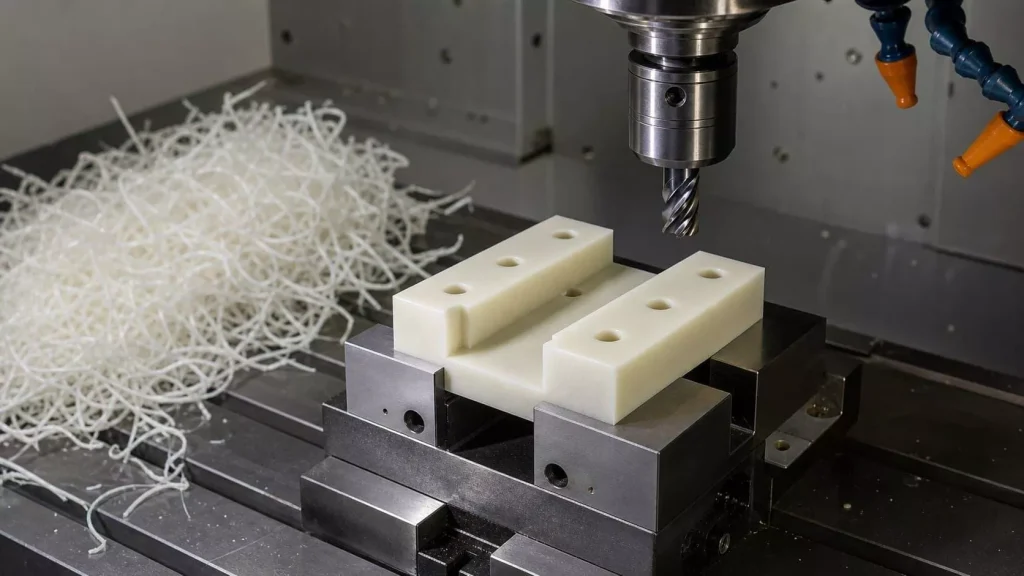
The Ultimate Guide to CNC Milling: Principles, Machinery, and Designing for Success

This guide explores the fundamentals of CNC milling, including how the process works, the differences between 3-axis to 5-axis machining, common machine types, cutting tools, and material selection. It also covers surface finishing methods, key DFM principles for reducing manufacturing costs, and emerging trends such as AI-driven CAM programming and automated lights-out manufacturing.

cnc turning service02
All Articles, CNC Turning

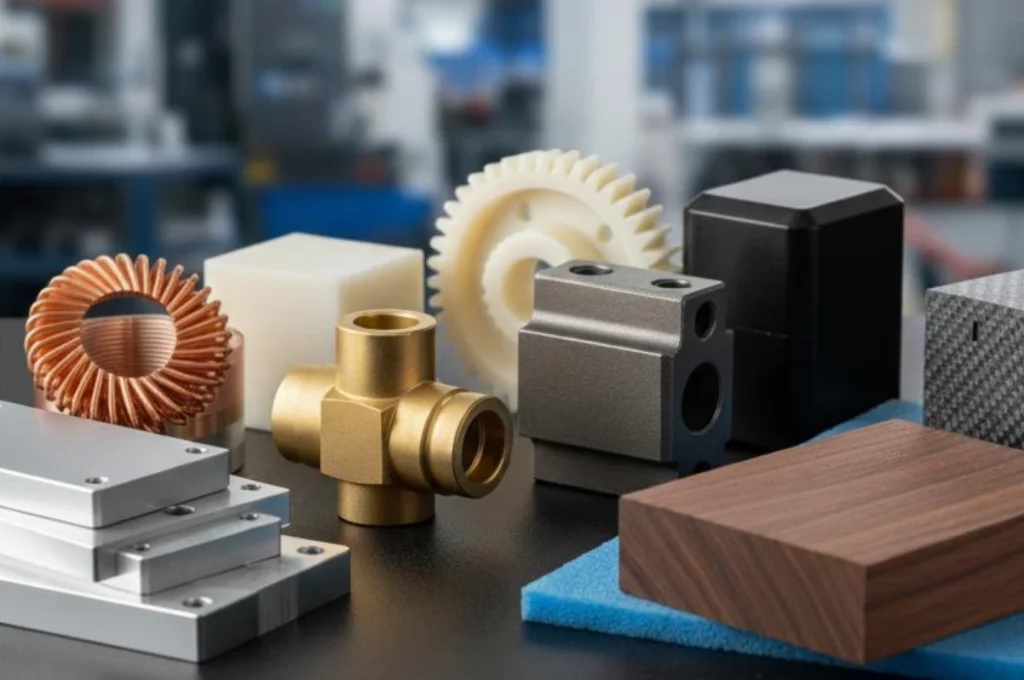
CNC Turning Explained: Process, Machines, Materials, Applications & Design Guide

CNC turning is a highly efficient machining process used to produce precision rotational parts by rotating the workpiece while a stationary cutting tool removes material. It is widely used for cylindrical components such as shafts, bushings, and connectors due to its high accuracy, fast cycle time, and excellent concentricity control.

The process includes operations like turning, boring, threading, and parting, and is compatible with materials such as aluminum, stainless steel, brass, carbon steel, and engineering plastics. Key factors affecting accuracy include spindle runout, tool deflection, thermal stability, and fixturing rigidity.

CNC turning is cost-efficient for high-volume production but requires careful design (DFM), especially for wall thickness, corner radii, and thread features. Compared to CNC milling, turning is more suitable for axisymmetric parts and offers better efficiency and consistency.

It remains a core manufacturing process across industries such as automotive, aerospace, medical, robotics, and fluid systems, and is evolving with automation, hybrid machining, and smart manufacturing technologies.

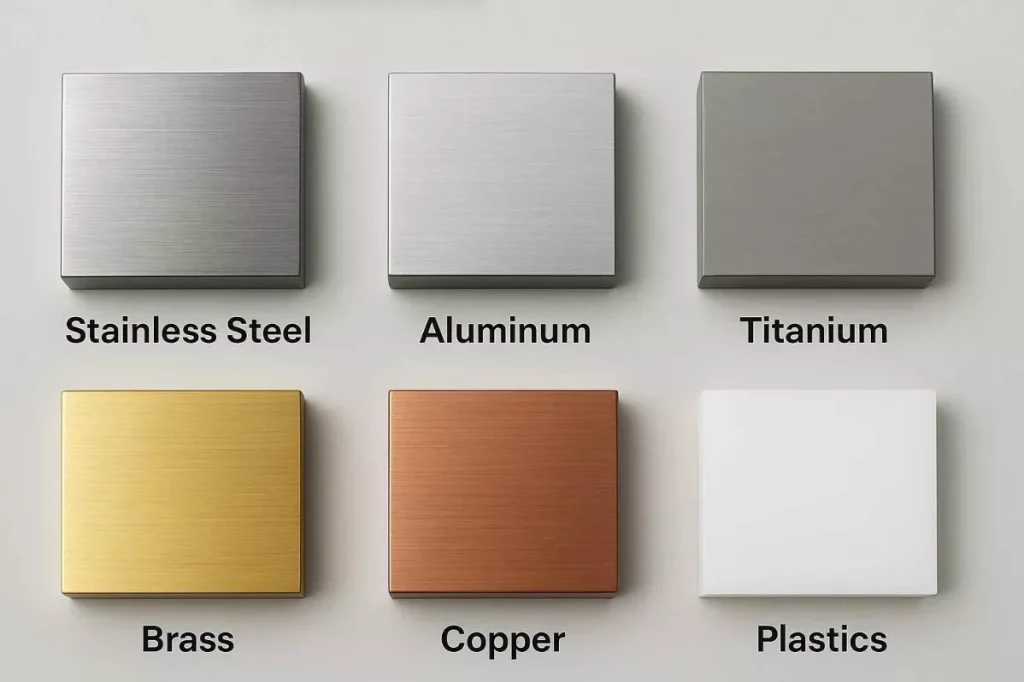
CNC Machining
All Articles, Manufacturing Knowledge

The Economics of Precision Manufacturing: Decoding the Cost Structure of CNC Machining

Why do CNC machining quotes for the same CAD file vary so significantly? This comprehensive guide decodes the hidden economics of precision manufacturing. We analyze the core cost drivers, including the exponential relationship between tolerance and price, the impact of high-aspect-ratio geometries on machining physics, and the “Buy-to-Fly” ratio of raw materials. Learn how to apply Design for Cost (DFC) principles to optimize your production budget and find the “Goldilocks Zone” where functional precision meets manufacturing efficiency.

Scroll to Top