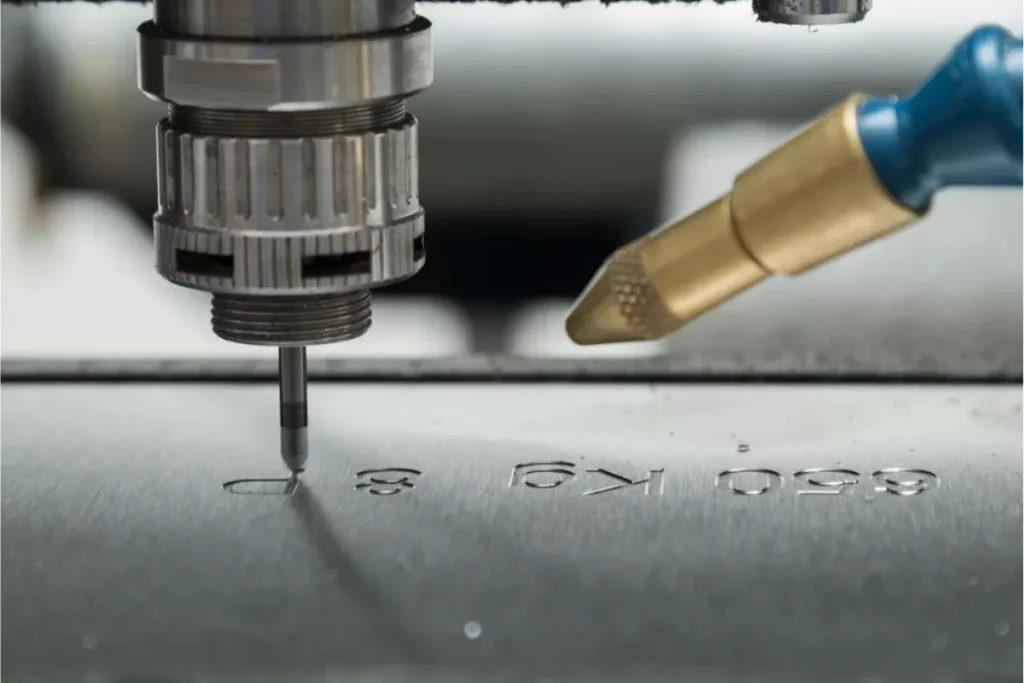
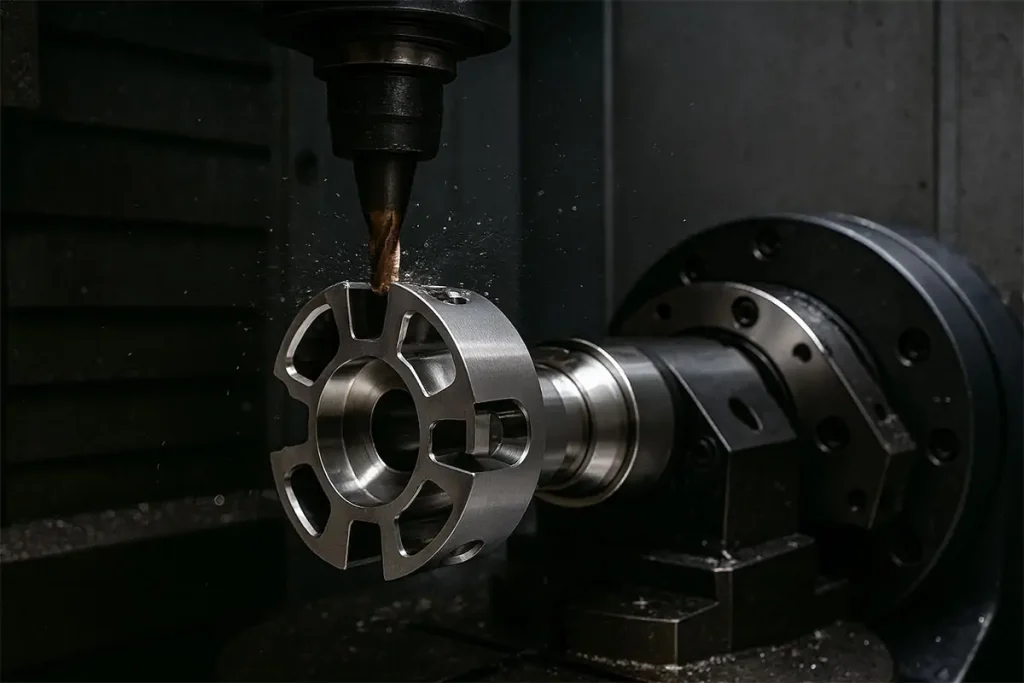
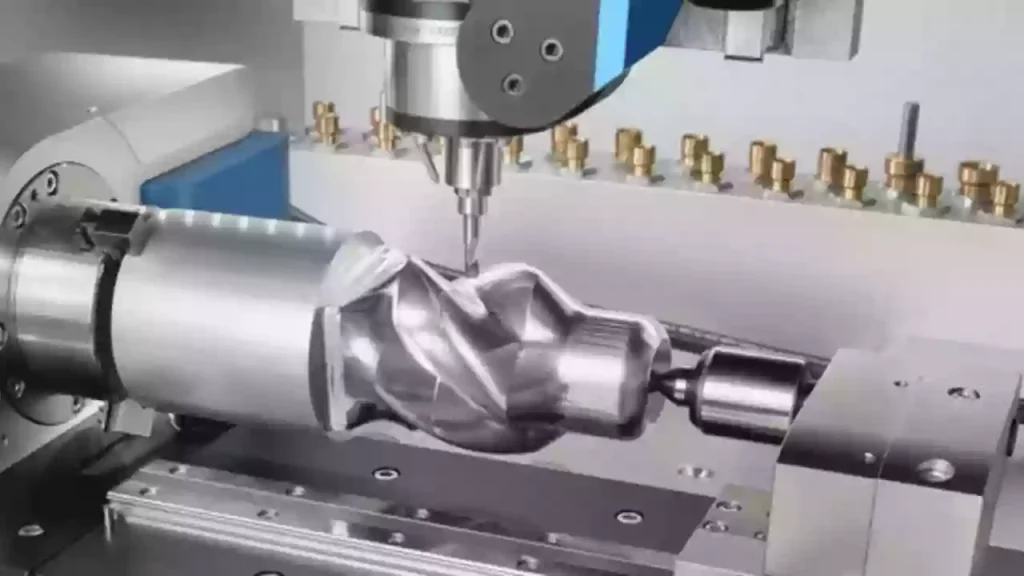
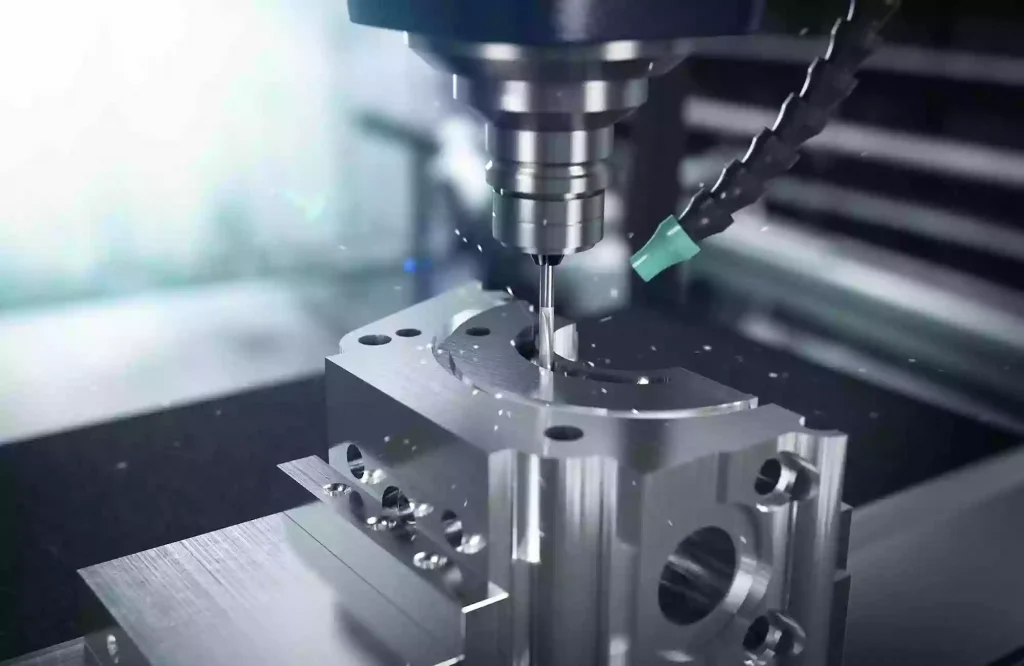
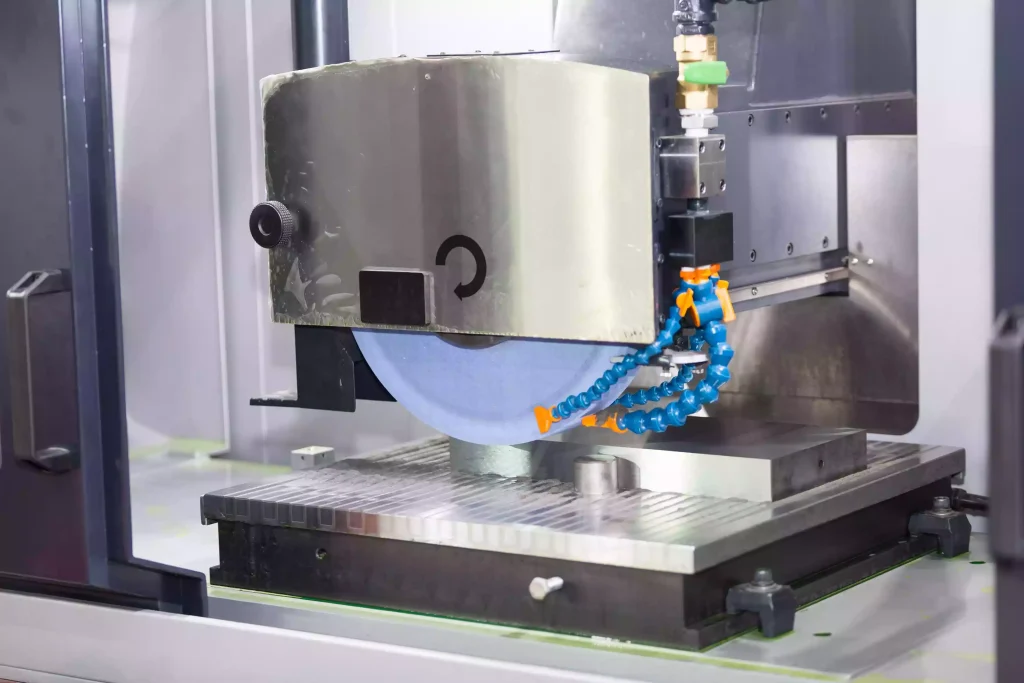
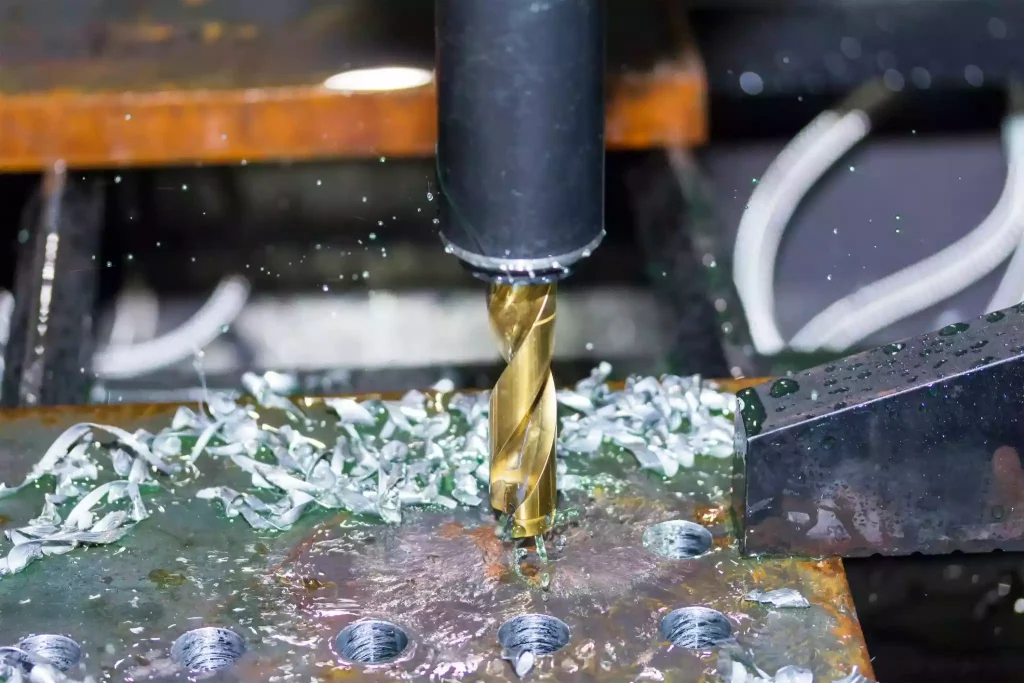
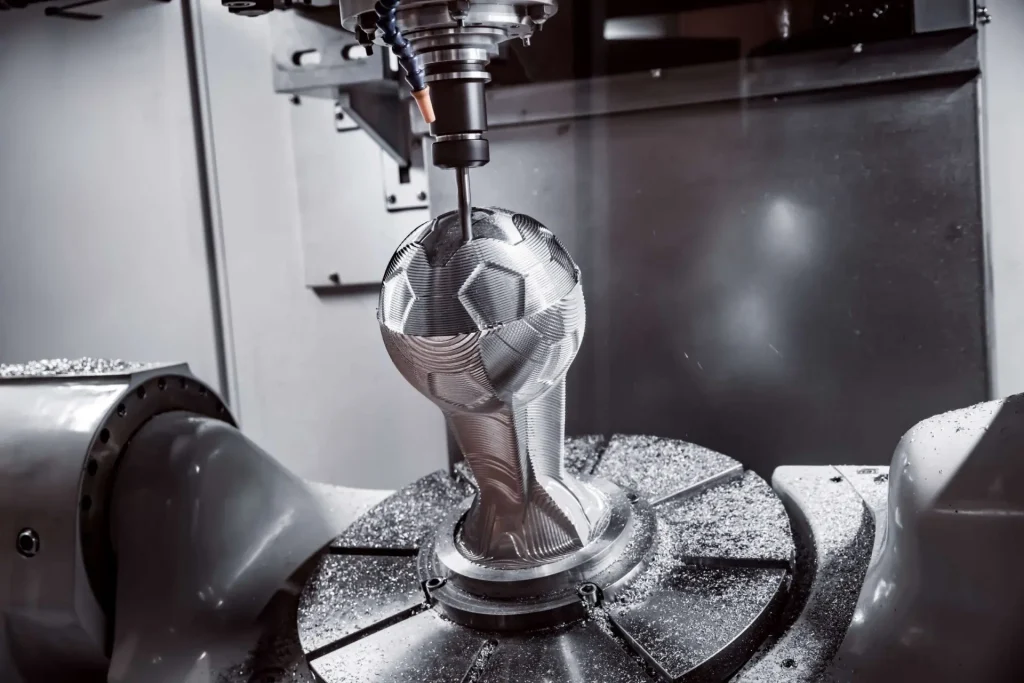
CNC drilling is a computer-controlled machining process used to create precise holes in various materials with high accuracy and repeatability. Compared to manual drilling, it eliminates human error and ensures consistent mass production through automated control of spindle speed, feed rate, and positioning via G-code.
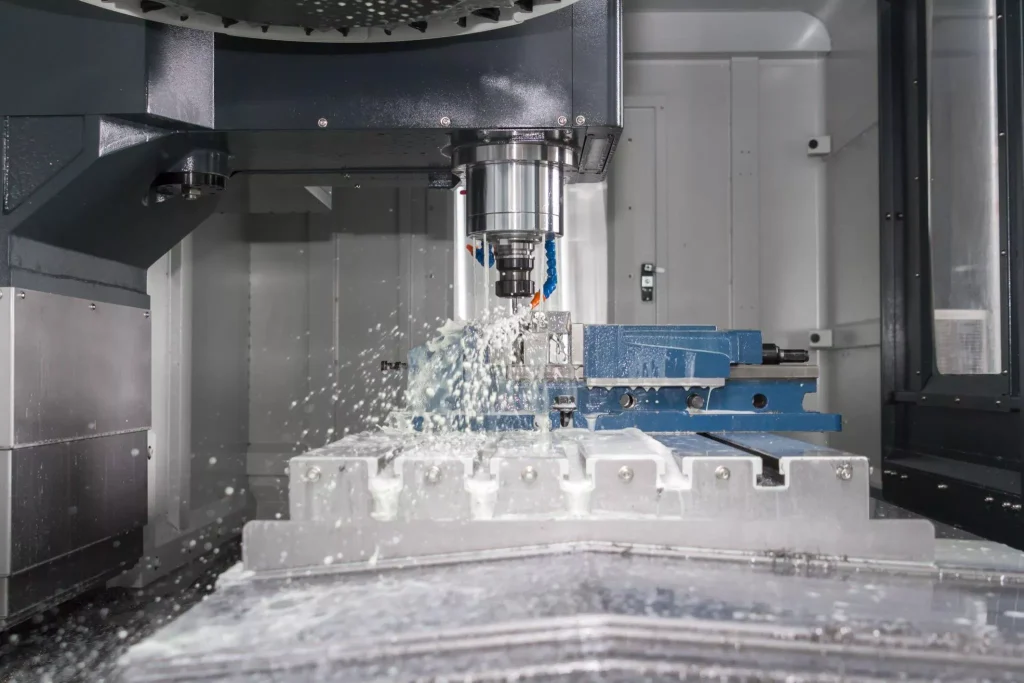
The process starts with a CAD design, which is converted into machine instructions through CAM software. The CNC machine then automatically performs drilling operations including positioning, cutting, cooling, and chip removal. Advanced operations such as spot drilling, peck drilling, counterboring, countersinking, reaming, and tapping can also be performed depending on the application.
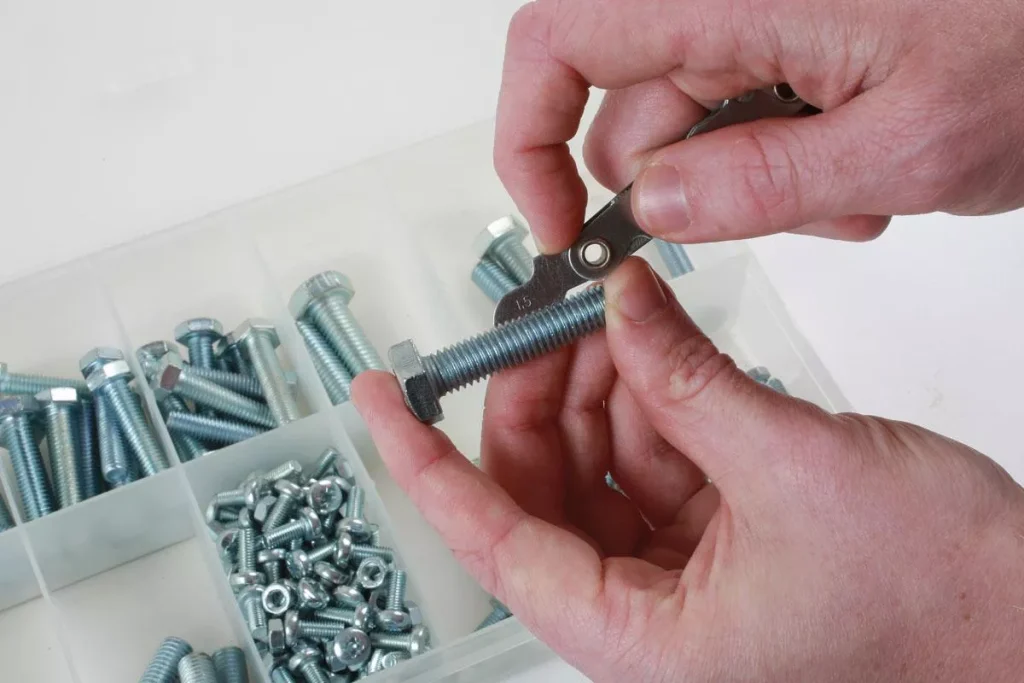
CNC drilling is widely used in aerospace, automotive, electronics, and medical industries for structural fastening holes, fluid channels, and PCB micro-holes. Key cost factors include material machinability, hole depth-to-diameter ratio, tolerance requirements, and production volume.
Design optimization (DFM) such as using standard hole sizes, limiting deep holes, and relaxing non-critical tolerances can significantly reduce manufacturing cost and improve efficiency.