Services
CNC Drilling
Xtmade offers customized CNC drilling services for precision hole arrays, deep-hole features, and complex components.
On Demand CNC Drilling Services
Xtmade provides on-demand CNC drilling services for engineers and product designers. We can create precise holes—including mounting holes, threaded holes, deep holes, and angled holes—across a wide range of materials, all based on your product drawings. Our CNC drilling capabilities meet the high-precision standards you require (with tolerances as tight as 0.0005 mm). We specialize in projects of all scales, integrating advanced machining techniques with your product concepts to deliver refined, efficient solutions. Please reach out to our team of experts to discuss the specific details of your project.
Precision CNC Drilling Services
As a professional custom supplier, Xtmade provides precision CNC drilling services. Utilizing 3-axis, 4-axis, and 5-axis CNC machining centers, as well as turn-mill composite equipment, we are capable of machining deep holes, micro-holes, dense hole arrays, and complex, multi-angle hole patterns. Through strategic tool selection, optimized cutting parameters, meticulous process planning, and CMM (Coordinate Measuring Machine) inspection, we ensure precise control over hole diameters, positional accuracy, and machining consistency—meeting the specific assembly and functional requirements of any component. Whether for a single prototype or full-scale batch production, we tailor our machining and inspection workflows to the unique needs of your project.
CNC Drilling Solutions for Your Requirements
Xtmade develops customized drilling solutions based on the structural and functional specifications outlined in your technical drawings. For precision assembly holes, we prioritize the control of bore dimensions and positional accuracy; for fluid and lubrication channels, we focus on channel connectivity, the elimination of burrs at intersections, and internal cleanliness. When addressing complex hole layouts across multiple curved surfaces, or working with challenging materials like titanium and superalloys, we overcome technical hurdles by carefully selecting the right tooling, fine-tuning cutting parameters, and optimizing the machining sequence. Furthermore, we structure our manufacturing and inspection workflows—from initial prototyping to full-scale production—to ensure that every component strictly adheres to your design specifications and functional assembly needs.
Knowledge
What is CNC Drilling?
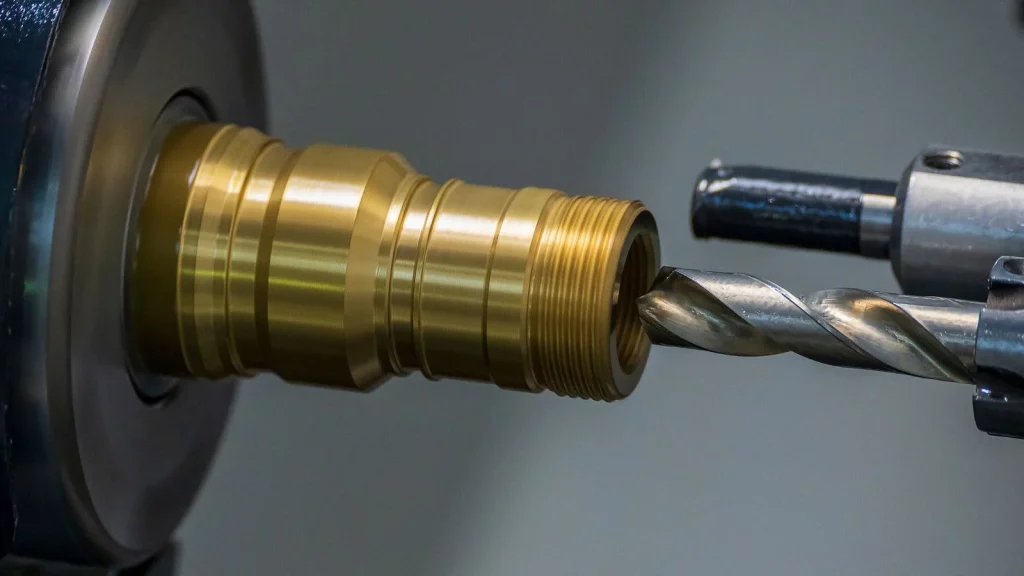
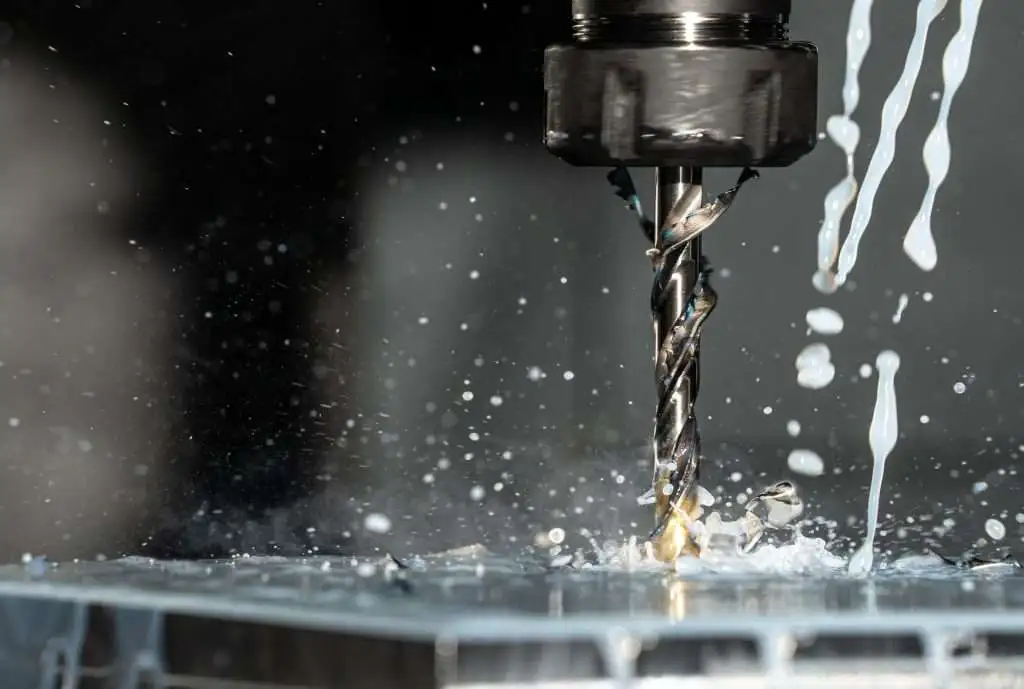
CNC drilling is a machining process that uses a rotating drill bit to create holes in a workpiece. As the drill bit cuts into the material, its cutting edges remove excess material, resulting in the desired hole. Our CNC drilling services can produce holes in metal or plastic parts based on customer-provided drawings, CAD files, or technical specifications. By selecting appropriate drill bits, configuring specific parameters, and planning the machining sequence, we can create a wide variety of hole types. Furthermore, we offer supplementary secondary operations, including boring, reaming, and tapping.
CNC Drilling Capabilities
Our CNC drilling capabilities span the full size spectrum, from miniature precision parts to large structural components. The geometric tolerances and surface quality achieved are determined by a combination of material properties, configuration complexity, the depth-to-diameter ratio of the holes, and the specific manufacturing processes employed.
Drilling & Machining Capabilities
- Drilling Processes:Conventional drilling, deep hole drilling, peck drilling, and spot drilling
- Hole Diameter Range:Ø0.5–50 mm
- Maximum Hole Depth:Up to 30 times the hole diameter, depending on machining conditions
- Standard Hole Diameter Tolerance:±0.05 mm
- Precision Hole Diameter Tolerance:Up to ±0.01 mm
- Hole Position Accuracy:Up to ±0.02 mm
Materials & Production Capabilities
- Surface Roughness:Ra 1.6–3.2 μm
- Materials:Aluminum, stainless steel, carbon steel, alloy steel, brass, copper, and plastics
- Secondary Operations:Reaming, tapping, chamfering, and countersinking
- Production Volume:Prototypes, small batches, and mass production
- Lead Time:Prototypes: 3–7 days; Production: 2–5 weeks
- Inspection & Packaging:Pin gauges, CMM inspection, visual inspection, protective packaging, labeled cartons, and wooden crates
Types
CNC Hole Drilling We Machined
Our CNC drilling processes produce holes with diverse geometries, depths, and orientations to meet the specific requirements of any given part. We support a wide range of drilling needs, including:
Through Holes
Blind Holes
Threaded Holes
Countersunk Holes
Locating Holes
Deep Holes
Cross Holes
Angled Holes
Stepped Holes
Challenge
Drilling Challenges & Engineering Solutions
The quality of a drilled hole depends on more than just the precision of the machine tool. Factors such as the condition of the cutting tool, cutting parameters, material properties, and the stability of the workpiece all influence the final quality of the hole. We address common machining challenges—and ensure both precision and consistency in hole production—by selecting appropriate cutting tools, designing effective workholding fixtures, adjusting cutting conditions, and optimizing process planning.
Our Engineering Solutions
Chip Evacuation & Heat Control
For deep holes and difficult-to-machine materials, we optimize drill geometry, feed parameters, and peck drilling cycles. Coolant delivery is selected to reduce chip buildup, heat accumulation, and premature tool wear.
Hole Position & Accuracy Control
We optimize workpiece referencing, clamping methods, and drilling sequences to minimize tool deflection and positioning errors, particularly when machining multiple holes across a component.
Burr Formation Control
We adjust cutting conditions according to material properties and hole geometry, then apply suitable deburring and chamfering operations to reduce burrs around hole openings and intersections.
Tool Wear & Dimensional Consistency
We monitor tool condition and establish appropriate inspection and replacement intervals. First-piece and in-process measurements help control hole diameter variations caused by tool wear.
Parts
CNC Drilled Parts We Machined
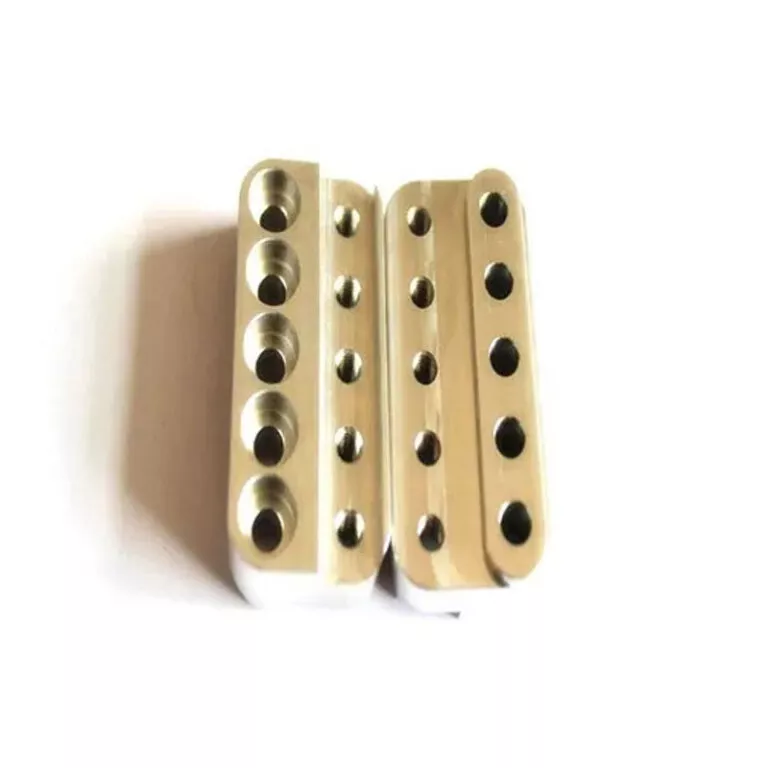
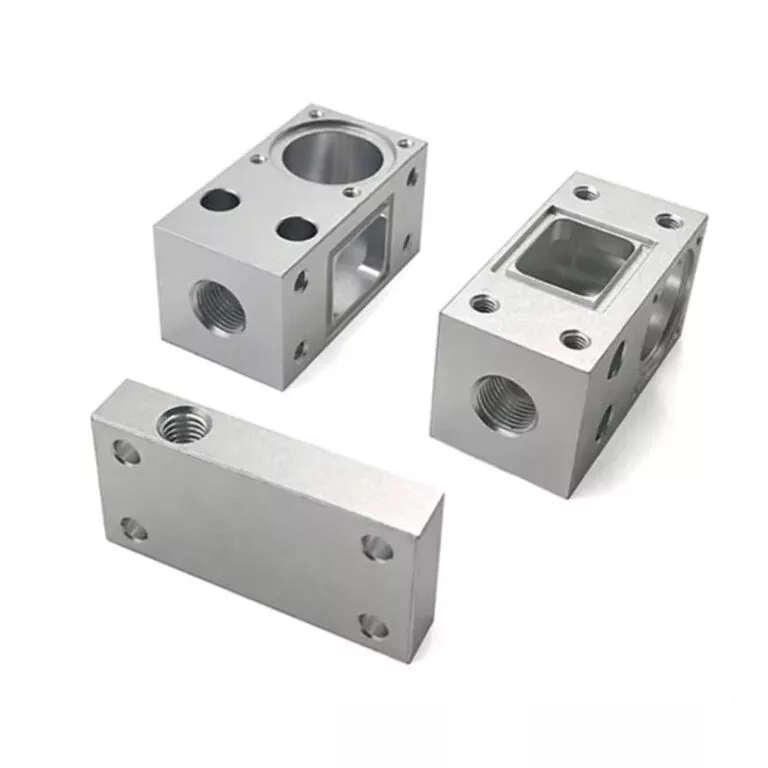
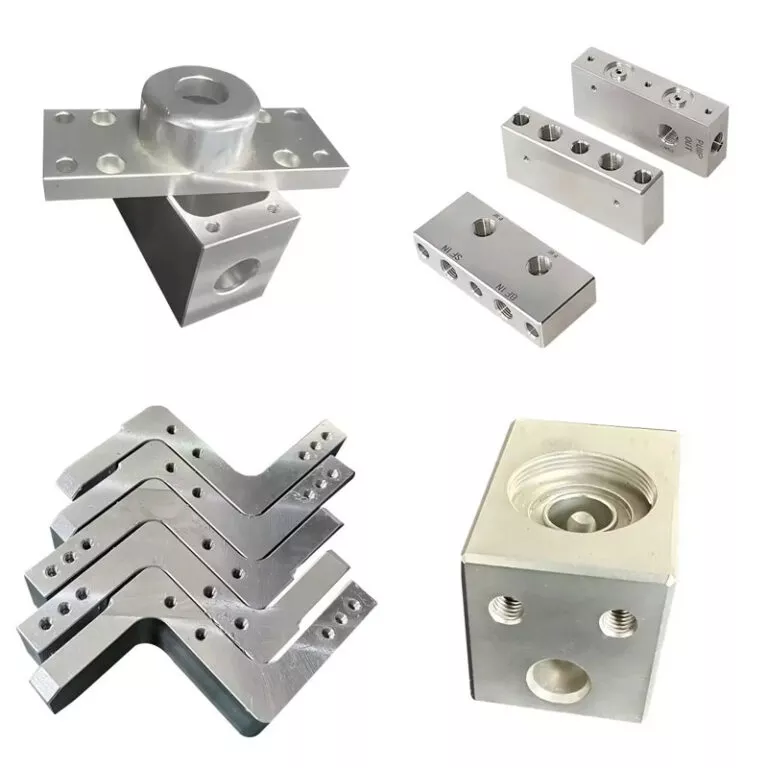
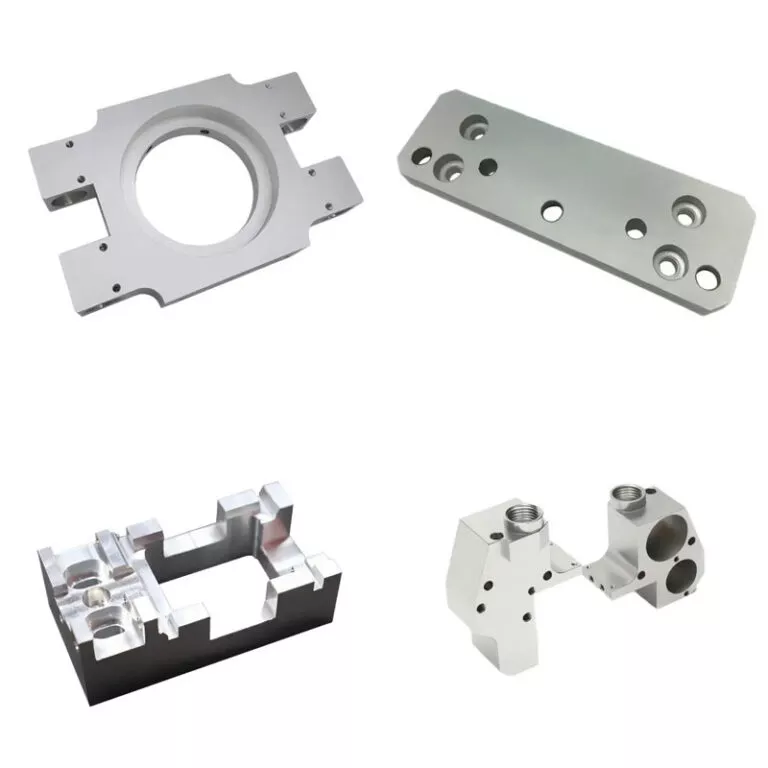
Our high-precision CNC drilling services cater to a wide range of components across various industries. Below are some typical examples of such parts:


Engineering Capabilities
Leveraging its engineering and manufacturing expertise, Xtmade ensures consistent quality for all holes. During the initial project phase, we conduct a comprehensive "Design for Manufacturability" (DFM) analysis—evaluating hole configurations, blind hole depths, thread specifications, and thin-walled structures—to identify potential manufacturing risks before production begins. Our CNC equipment is capable of handling a wide range of hole geometries; by optimizing tool selection, workpiece positioning, cutting parameters, and chip evacuation, our engineers effectively minimize drilling deviations, heat buildup, and the formation of burrs. Furthermore, we employ a variety of quality inspection tools and specialized bore-measuring instruments to rigorously verify critical hole diameters, depths, and positional tolerances against customer blueprints, ensuring that every batch of parts delivered meets the client's exact requirements.
Your Preferred CNC Drilling Manufacturer
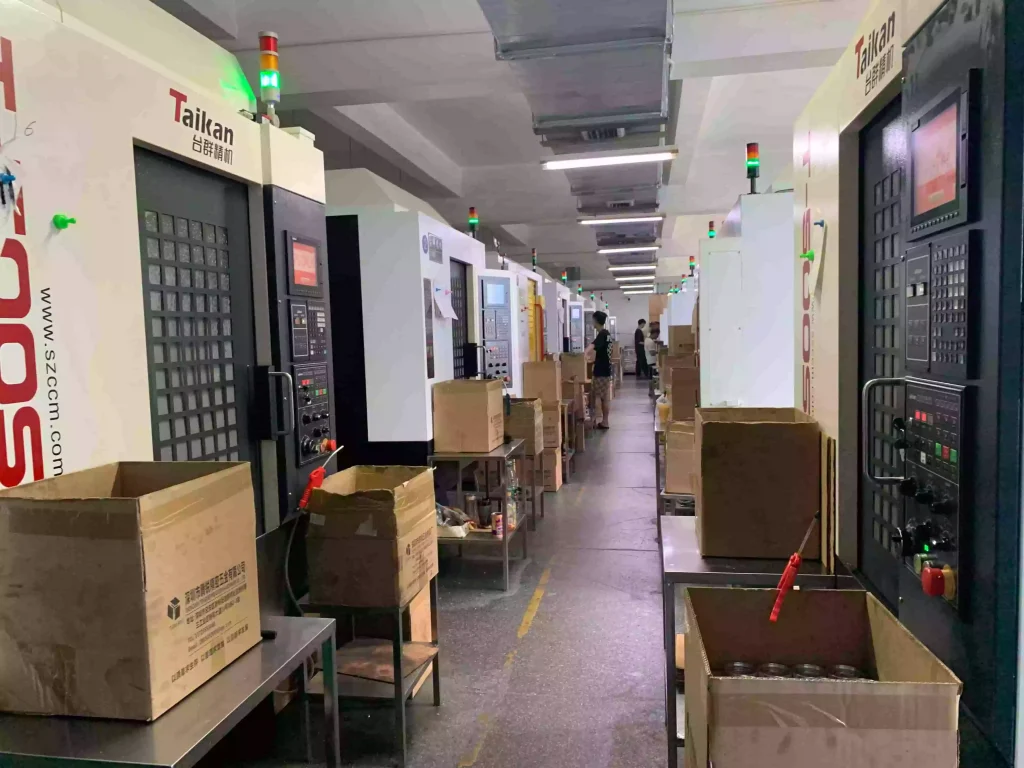
Xtmade is a custom drilling manufacturer based in Shenzhen, China. We have a modern 120,000-square-foot manufacturing facility equipped with various CNC machines, including CNC drilling machines, to meet the machining requirements of parts with different structures, sizes, and precision levels. Our employees have years of industry experience. Whether they are part of our team of 20+ engineers, machine operators, or quality inspectors, they all have professional knowledge and practical experience. Throughout production, our engineers, production technicians, and quality inspectors work together to ensure the smooth execution of CNC drilling projects. From single-piece prototypes to batch production, Xtmade arranges manufacturing and inspection processes according to customer project requirements. With a customer-focused service philosophy, we provide customized manufacturing support from engineering evaluation to finished-part delivery.
Types
Our Different CNC Drilling Services
We offer a full suite of CNC drilling services, selecting the optimal approach for each project to satisfy the specific demands of different industries. Regardless of the production scale or specifications, we ensure the delivery of high-quality components with exceptional precision.
Conventional Drilling
Deep Hole Drilling
Peck Drilling
Micro Drilling
Gun Drilling
Pillar Drilling
process
Our CNC Drilling Process
We follow a controlled CNC drilling process to ensure that the dimensions, positioning, and geometry of the holes meet your specifications. The specific steps are as follows:
01. Engineering Review & Setup
02. Workpiece Setup
03. Precision Hole Machining
04. Post-Processing
05. Dimensional Inspection & Delivery
From Prototyping to Mass Production
Our one-stop CNC drilling service covers the entire manufacturing lifecycle—from the creation of single prototypes to large-scale production. Regardless of order size, we consistently adhere to rigorous process standards, ensuring that the quality of our deliverables remains at a high level.
Rapid Prototyping
Low-Volume Production
Mass Production
Advanced CNC Drilling Equipment
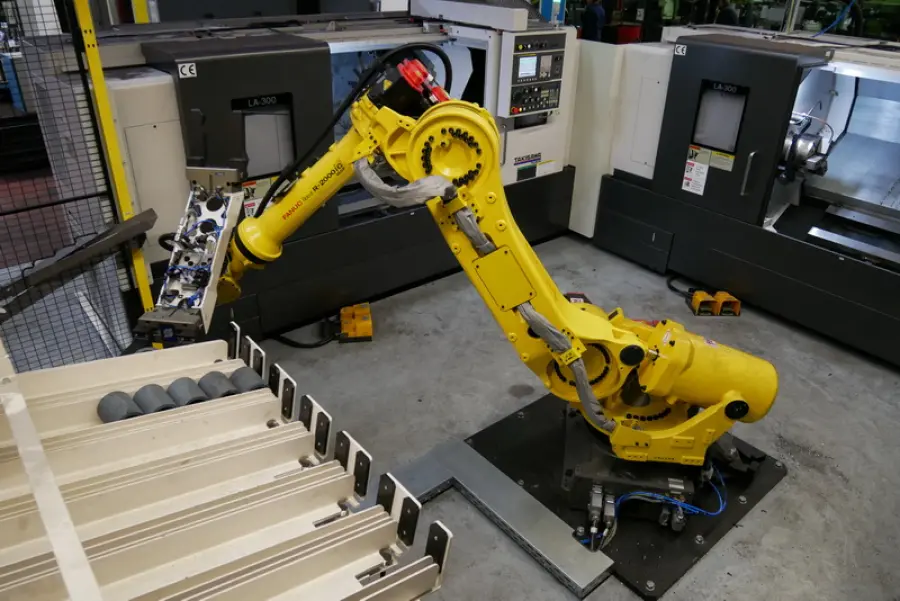
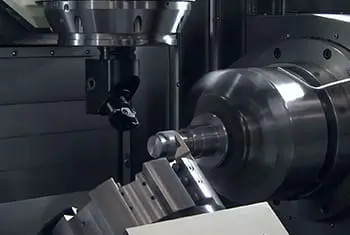
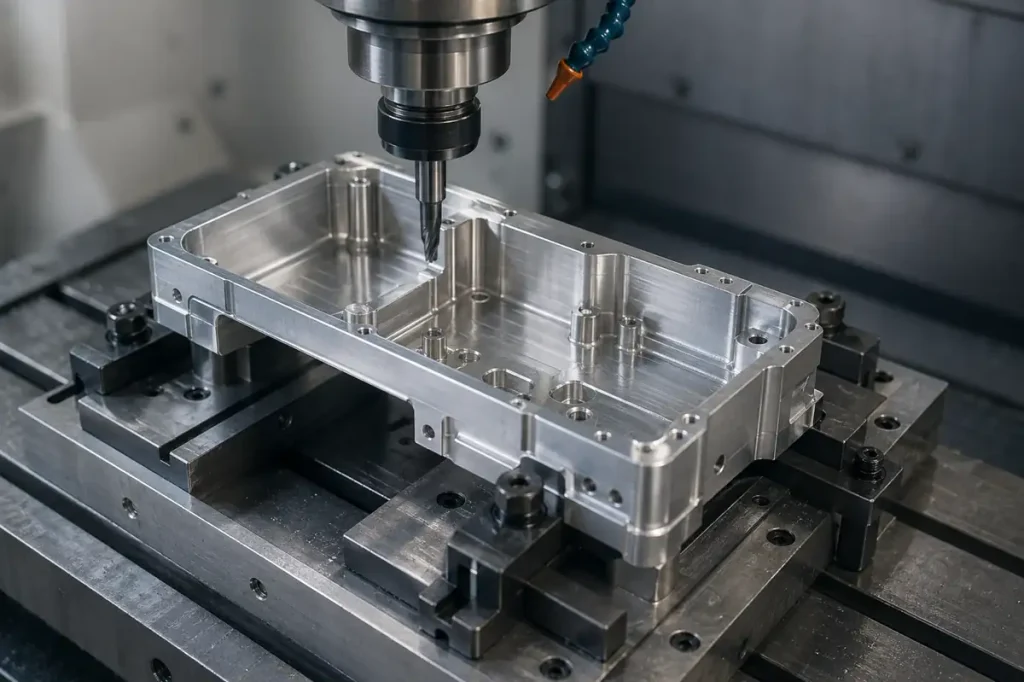
To meet the machining requirements of different component structures, complex hole layouts, and production volumes, our CNC drilling shop is equipped with a modern range of machining equipment, including 3-axis, 4-axis, and 5-axis CNC drilling centers, as well as CNC turn-mill equipment. For holes distributed across different surfaces or at complex angles, 4-axis and 5-axis driiling machines support multi-angle machining with fewer setups, helping reduce positioning errors and maintain hole location accuracy. 3-axis driiling centers are used for conventional drilling on flat surfaces and dense hole patterns. For complex components requiring turning, axial or radial drilling, and milling, our turn-mill equipment combines multiple machining operations to reduce workpiece transfers and improve production efficiency. Through regular equipment maintenance and accuracy checks, we support consistent manufacturing from single-piece prototypes to batch production, with a focus on meeting specified dimensional and assembly requirements.
Quality Assurance & Inspection Standards
The geometric accuracy and positional precision of every hole directly affect final assembly performance. We have established a comprehensive quality management system covering IQC, IPQC, FAI, OQC, SPC, and CAPA. Supported by our in-house coordinate measuring machine (CMM), we conduct rigorous dimensional verification and inspection of machined features.
Hole Diameter & Geometric Feature Inspection
Control Standards: Through holes and blind holes are inspected according to applicable ISO 2768 general tolerances. Countersunk and counterbored holes are carefully checked for included angles and depths. High-precision H7 fit holes are achieved through precision boring or honing.
Inspection Methods: CMMs, precision pin gauges, and air gauges are used for 100% dimensional and geometric tolerance verification.
Positional Accuracy & Concentricity Control
Control Standards: True position and critical concentricity of locating pin holes are controlled to ±0.005 mm; positional accuracy of 5-axis machined hole features is maintained within ±0.01 mm; micro-hole accuracy on small components (less than 10 mm) reaches ±0.003 mm.
Inspection Methods: CMM measurements verify datum surfaces and deviations in hole-axis coordinates to ensure assembly alignment and repeatable fixture positioning.
Cross-Hole & Runout Inspection for Turned Components
Control Standards: We verify the concentricity and runout of center holes and eccentric cross holes located on outer diameters (OD) and end faces.
Inspection Methods: Taking advantage of the single-setup machining capability of turn-mill equipment, we use the turning datum as a common reference for runout and positional inspection, minimizing errors associated with secondary positioning.
Inspection Documentation & Quality Traceability
Our factory’s quality management system follows the requirements of ISO 9001, AS9100D, and ISO 13485 standards.
Materials
Materials for CNC Drilling
Xtmade provides precision CNC drilling services for a wide range of metals and engineering plastics. As different materials possess distinct properties and machining characteristics, our engineers leverage their professional expertise and extensive experience to optimize the drilling process. For each specific material—whether metal or engineering plastic—we select the ideal tool material (such as cemented carbide or diamond-coated tools), define the optimal point angle geometry, implement high-pressure cooling strategies, and calibrate precise cutting parameters. This ensures consistent dimensional tolerances and superior surface quality across all material types.
Metal
Aluminum
Stainless Steel
Carbon Steel
Copper
Brass
Titanium
Engineering Plastics
PEEK
POM
Nylon
ABS
PC
PE
Finishing
Finishing Options
We offers a variety of secondary processing and surface treatment solutions to meet the functional, dimensional, and aesthetic requirements of drilled parts.
Deburring
Bead Blasting
Anodizing
Electroless Nickel Plating
Electroplating
Passivation
Powder Coating
Painting
Painting
Polishing
Chromate Conversion Coating
PVD Coating
CNC Drilling Applications
Xtmade provides precision CNC drilling for a wide range of machined components. From precision mounting structures to fluid-handling components, we manufacture parts with drilled features according to customer drawings, material specifications, and functional requirements.
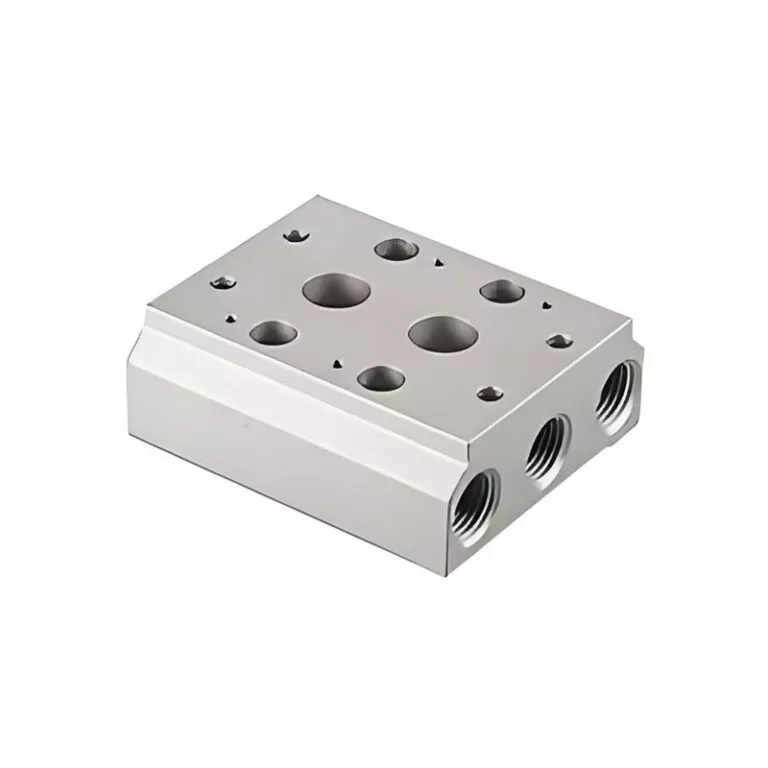
- Hydraulic Manifold Blocks – Fluid passages and connection ports.
- Mounting Plates & Flanges – Mounting and fastening holes.
- Precision Housings – Component mounting and cable routing features.
- Shafts & Rotating Components – Axial and radial holes for lubrication and assembly.
- Cooling Plates & Heat Sinks – Cooling passages and mounting features.
- Structural Components – Connection and positioning holes for assembly.
Why Choose Us
How to Place an Order
01. Submit Your RFQ
Send us your drawings, CAD files, and project requirements.
02. Engineering Review
We review your specifications, materials, and machining requirements.
03. Receive a Quote
Get a quotation with pricing and estimated lead time.
04. Production & Inspection
We manufacture and inspect your parts according to your requirements.
05. Delivery
Your finished parts are packaged and shipped.
Have a Drilling Project?
Send us your engineering drawings, CAD files and project requirements. Our team will review your specifications and provide manufacturing feedback and a quotation.
FAQ
What Types of Holes Can Xtmade Machine?
Xtmade provides CNC drilling for through holes, blind holes, threaded holes, countersinks, counterbores, stepped holes, cross holes, and angled holes. Using 3-axis, 4-axis, and 5-axis CNC machining centers, we can machine hole features across different surfaces and orientations according to customer drawings and specifications.Lorem ipsum dolor sit amet, consectetur adipiscing elit. Ut elit tellus, luctus nec ullamcorper mattis, pulvinar dapibus leo.
How Accurate Is Xtmade's CNC Drilling Service?
Hole accuracy depends on the material, hole diameter, depth, tooling, and machining conditions. Xtmade evaluates these factors during the engineering review and selects suitable drilling and finishing processes to meet drawing requirements. For critical hole dimensions and positional requirements, we use CMMs and appropriate measuring instruments for dimensional verification.
Can Xtmade Machine Deep Holes and Complex Hole Patterns?
Yes. Our 3-axis, 4-axis, and 5-axis CNC machining centers support a range of hole configurations, including deep holes, angled holes, and multi-surface hole patterns. During process planning, we evaluate the hole depth-to-diameter ratio, tool accessibility, workpiece positioning, and chip evacuation requirements to determine an appropriate machining strategy.
What Is the Difference Between Drilling, Reaming, and Boring?
Drilling creates an initial hole in solid material, while reaming improves the dimensional accuracy and surface finish of an existing hole. Boring enlarges and refines an existing hole, offering greater control over its diameter and alignment. At Xtmade, these operations can be incorporated into the machining plan when a part requires tighter hole tolerances or specific internal geometry.
How Does Xtmade Ensure Hole Position and Dimensional Accuracy?
We review drawing datums, hole coordinates, tolerances, and workpiece clamping requirements before machining. For holes distributed across multiple surfaces, 4-axis and 5-axis machining can reduce repeated setups and help maintain positional consistency. During inspection, CMMs and suitable gauges are used to verify critical hole diameters, depths, and positional requirements against the drawing.
What Information Is Needed for a CNC Drilling Quote?
To evaluate your project, please provide 2D drawings, 3D CAD files, or sample parts, along with material specifications, required quantities, tolerances, surface finish requirements, and expected delivery dates. Our engineering team reviews the hole features, machining accessibility, and inspection requirements before preparing a suitable manufacturing plan and quotation.
Does Xtmade Provide Additional Finishing After CNC Drilling?
Yes. Depending on the drawing and application requirements, additional operations can be included in the manufacturing process. These may include reaming, boring, tapping, countersinking, deburring, and specified surface treatments. We review the required features and finishing specifications before confirming the production process.
Latest News
Machining Processes for Complex,…
Machining Processes for Complex, High-Precision Aluminum Alloy Thin-Walled Parts Aluminum alloy thin-walled components are widely used in aerospace and advanced…
303 vs. 304 vs.…
303 vs. 304 vs. 316 Stainless Steel: Which Is Best for CNC Machining? Stainless steel is widely used in CNC-machined…
What Is the Easiest…
What Is the Easiest Material to Machine with CNC? When choosing a material for CNC machining, machinability directly affects cutting…