6061 vs 7075 vs 2024 Aluminum CNC Machining: Key Differences
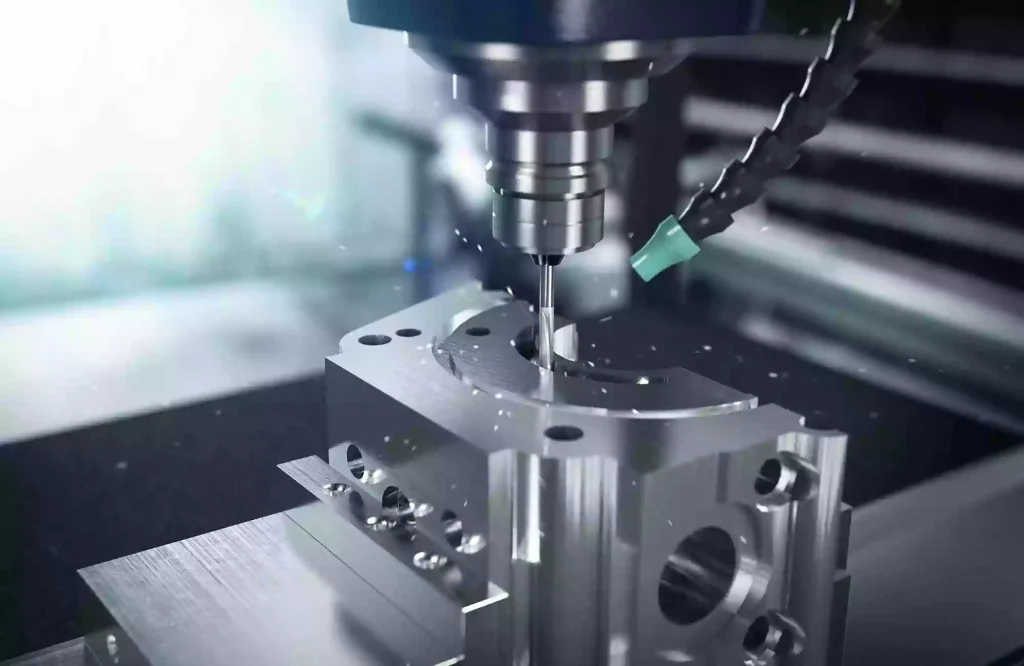
Choosing between 6061, 7075, and 2024 aluminum affects more than the strength of a CNC machined component. The alloy also influences machining behavior, dimensional stability, corrosion protection, surface finishing, and overall production cost.
6061 is widely used for general-purpose CNC machined parts because it offers a practical balance of strength, machinability, corrosion resistance, and cost. 7075 is often selected for components requiring higher strength without a significant increase in weight. 2024 is commonly associated with aerospace structures and applications where fatigue performance is an important design consideration.
For engineers and procurement teams, the challenge is to select a material that meets the component’s actual requirements without paying for properties the design does not need. Understanding how these alloys differ helps establish the right material specification before machining begins.
6061 vs 7075 vs 2024 Aluminum Properties Comparison
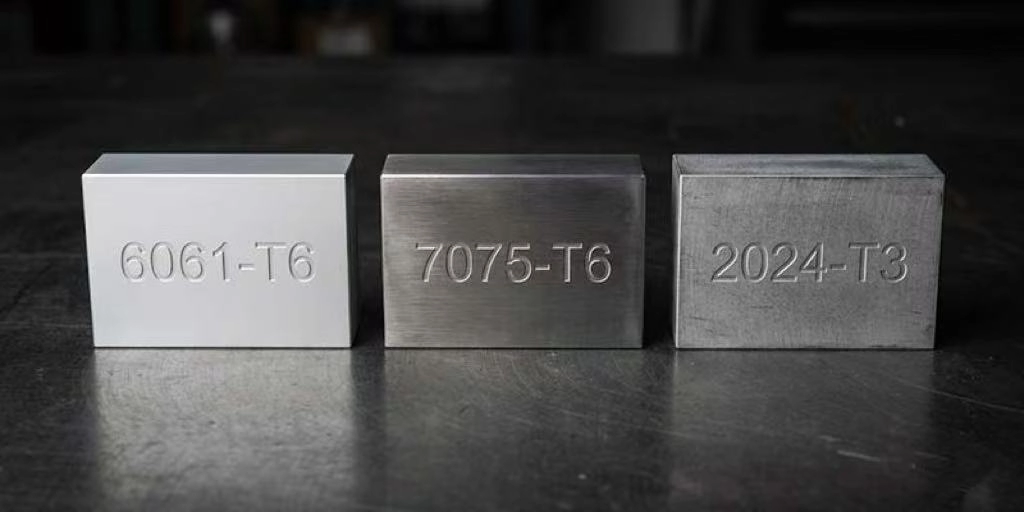
The three alloys belong to different aluminum alloy families, and their properties reflect different combinations of alloying elements and heat treatments.
| Property | 6061-T6 | 7075-T651 | 2024-T3 |
| Main alloying elements | Magnesium, silicon | Zinc, magnesium, copper | Copper, magnesium |
| Typical tensile strength | Approximately 310 MPa | Approximately 572 MPa | Approximately 470 MPa |
| Typical yield strength | Approximately 276 MPa | Approximately 503 MPa | Approximately 324 MPa |
| Density | Approximately 2.70 g/cm³ | Approximately 2.81 g/cm³ | Approximately 2.78 g/cm³ |
| Machinability | Good | Good to very good | Good to very good |
| Corrosion resistance | Generally good | Lower than 6061 | Relatively limited without protection |
| Weldability | Generally good with suitable procedures | Generally poor for fusion welding | Generally poor for fusion welding |
| Anodizing | Commonly used for decorative and protective finishes | Suitable for selected finishes | Requires careful process selection |
| Relative material cost | Usually lower | Usually higher | Depends on form and specification |
| Typical applications | Housings, brackets, fixtures, machinery components | High-strength structures, aerospace components, tooling | Fatigue-sensitive structures, aerospace components |
Note: Mechanical properties are representative reference values, not guaranteed minimums. Actual values depend on product form, thickness, temper, and the applicable material specification. The three tempers shown are not equivalent heat-treatment conditions, so the table is intended as a practical comparison rather than a controlled material test.
The main distinction is straightforward: 7075-T651 generally provides the highest strength of these three representative conditions. 6061 offers a more balanced combination of properties, while 2024 is particularly relevant when its specified mechanical and fatigue characteristics suit the application.
However, tensile strength alone does not determine whether an alloy is suitable for a CNC machined component. Corrosion exposure, fatigue loading, stiffness, manufacturing complexity, and finishing requirements must also be considered.
6061 Aluminum CNC Machining
6061 is one of the most widely used aluminum alloys for custom CNC machining. It combines moderate-to-high strength with good general corrosion resistance, good machinability, and broad availability.
The alloy’s magnesium and silicon content allows it to respond to precipitation hardening. In the T6 condition, it provides a useful balance of mechanical performance and manufacturing practicality for many industrial components.
Machining Characteristics of 6061 Aluminum
6061 is suitable for CNC milling, turning, drilling, tapping, boring, and pocket machining. It is commonly used for components with multiple holes, mounting surfaces, threaded features, and machined contours.
Its machining behavior is generally predictable, but tool geometry and cutting conditions still matter. Aluminum can adhere to cutting edges under unsuitable conditions, contributing to built-up edge, poor surface finish, or inconsistent chip evacuation. Appropriate tooling, sharp cutting edges, and effective chip removal help maintain stable machining.
For production parts, 6061 often provides a good balance between cycle time, tool consumption, and finished surface quality. Nevertheless, actual machining performance depends on the machine, toolpath, stock condition, and part geometry rather than the alloy designation alone.
Dimensional Stability and Surface Finishing
6061 can be used for precision components, including housings, plates, brackets, and fixtures. However, large material-removal ratios or thin-wall features can create dimensional challenges.
A thick plate machined into a lightweight enclosure may release residual stress as material is removed. Clamping forces and cutting heat can also affect the final geometry. For critical components, the manufacturing sequence may need to separate roughing and finishing operations and include dimensional checks between stages.
6061 is also commonly selected for anodized components. It generally offers good suitability for decorative and protective anodizing, making it useful for electronic enclosures, instrument panels, equipment housings, and visible mechanical components.
Typical Applications of 6061 CNC Machined Parts
6061 is a practical starting point for:
- Electronic and industrial equipment housings
- Mounting brackets and structural plates
- Automation fixtures and tooling
- Manifolds and mechanical enclosures
- General-purpose machine components
It is particularly attractive when the component needs good corrosion resistance and a reasonable balance between performance and cost, rather than the highest possible strength.
7075 Aluminum CNC Machining
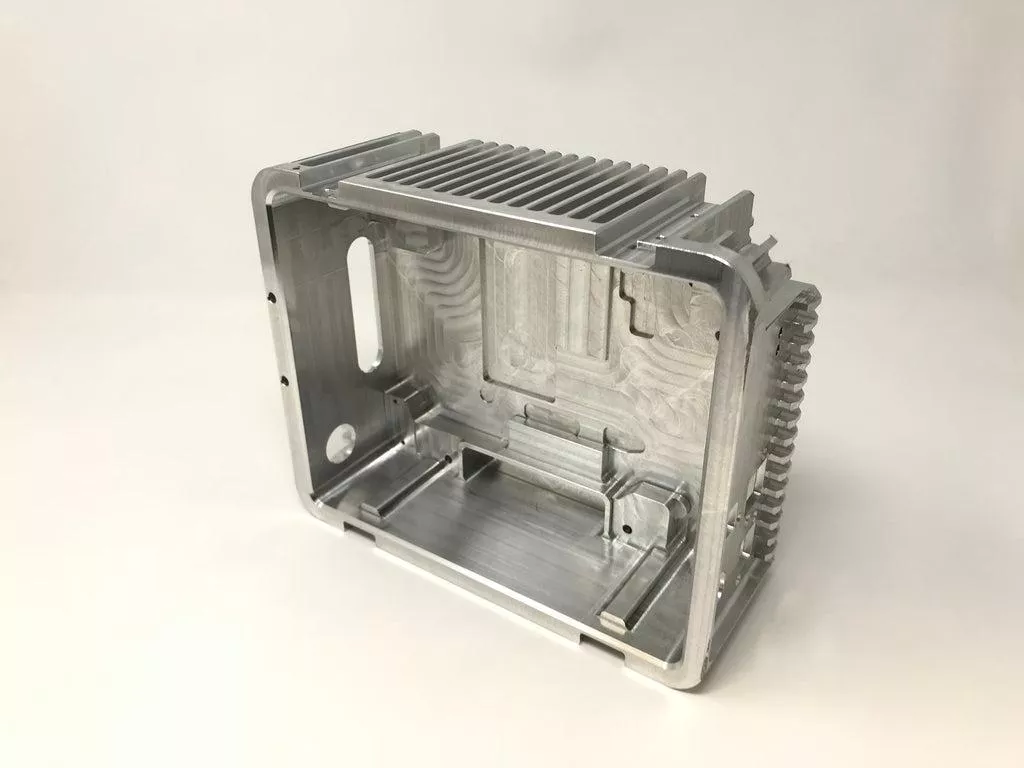
7075 is a high-strength aluminum alloy containing zinc, magnesium, and copper. It is widely used in aerospace and other demanding applications where reducing component weight while maintaining high strength is important.
In common high-strength tempers such as T6 and T651, 7075 can substantially outperform 6061-T6 in tensile and yield strength. This makes it suitable for structural components that must carry significant loads within a restricted design envelope.
Why 7075 Is Used for High-Strength Components
A component made from 7075 may meet a strength requirement that would otherwise require a larger cross-section in a lower-strength alloy. This can be valuable in lightweight structures, precision fixtures, and high-load brackets.
However, higher strength does not automatically mean greater stiffness. The elastic moduli of 6061, 7075, and 2024 are relatively similar. If a component bends excessively under load, changing the geometry, wall thickness, or support arrangement may be more effective than simply switching to 7075.
The material should therefore be selected based on the actual design requirements, not strength rankings alone.
Machining Challenges of 7075 Aluminum
7075 is generally well suited to CNC milling and other machining operations. Its high strength does not necessarily make it more difficult to cut than 6061 in every situation.
The greater challenge often lies in controlling the finished geometry. Thin walls, deep pockets, and asymmetric material removal can cause distortion, particularly when the stock contains residual stress. The T651 condition is stress-relieved by stretching and is commonly used for plate products where dimensional stability is important, although it does not eliminate all machining distortion.
For precision components, process planning should consider stock selection, workholding, material-removal sequence, tool condition, and inspection requirements.
Corrosion Resistance and Finishing
7075 generally offers lower corrosion resistance than 6061. Depending on the environment, protective anodizing, conversion coatings, primers, or other finishing systems may be required.
The selected temper also matters. T6 and T651 conditions provide high strength, while overaged conditions such as T73 are often considered where improved resistance to stress-corrosion cracking is needed. The trade-off is reduced strength compared with peak-strength conditions.
7075 is also generally unsuitable for conventional fusion-welded assemblies. If welding is part of the design, the joining method and material specification should be reviewed before production.
Typical Applications of 7075 CNC Machined Parts
Common applications include:
- High-strength structural brackets
- Aerospace structural components
- Precision tooling and fixtures
- Lightweight mechanical fittings
- Components requiring high strength within a limited space
7075 is most useful when its additional strength serves a defined engineering purpose. For components that do not require that strength, 6061 may offer a more economical solution.
2024 Aluminum CNC Machining
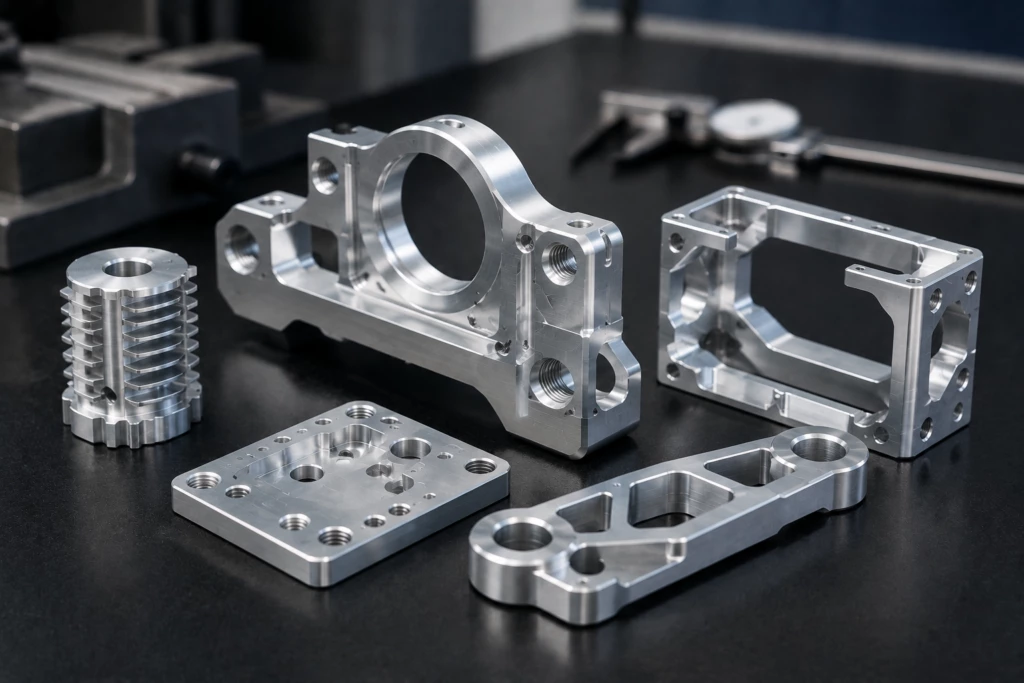
2024 is an aluminum-copper alloy commonly associated with aerospace structures and applications where strength and fatigue performance are important.
Its suitability depends on the specified temper, product form, and design requirements. For fatigue-sensitive parts, the relevant engineering data must reflect the expected loading conditions rather than relying on a general alloy ranking.
Machining Characteristics of 2024 Aluminum
2024 is generally machinable using CNC milling, drilling, turning, and other conventional metal-cutting processes. Tool selection, chip evacuation, and workholding should be adapted to the component geometry and required finish.
As with 6061 and 7075, thin-wall parts and components with extensive material removal require attention to residual stress and dimensional stability. The machining sequence can influence whether a finished component retains its required shape after unclamping.
The key distinction is not that 2024 is universally easier or harder to machine than the other alloys. Its value lies in meeting particular mechanical and application requirements while accounting for its limitations in corrosion protection and joining.
Fatigue Performance and Structural Applications
2024 is widely used in fatigue-sensitive aerospace applications. However, fatigue resistance depends on much more than the alloy designation.
Stress range, loading cycles, surface finish, holes, notches, residual stress, corrosion, and material condition can all affect fatigue life. A component that performs well under one loading condition may not provide the same service life under another.
When a drawing specifies 2024, the required temper and product form should be preserved unless an engineering review authorizes a change. Material substitutions can affect structural performance and compliance with the original design specification.
Corrosion Protection and Surface Finishing
Compared with 6061, 2024 generally requires more attention to corrosion protection. Its copper content contributes to its mechanical properties but also makes the alloy more susceptible to certain corrosion mechanisms.
Protective coatings or suitable anodizing processes may be required depending on the operating environment and governing specification. Clad 2024 products are also available for some applications, using a surface layer to improve corrosion protection.
Conventional fusion welding is generally not a preferred joining method for 2024. If the finished component requires welded assembly, the material and joining requirements should be evaluated together.
Typical Applications of 2024 CNC Machined Parts
2024 may be specified for:
- Aerospace structural components
- Fatigue-sensitive mechanical structures
- Aircraft fittings and brackets
- Components designed around particular aerospace material specifications
For general-purpose housings or corrosion-exposed parts without specific requirements for 2024, 6061 may be a more practical choice. Where higher strength is the primary requirement, 7075 may deserve closer consideration.
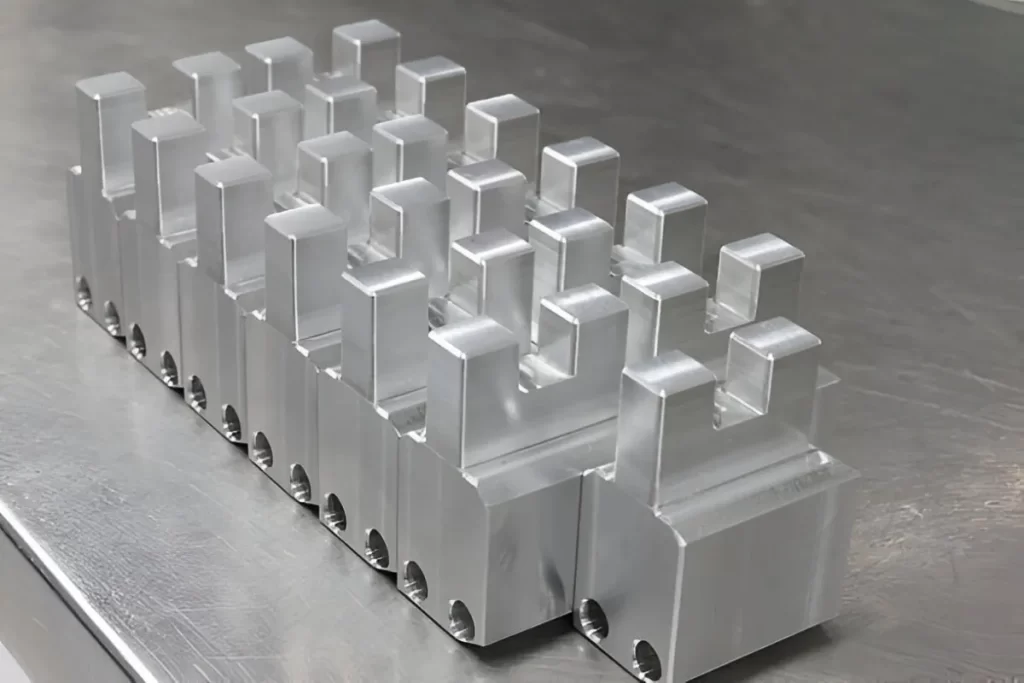
CNC Machining Differences Between 6061, 7075, and 2024 Aluminum
The three alloys can all be machined into precision components, but their differences influence process planning, finishing, and total manufacturing cost.
Machinability and Cutting Performance
6061 is widely used because it offers a good balance of machinability, availability, and cost. Under unsuitable cutting conditions, its relatively gummy chips can adhere to the cutting edge, affecting finish and chip evacuation.
7075 and 2024 are also generally considered machinable alloys. Their actual cutting performance depends on tool geometry, material condition, machine rigidity, cutting parameters, and the features being produced.
For example, milling an open bracket is a different task from machining a deep cavity with thin walls. A general machinability rating cannot predict the cycle time or achievable finish of both components.
When comparing manufacturing quotations, it is more useful to evaluate the actual toolpath, material-removal volume, tolerances, and finishing requirements than to assume one alloy will always produce a faster cycle.
Dimensional Stability and Machining Distortion
Dimensional stability is particularly important for precision aluminum components with thin walls, deep pockets, or large amounts of material removed from the original stock.
Residual stress within the stock can be released during machining. Clamping pressure can also deform a component temporarily, allowing it to spring back when removed from the fixture. These effects may influence flatness, parallelism, wall thickness, and positional accuracy.
The problem is not exclusive to any one alloy. Stock condition, product form, geometry, and machining sequence are often more decisive than the alloy designation alone.
A suitable process may include stress-relieved stock, balanced material removal, separate roughing and finishing operations, controlled workholding, and intermediate inspection. The precise approach depends on the component and its tolerance requirements.
Corrosion Resistance and Surface Protection
6061 is generally the most straightforward choice of the three when corrosion resistance is an important consideration.
7075 and 2024 can still be used in demanding environments, but their protective finishing requirements may be more involved. The appropriate coating depends on moisture exposure, chemicals, temperature, contact with dissimilar metals, and the consequences of corrosion in service.
Anodizing or conversion coating can provide protection in suitable applications, but neither is a universal solution. The specified process, coating quality, surface preparation, and assembly design all influence the result.
For aerospace components, the material and finishing specifications should be treated as part of the design requirements rather than replaced by a general recommendation.
Anodizing and Surface Finish
6061 is commonly selected for parts requiring decorative anodizing because it generally offers a good balance of appearance, corrosion protection, and processing consistency.
7075 can also be anodized, but its alloy composition and the chosen process influence the resulting surface. 2024 requires particular attention to corrosion protection and finishing requirements.
If the finished part must meet a specific color, coating thickness, or appearance standard, confirm the process with the finishing supplier before production. Different alloys may not produce identical results under the same finishing conditions.
Anodizing also affects component dimensions. For parts with tight-fitting holes, mating surfaces, and threads, the drawing should specify whether dimensions apply before or after finishing. This allows the manufacturing process to account for coating growth and any required masking.
Strength, Weight, and Fatigue
7075 offers the highest strength among the representative material conditions compared in this article. It can be useful when a component must carry high loads while remaining compact and lightweight.
However, the density of 7075 is slightly higher than that of 6061, and the elastic moduli of the three alloys are relatively close. Higher strength does not automatically mean lower weight or proportionally greater stiffness.
2024 is often considered for fatigue-sensitive structural applications, but fatigue life depends on the actual stress history, component geometry, surface condition, and operating environment.
The material should therefore be selected according to the component’s load case and design criteria, not a single mechanical property.
Total CNC Machining Cost
6061 is usually the most economical starting point because it is widely available and often has a lower raw material cost than 7075.
7075 typically commands a higher material price. That additional cost may be justified if its strength allows the component to meet requirements that a lower-strength alloy cannot satisfy.
The price of 2024 varies with product form, temper, availability, and specification. For aerospace applications, certification and traceability requirements may also affect procurement.
Total manufacturing cost includes material, machining time, material waste, tooling, workholding, finishing, inspection, and potential scrap. A lower material price does not always translate into the lowest finished-part cost.
How to Choose Between 6061, 7075, and 2024 Aluminum for CNC Machining
The right alloy depends on which requirements are critical to the finished component.
| Requirement | Material to evaluate first | Key considerations |
| General-purpose machined components | 6061 | Strength, corrosion resistance, and cost |
| Electronic enclosures and equipment housings | 6061 | Anodizing, appearance, and dimensional requirements |
| High-strength structural components | 7075 | Required temper, loading, and corrosion protection |
| Fatigue-sensitive aerospace structures | 2024 or another specified aerospace alloy | Fatigue design criteria, material condition, and approved specifications |
| Welded assemblies | 6061 may be suitable | Welding procedure and properties after welding |
| Decorative anodized parts | 6061 is often a practical choice | Color consistency and coating requirements |
| Thin-wall precision components | Depends on design and material specification | Residual stress, workholding, and machining sequence |
| Cost-sensitive production | 6061 is often the starting point | Whether it meets all functional requirements |
Choose 6061 When Balanced Performance Matters
6061 is generally the first material to evaluate for standard industrial components that need good machinability, corrosion resistance, and reasonable cost.
It is particularly useful for housings, brackets, fixtures, and machined structures that do not require the higher strength of 7075 or a specific aerospace alloy condition.
Choose 7075 When Strength Is a Design Requirement
7075 deserves consideration when the design requires higher strength within a limited size or weight envelope.
Before selecting it, confirm the required temper, corrosion protection, joining method, and manufacturing tolerances. If the additional strength does not improve the component’s performance or allow a more efficient design, the material premium may not be justified.
Choose 2024 When Its Specific Mechanical Properties Are Required
2024 is appropriate when the design or material specification calls for its properties, particularly in fatigue-sensitive structural applications.
Its corrosion protection requirements and limitations on conventional fusion welding should be considered early. A change to 6061 or 7075 should not be made without checking the engineering and specification requirements.
Consider the Entire Component, Not Just the Alloy
For CNC machined parts, material selection and manufacturability should be reviewed together.
A thin-walled component with deep pockets may require careful machining-sequence planning regardless of which alloy is selected. A part exposed to corrosive conditions may need protective finishing even if its base material offers reasonable corrosion resistance. A component with critical mating features may require dimensions to be controlled after anodizing rather than before it.
Reviewing the drawing, material specification, operating conditions, and finishing requirements together helps avoid unnecessary material costs and production changes.
How Aluminum Alloy Selection Affects CNC Machining Quality
Material selection is only one factor in achieving consistent CNC machining results. The stock condition, machining sequence, workholding, finishing process, and inspection plan all contribute to the final part.
Material and stock verification: Confirm the alloy, temper, product form, and applicable specification before machining. Where required, material certificates should be reviewed and retained for traceability.
Machining sequence: Roughing and finishing operations should be arranged around the part’s geometry and material-removal requirements. Thin walls and deep cavities may need staged machining to reduce distortion.
Workholding: The fixture must support the component without introducing excessive clamping deformation. This is particularly important for parts with flexible walls or large unsupported surfaces.
Dimensional inspection: Critical dimensions and geometric tolerances should be identified before production. Depending on the drawing, checks may include hole position, flatness, parallelism, concentricity, and thread requirements.
Surface finishing: Coating thickness, masking, surface preparation, and post-finish dimensions must be included in the manufacturing plan.
Documentation: Material certificates, dimensional reports, first-article inspection, and other records should be supplied when required by the customer specification.
These controls become especially important when the part has tight tolerances, expensive raw material, complex geometry, or strict traceability requirements.
What to Specify When Ordering CNC Machined Aluminum Parts
An RFQ that identifies only the alloy may leave important manufacturing questions unanswered.
For example, 7075-T6 and 7075-T651 do not represent identical material conditions. The required temper can affect mechanical properties and the suitability of the material for a particular application.
For a more complete quotation, provide:
- Alloy and temper: Specify the exact grade and material condition.
- Material standard: Identify the applicable ASTM, AMS, or customer-specific requirement.
- CAD files and drawings: Include 3D geometry, dimensions, and manufacturing notes.
- Critical tolerances: Identify dimensions and geometric relationships that affect function.
- Surface finishing: Specify anodizing type, color, coating requirements, and whether dimensions apply before or after finishing.
- Operating conditions: Describe relevant mechanical loads, fatigue requirements, corrosion exposure, and temperature.
- Quantity: State the prototype quantity and anticipated production volume, if known.
- Inspection requirements: Include material certificates, dimensional reports, first-article inspection, and traceability requirements where applicable.
If the alloy has already been specified by the design authority, the RFQ should preserve that requirement. If the material is still under evaluation, provide the functional requirements and operating conditions so suitable options can be assessed.
Request a CNC Aluminum Machining Quote
The differences between 6061, 7075, and 2024 aluminum affect both component performance and manufacturing cost. The best choice depends on the design requirements, machining complexity, operating environment, and specified material condition.
Xtmade supports custom aluminum CNC machining based on customer drawings, CAD files, samples, and specifications. Submit your design and material requirements for a manufacturing review and quotation.