All Articles

choosing the right metal for cnc machining
All Articles, CNC Machining Materials Blog

Easy-to-Machine Metals for CNC Machining

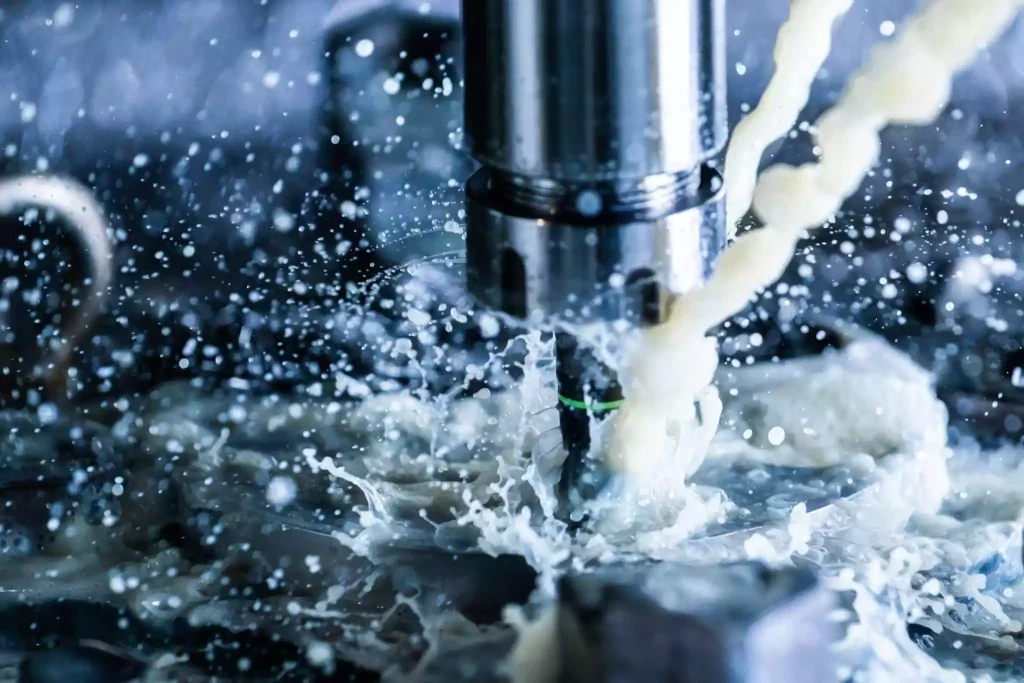
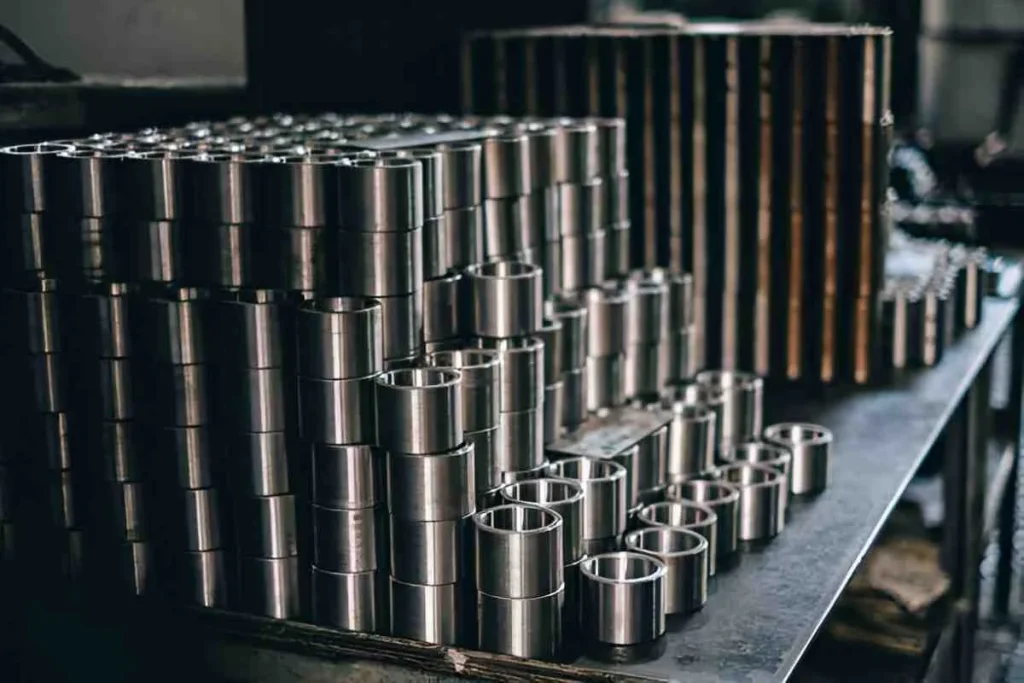
Easily machinable metals—such as aluminum, brass, free-cutting steel, 1018 steel, 303 stainless steel, and copper—offer excellent machining characteristics, making them ideal for efficient CNC production. This article outlines the machinability, common CNC processes, production advantages, application areas, and DFM (Design for Manufacturability) considerations for these materials.
Kovar Alloy Machining 6 7
All Articles, CNC Machining Materials Blog

CNC Machining Material Selection: How to Choose the Right Material

This article outlines how to select suitable materials for CNC machining based on part requirements and manufacturing considerations. It covers key factors such as mechanical properties, operating temperature, corrosion resistance, machinability, dimensional stability, surface finish, weight, material availability, and total cost. Additionally, the article provides a step-by-step selection process, application-based recommendations, comparative material analysis, common pitfalls, and a practical checklist, aiming to help manufacturers choose materials that balance performance, manufacturability, and cost.

CNC Machining Material Gallery
All Articles, CNC Machining Materials Blog

CNC Machining Materials: Types, Properties, Applications & Selection Guide

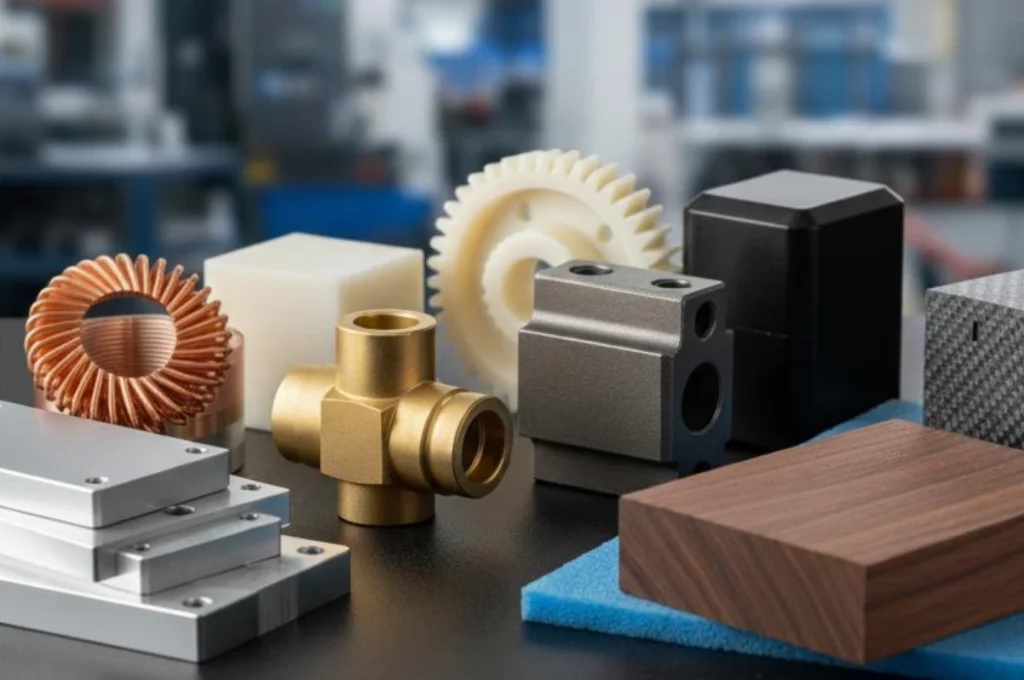
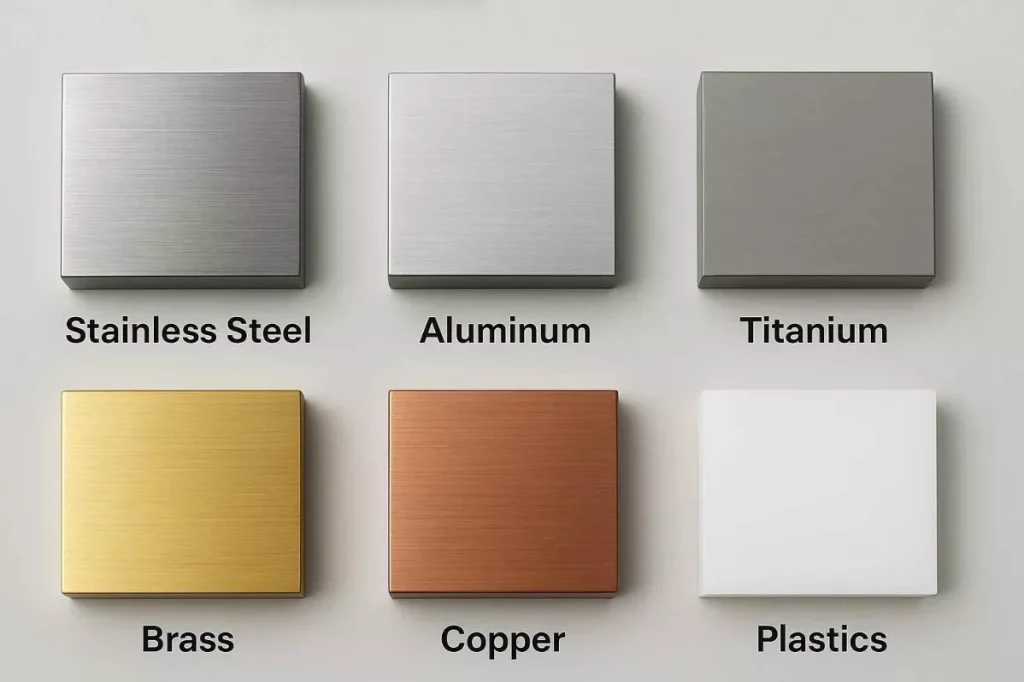
CNC machining materials include a wide range of metals, plastics, composites, and specialty materials, each offering different properties, machining characteristics, and application benefits. This guide covers the main types of CNC materials, their key properties, common applications, material grades and standards, and their suitability for different machining processes. It also explains how factors such as strength, weight, corrosion resistance, temperature resistance, machinability, surface finish, and cost affect material selection, helping you choose the right material for custom CNC machined components.

cnc machining tolerance inspection cmm 1
Manufacturing Knowledge Blog, All Articles

How to Design Parts for CNC Machining: Complete DFM Guidelines for Engineers

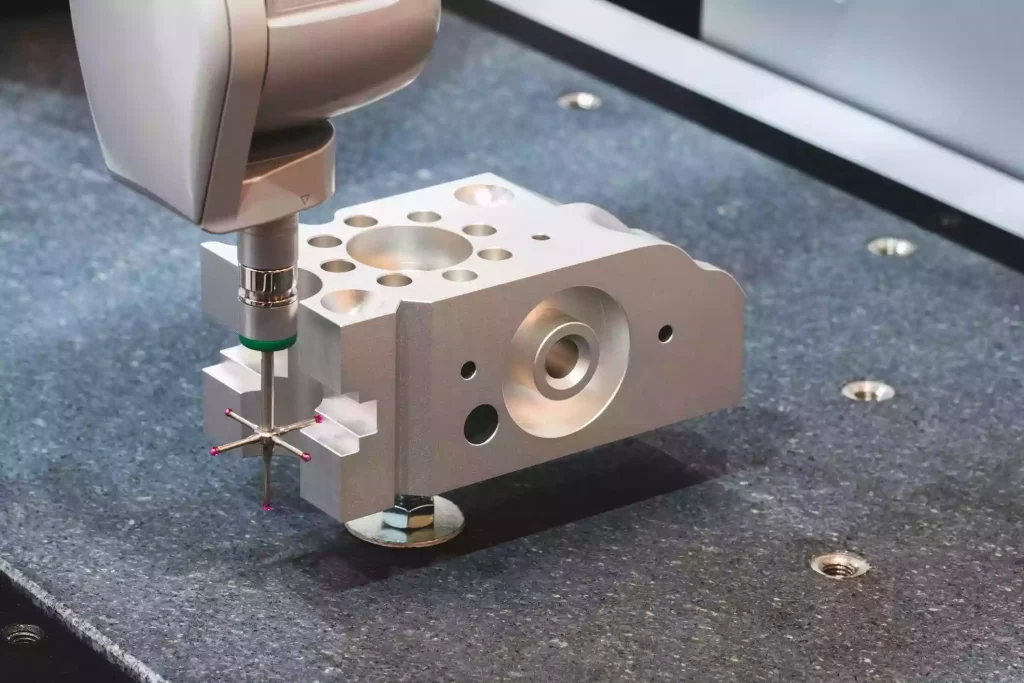
This guide covers essential CNC machining design principles, including tool accessibility, wall thickness, hole and thread design, internal corner radii, CNC machining tolerances, technical drawings, and Design for Manufacturing (DFM) practices. By optimizing part design before production, engineers can improve manufacturability, reduce machining costs, shorten lead times, and create reliable, production-ready CNC assemblies.

Rotary Engraving process
Engraving Blog, All Articles

CNC Rotary Engraving: Process, Materials, Benefits, and Industrial Applications

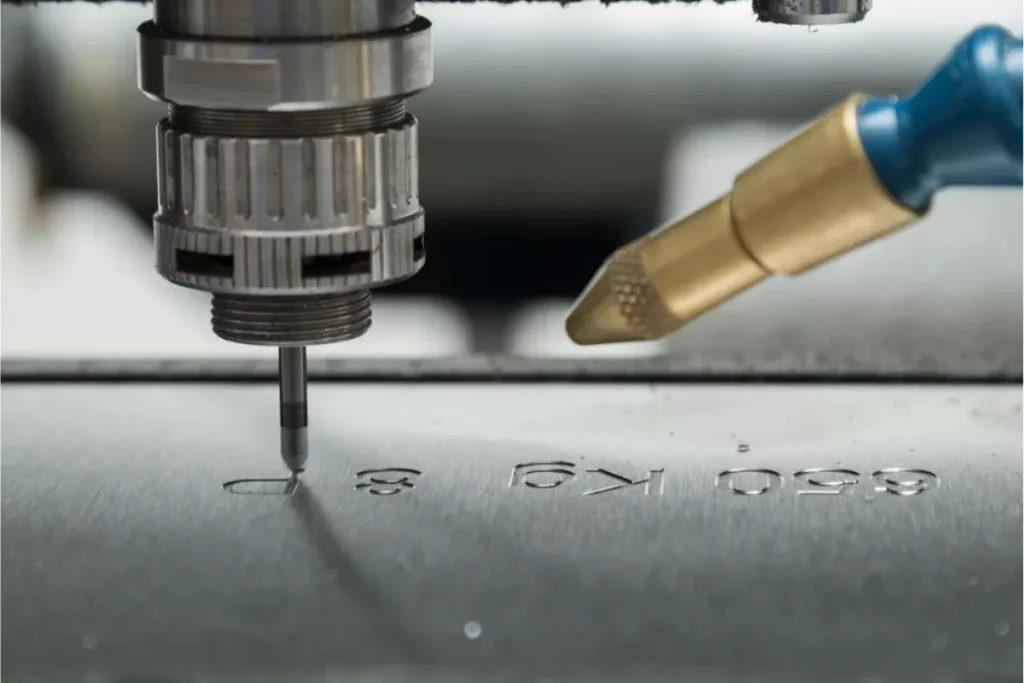
CNC rotary engraving is a precision machining process that creates permanent markings, text, logos, and identification features by removing material with a rotating cutting tool. This article explains how rotary engraving works, suitable materials, engraving tools, benefits, design considerations, industrial applications, and the differences between rotary engraving and laser engraving to help you choose the right marking solution for your parts.

Measure Thread Pitch with Thread Gauge
All Articles, Manufacturing Knowledge Blog

How to Measure Thread Size?

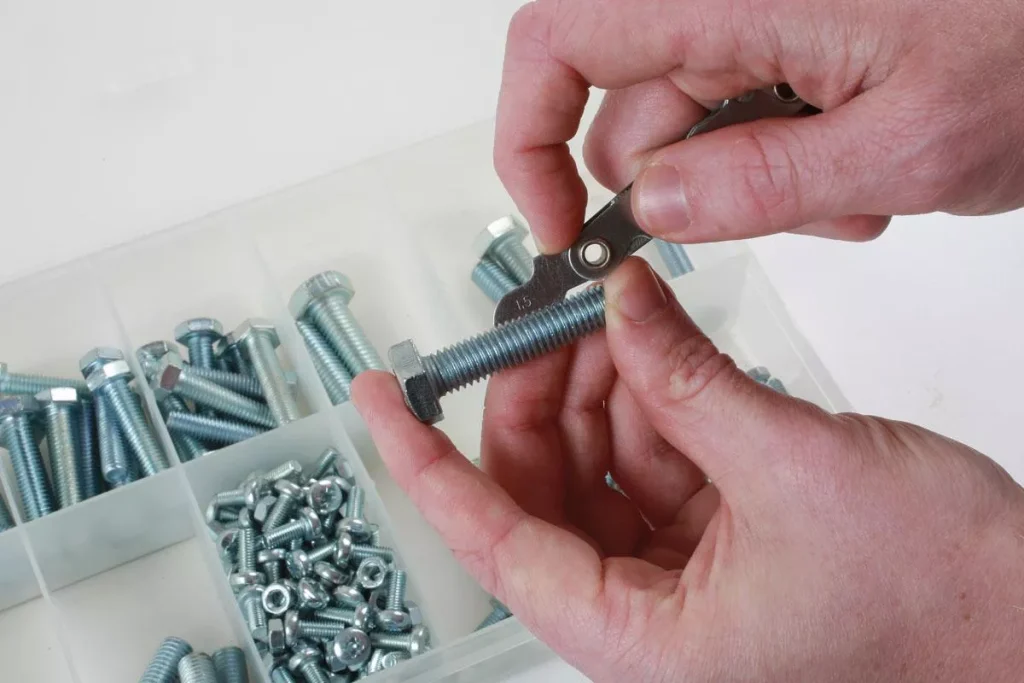
Accurate thread measurement is essential for identifying the correct thread specification and ensuring proper component compatibility. This guide explains how to measure thread size by checking key dimensions such as thread diameter, pitch, threads per inch (TPI), and thread angle. It covers common measurement methods using thread pitch gauges, calipers, rulers, and thread comparison techniques, along with the differences between metric, UNC, UNF, and pipe thread standards. By understanding proper thread measurement methods and inspection practices, manufacturers and engineers can avoid thread mismatches and ensure reliable assembly performance for mechanical components and CNC machined parts.

Advanced 4th axis Milling xtproto
4-Axis CNC Machining Blog, All Articles

Everything You Need to Know About 4-Axis CNC Machining

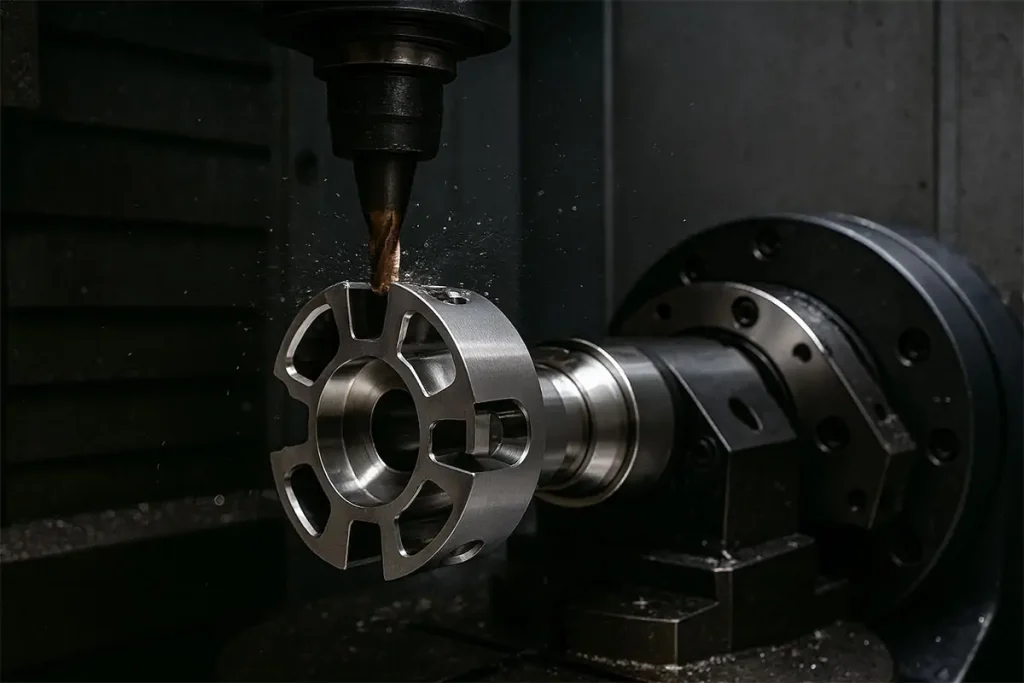
4-axis CNC machining adds a rotary axis to traditional CNC machining, enabling manufacturers to machine multiple surfaces, complex features, and cylindrical geometries with fewer setups. This guide explains everything about 4-axis CNC machining, including its working principles, machine configurations, machining process, design considerations, suitable parts, applications, cost factors, and comparisons with 3-axis and 5-axis machining.

Scroll to Top