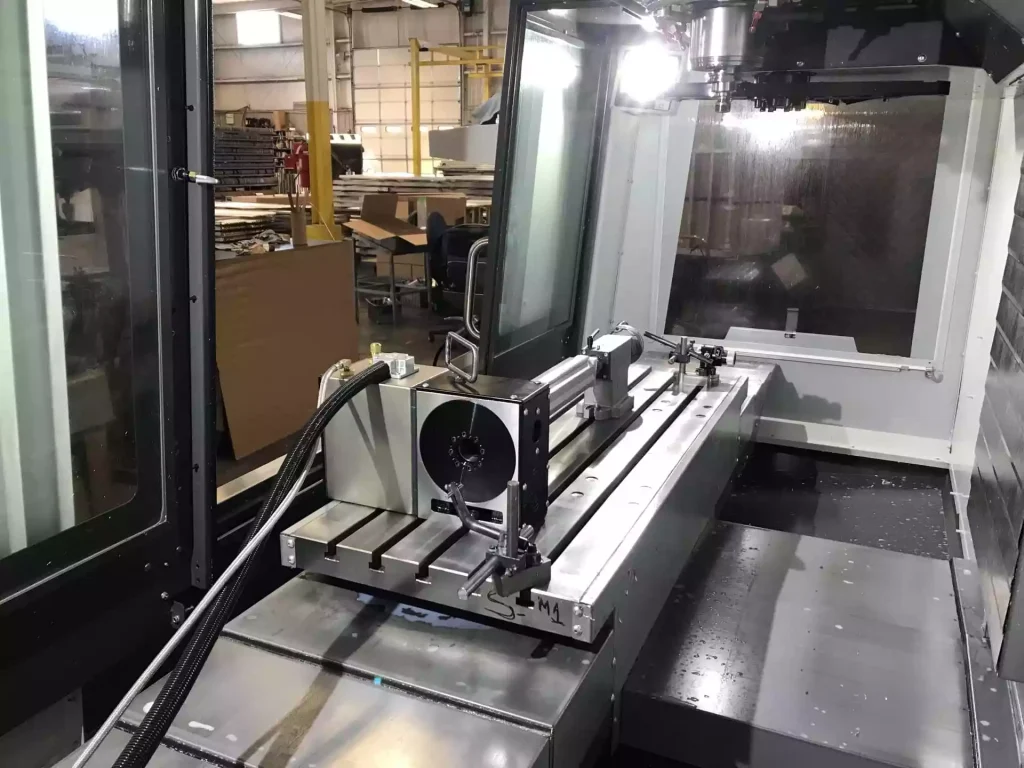
What Aluminum Alloys Are Commonly Used in CNC Machining?
What Aluminum Alloys Are Commonly Used in CNC Machining? Aluminum alloys are among the most widely used materials for CNC

What Aluminum Alloys Are Commonly Used in CNC Machining? Aluminum alloys are among the most widely used materials for CNC
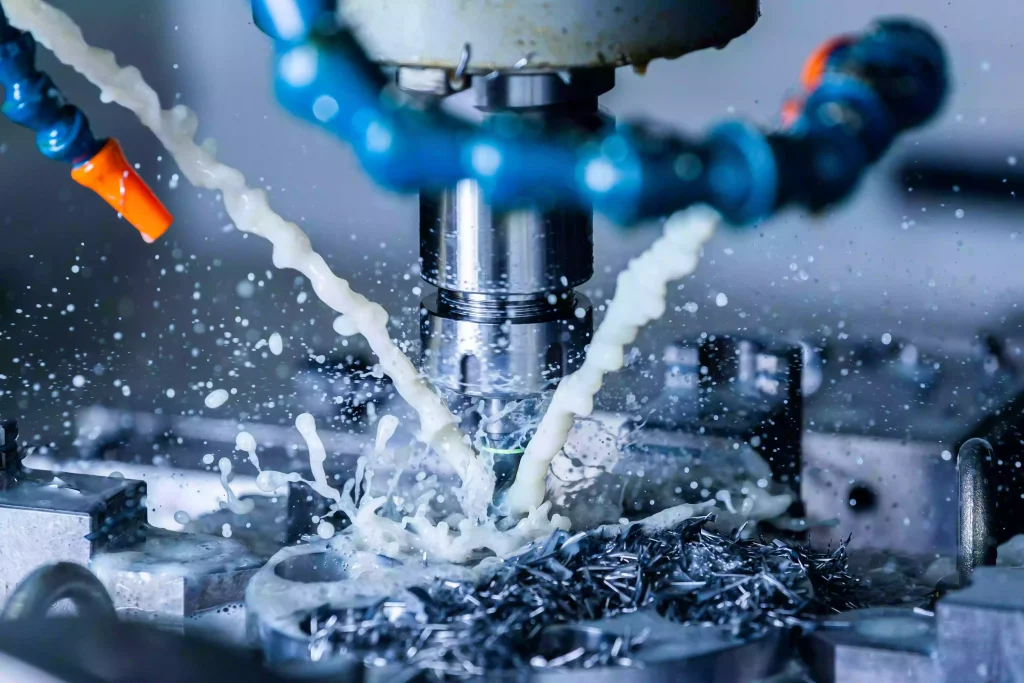
How Do CNC Machining Materials Affect Machining Costs? Choosing a material for a CNC machined part affects much more than
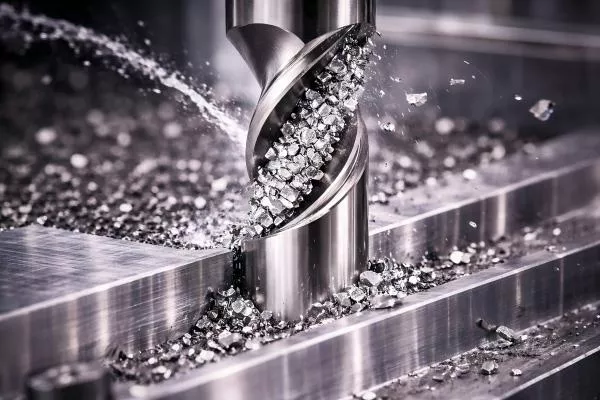
How to Set CNC Machining Parameters for Different Materials? CNC machining parameters directly affect cutting efficiency, surface finish, dimensional accuracy,
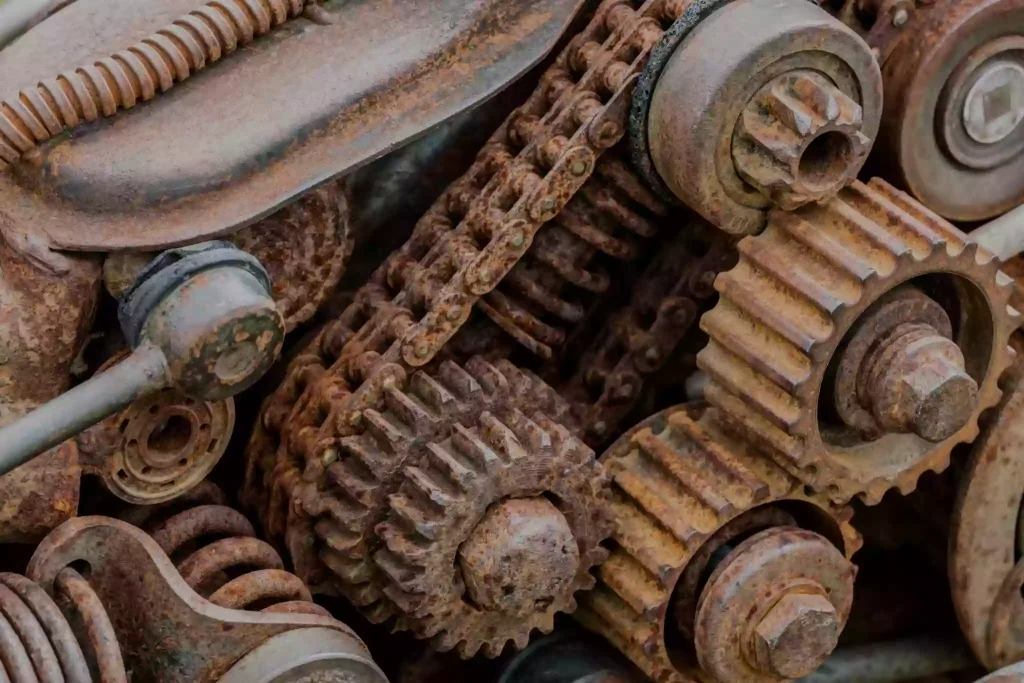
How Does Corrosion Resistance Affect CNC Machining Material Selection? Corrosion resistance is an important factor when selecting materials for CNC
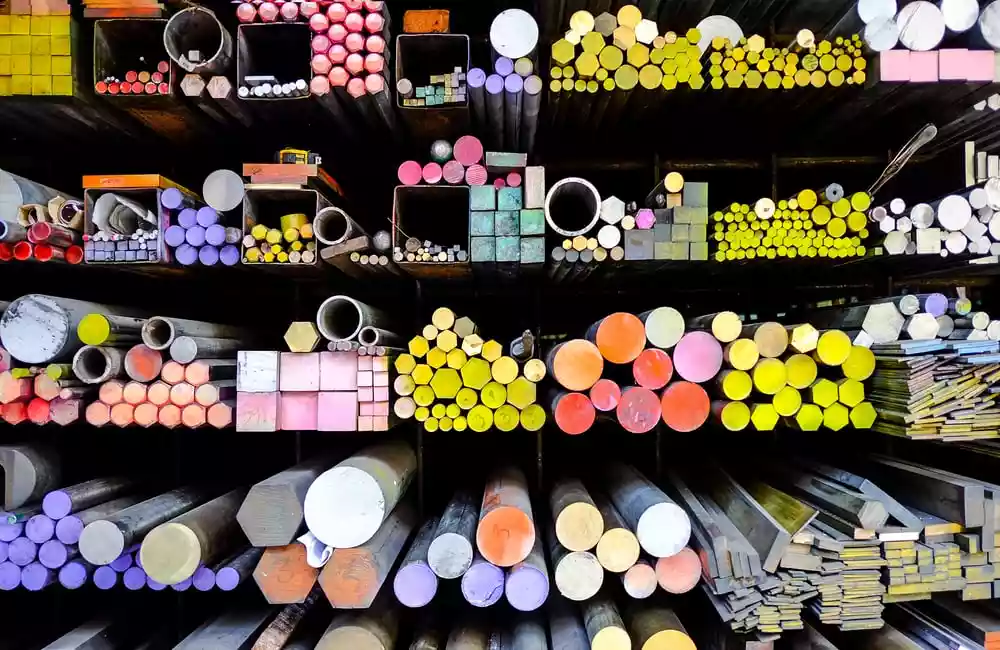
How Does Material Density Affect CNC Machined Parts? Material density is a critical factor when selecting materials for CNC-machined parts.
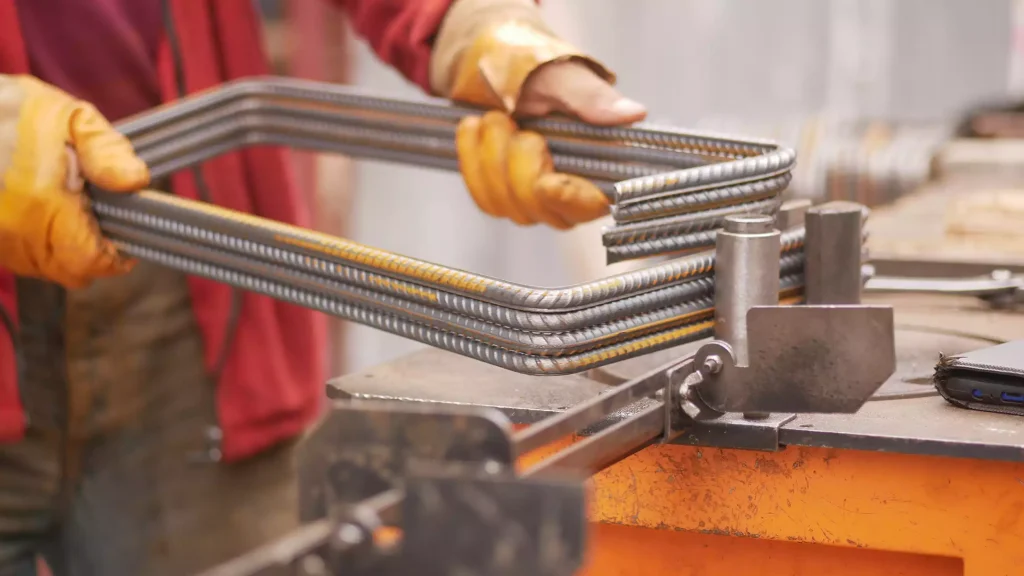
How Does Material Ductility Affect CNC Machining? When a CNC cutting tool removes material from a workpiece, the material does
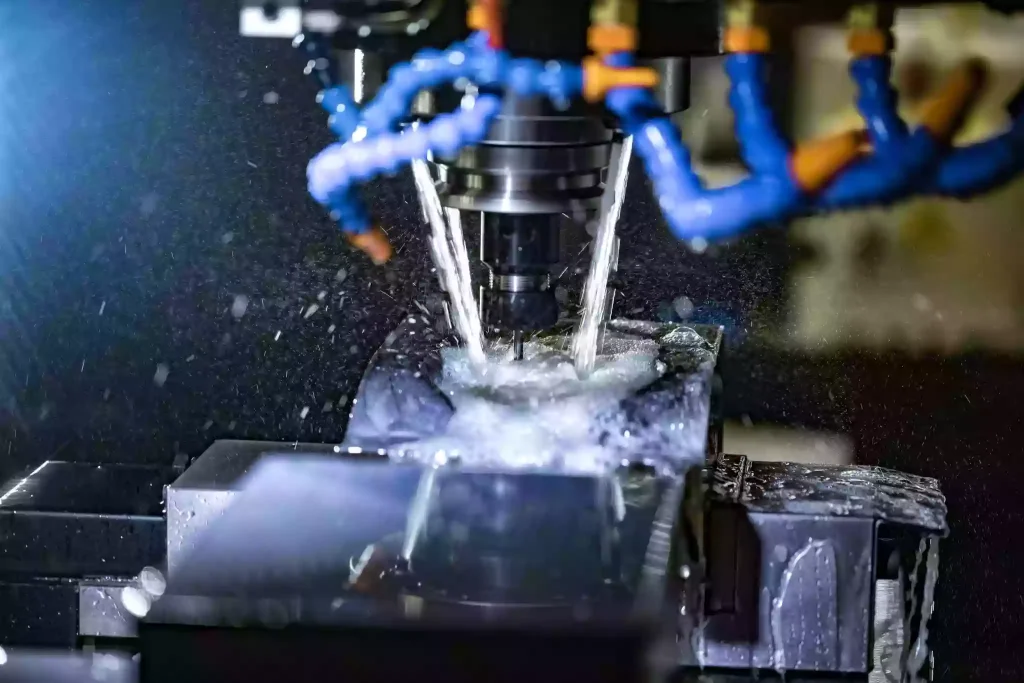
How Do Thermal Properties Affect CNC Machining? Heat is inevitably generated during the CNC machining of materials. As the cutting
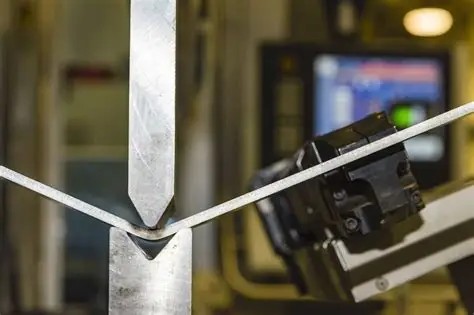
How Does Material Strength Affect CNC Machining? When a CNC machine cuts metal, the cutting tool must penetrate the material
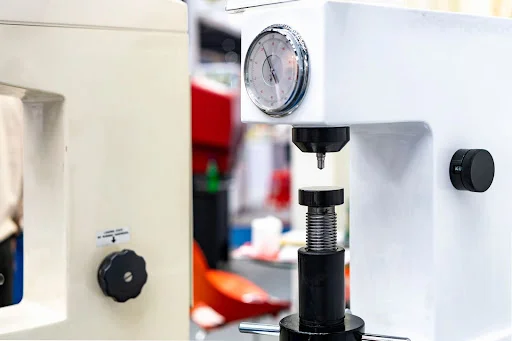
In CNC machining, material hardness influences cutting forces, tool wear, heat generation, feasible cutting speeds and feed rates, surface finish, and dimensional accuracy. Machining harder materials typically requires more rigid workholding, appropriate tooling, and stricter process control, often resulting in longer machining cycles and increased costs. However, material machinability is not determined solely by hardness; factors such as work hardening, thermal conductivity, ductility, microstructure, and heat treatment condition all alter a material’s behavior during the cutting process.
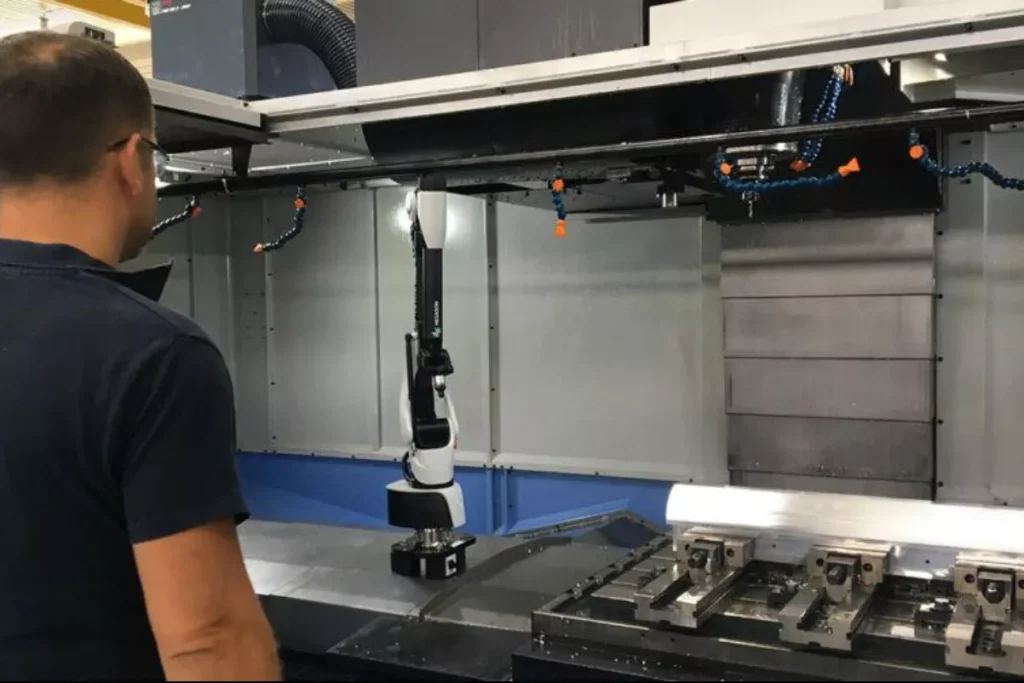
CNC machining quality inspection is a complete process that verifies material, dimensions, tolerances, surface quality, geometry, and functionality throughout production. It covers incoming material inspection, first-article inspection, in-process checks, and final inspection, using appropriate tools such as CMMs, micrometers, roughness testers, hardness testers, and PMI equipment. Effective inspection also depends on trained personnel, controlled measurement conditions, quality systems, and the proper use of inspection data to identify defects, improve processes, reduce scrap, and maintain consistent part quality.