CNC Machining of Aluminum Housings: Enhancing Cutting Fluid Stability and Machining Quality
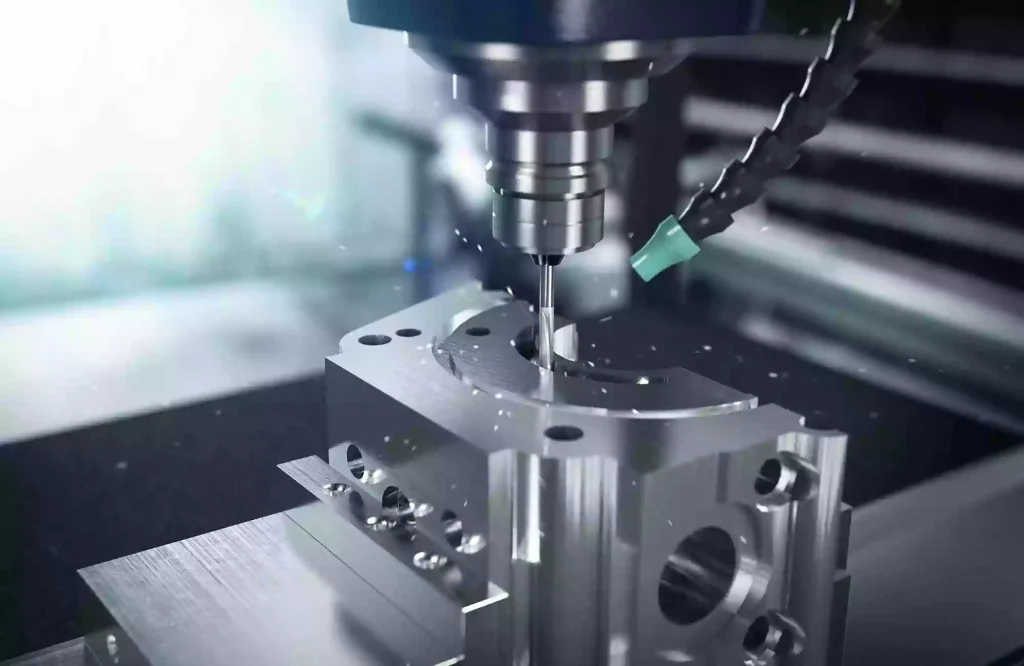
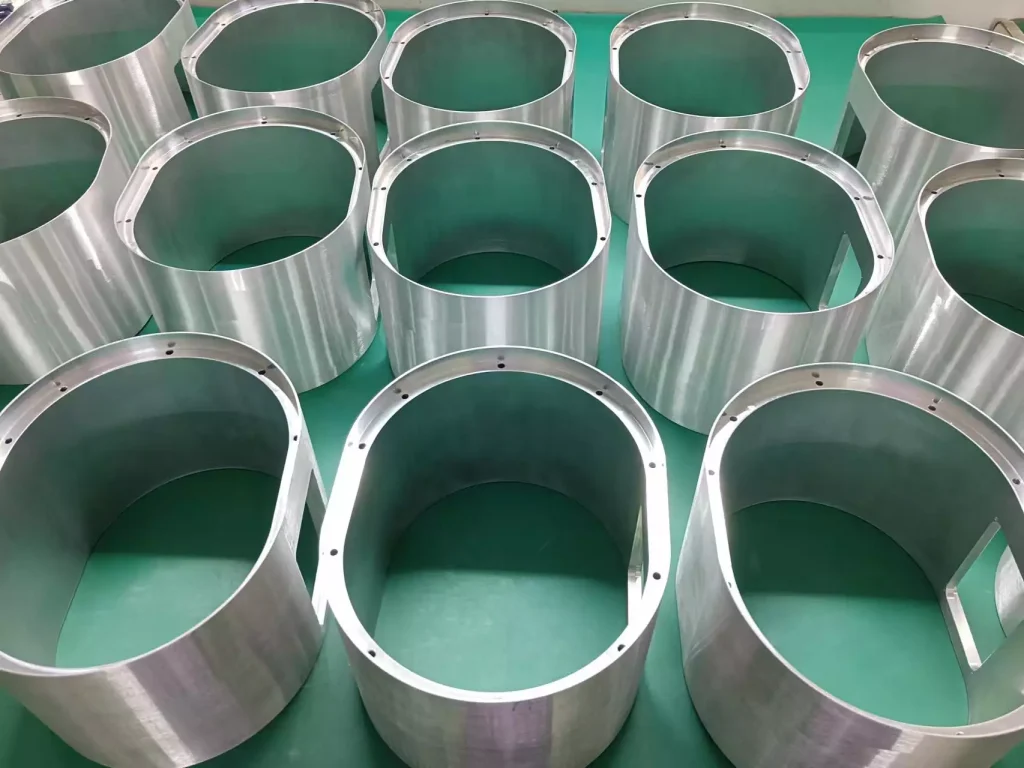
Aluminum alloy enclosures are widely used in motors, generators, industrial equipment, and the automotive sector. Thanks to their excellent machinability, they are highly suitable for CNC milling, drilling, tapping, and turning operations. However, achieving consistent machining quality requires more than just selecting the right cutting tools and process parameters.
During the CNC machining of aluminum alloys, cutting fluid plays a critical role. Its cooling and lubrication properties directly influence chip evacuation, tool wear, surface finish, and the overall stability of the production process. If the cutting fluid becomes unstable, issues such as oil-water separation, excessive foaming, bacterial growth, and the development of unpleasant odors can arise—complicating daily production management.
For aluminum components that require multiple machining stages, these problems can not only hinder production efficiency but also compromise the quality of the final parts. A thorough understanding of the factors that lead to cutting fluid instability can help manufacturers establish more reliable machining processes.
Common Issues with Cutting Fluids in Aluminum Alloy CNC Machining
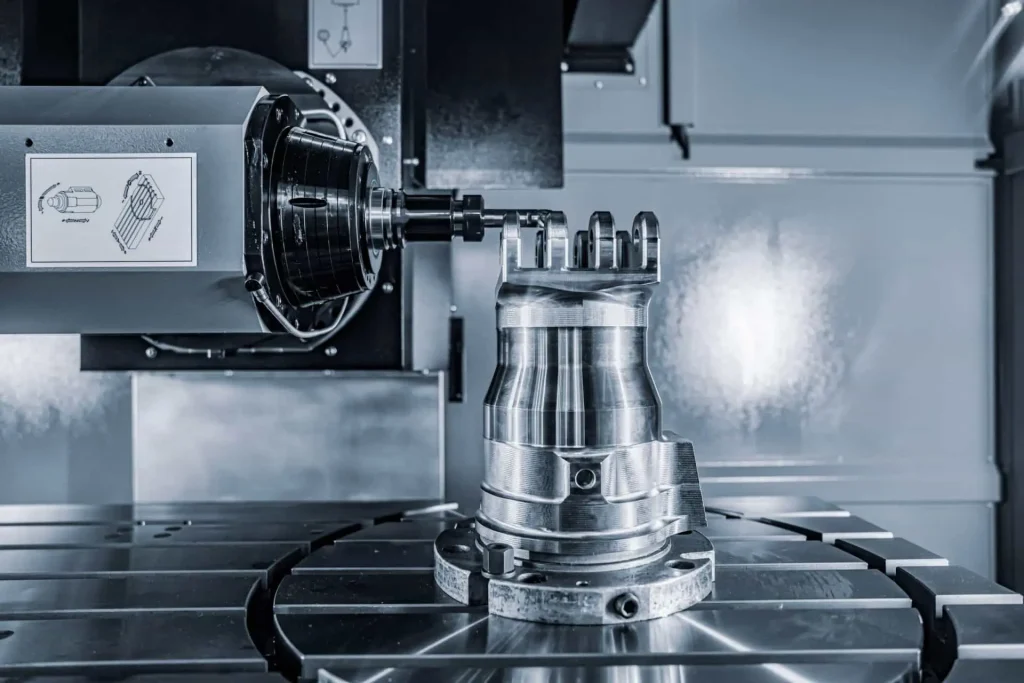
Take the manufacturing of an aluminum generator housing as an example; this component undergoes multiple CNC machining processes, each with specific requirements for cutting fluid. Milling generates significant heat and chips; drilling requires effective cooling and chip evacuation; and tapping relies heavily on lubrication to reduce friction and prevent damage to the threads.
During the production process, several issues related to cutting fluids may arise:
Emulsion Separation (Stratification)
Water-based cutting fluids must remain stable as a mixture during use. If an emulsion separates, oil droplets may accumulate on the surface, while the underlying fluid becomes compositionally inconsistent. This not only impairs lubrication performance but also complicates the management of fluid concentration.
Bacterial Contamination and Odors
If not properly maintained, cutting fluids can become a breeding ground for microorganisms. Such contamination can lead to unpleasant odors, changes in the fluid’s appearance, and a shortened service life.
Excessive Foaming
Excessive foam interferes with the circulation of the cutting fluid, reducing the efficiency of coolant delivery. Furthermore, it can compromise the cleanliness of the machine tool and increase the burden of maintenance.
Insufficient Lubrication During Tapping
During tapping, intense friction occurs between the cutting tool and the workpiece. Inadequate lubrication leads to accelerated tool wear, difficulties in chip evacuation, and a potential decline in thread quality.
These issues do not occur in isolation; they are often closely linked to factors such as the cutting fluid formulation, operating concentration, water quality, the level of contamination, and the overall operational status of the coolant system.
Why Cutting Fluid Stability Is Crucial for Machining Aluminum Alloy Parts
During the CNC machining of aluminum, cutting fluid serves multiple functions. Its performance directly influences machining conditions and production consistency.
Cooling and Temperature Control
In milling and drilling operations, friction between the cutting edge and the aluminum alloy workpiece generates heat. Cutting fluid helps dissipate heat from the cutting zone and minimizes excessive temperature fluctuations, thereby maintaining more stable machining conditions.
Lubrication and Tool Protection
Lubrication reduces friction between the cutting tool and the workpiece. This is particularly important during tapping (thread cutting); insufficient lubrication can lead to increased cutting resistance, premature tool wear, and even damage to the threads.
Chip Evacuation
Depending on the alloy composition, tool geometry, and cutting parameters, machining aluminum alloys can produce long, stringy, or highly adhesive chips. Proper application of cutting fluid ensures that chips are promptly flushed away from the cutting zone, reducing the risk of chip accumulation, re-cutting, and surface scratching on the workpiece.
Surface Quality and Dimensional Consistency
Unstable machining conditions can easily lead to the formation of built-up edges (BUE), accelerated tool wear, and inconsistent cutting performance. Effective cooling and lubrication help mitigate these risks, ensuring consistent surface quality and precise dimensional control.
Cutting fluid alone cannot fully guarantee machining accuracy. In practical production, one must also consider a range of other factors, including tool selection, machine tool rigidity, workpiece fixturing, cutting parameters, and thermal management.
Key Factors Affecting Cutting Fluid Stability
When a cutting fluid exhibits separation, foaming, or develops an unpleasant odor, simply increasing the concentration of the fluid may not address the root cause. In such cases, several operational factors should be examined.
Cutting Fluid Concentration
Concentration influences lubricity, cooling capacity, rust protection, and the overall stability of the cutting fluid. A concentration that is too low may result in inadequate lubrication and reduced rust protection, while an excessively high concentration can lead to increased residue, a greater tendency to foam, and higher operating costs (depending on the specific product formulation). The appropriate concentration should be determined based on the manufacturer’s recommendations and adjusted according to the specific machining process.
Regular measurements using a calibrated refractometer help maintain the concentration within the specified range. When taking measurements, it is also important to apply the correct refractometer correction factor for the specific product.
Water Quality and Hardness
For water-soluble cutting fluids, water quality is another critical factor affecting performance.
Water hardness can impact the stability of emulsions, while dissolved minerals and other contaminants may influence foam generation and overall fluid performance. Both excessively hard and excessively soft water can cause issues for certain cutting fluid formulations. The water source should be evaluated to ensure its parameters fall within the ranges recommended by the cutting fluid supplier.
Microbial Contamination
Bacterial growth is typically associated with improper fluid maintenance, the accumulation of contaminants, areas where fluid can stagnate, and unsuitable operating conditions.
Regular monitoring, maintaining effective fluid circulation, promptly removing tramp oil (surface oil), and cleaning the coolant tank can help reduce the risk of contamination.
Adding biocides without first identifying the source of contamination is not a reliable long-term maintenance strategy. Any corrective measures taken must comply with the cutting fluid manufacturer’s instructions and relevant workplace safety requirements.
Contamination by Tramp Oil and Metal Fines
During the production process, hydraulic oils, lubricating oils, and machining residues can enter the coolant system. These contaminants not only interfere with the performance of the cutting fluid but can also lead to the accumulation of oil on the fluid surface. In addition, fine metal chips and sludge may accumulate in the coolant tank and circulation piping.
Proper filtration, oil removal (skimming), and regular system cleaning help keep the coolant clean.
Practical Measures to Improve Cutting Fluid Performance
Enhancing the stability of cutting fluid requires a comprehensive approach covering product selection, operational control, and routine maintenance.
Selecting Cutting Fluid for Aluminum Alloy Machining
The chosen product must be compatible with the aluminum alloy material, the specific machining process, the materials of the machine tool components, and the required surface finish quality.
For processes such as milling, drilling, and tapping, the cutting fluid formulation should strike an optimal balance between cooling, lubrication, corrosion protection, and foam control.
Maintaining Recommended Concentration
A regular concentration monitoring protocol should be established; do not rely on visual inspection alone. Keep records of monitoring data and make adjustments based on actual production conditions.
Optimizing Coolant Circulation and Filtration
Ensure that the coolant effectively reaches the cutting zone. Use an appropriate filtration system to promptly remove accumulated metal chips and fine particles, and prevent the formation of “dead zones” (stagnant areas) within the coolant tank.
Controlling Contamination
Whenever possible, remove any “tramp oil” (extraneous oil) that has entered the system. Clean the coolant tank periodically and prevent unrelated chemicals or cleaning agents from entering the system.
Monitoring Cutting Fluid Condition
Routine maintenance should include monitoring the cutting fluid’s concentration, pH level, appearance, odor, foaming characteristics, and level of contamination. If any abnormal changes are detected, investigate and analyze the cause first—do not simply replace the cutting fluid or add chemical additives without proper assessment.
Different CNC Operations Require Different Lubrication Conditions
An aluminum housing may involve several machining operations, each with its own requirements.
CNC Milling
CNC milling requires effective cooling and chip removal. Coolant delivery should help prevent chip accumulation and reduce the possibility of chips being recut against finished surfaces.
Tool geometry, cutting speed, feed rate, and coolant direction also influence built-up edge and surface finish.
CNC Drilling
CNC drilling produces chips within a relatively confined cutting area. Insufficient chip evacuation can lead to chip packing, increased cutting forces, and poor hole quality.
Coolant delivery should support effective heat removal and chip evacuation, particularly when machining deeper holes.
CNC Tapping
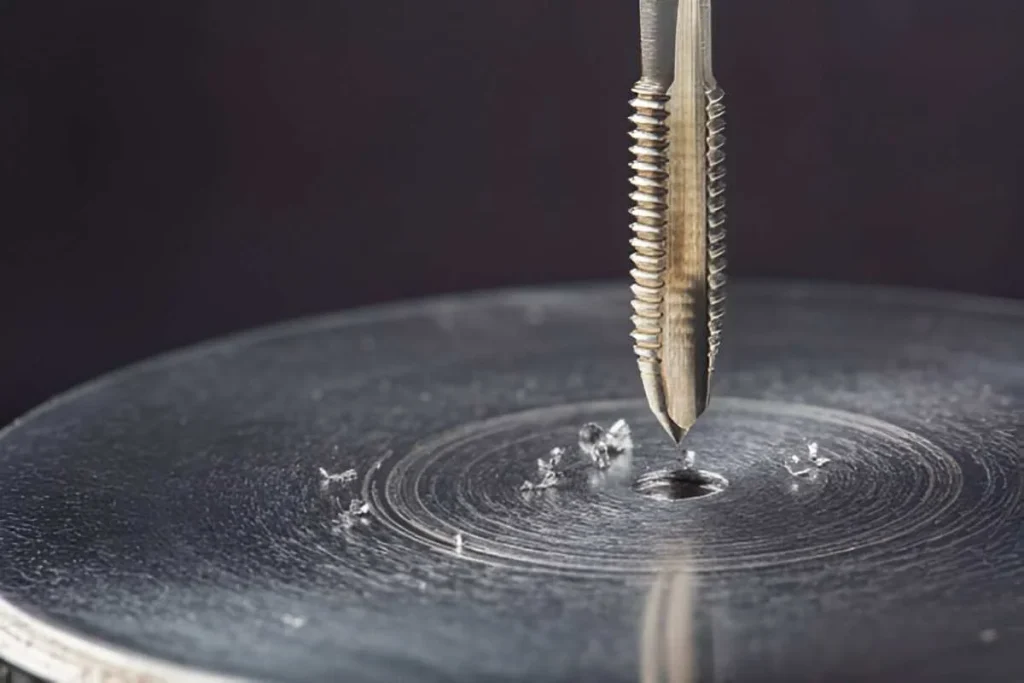
Tapping requires particular attention to lubrication because of the contact between the tool flanks and the workpiece material.
The cutting fluid should provide sufficient lubricity while supporting chip removal. Correct tap geometry, thread specifications, cutting speed, and tool condition remain equally important.
Using one coolant system for multiple operations requires a formulation capable of meeting the combined demands of the machining process.
How to Evaluate Cutting Fluid and Machining Improvements
A stable coolant system should be evaluated through measurable production indicators rather than appearance alone.
Manufacturers can monitor several aspects:
- Fluid stability: Check for emulsion separation, floating oil, excessive foam, and unusual deposits.
- Concentration consistency: Record refractometer measurements and track changes during production.
- Microbial condition: Monitor odor, pH changes, and contamination according to the coolant supplier’s maintenance recommendations.
- Tool performance: Compare tool wear, tool life, and replacement frequency under consistent machining conditions.
- Machined surface quality: Evaluate surface roughness and inspect for scratches, built-up edge, and other machining defects.
- Thread quality: Inspect tapped holes using appropriate thread gauges and dimensional inspection methods.
- Operating costs: Track coolant replenishment, disposal, maintenance frequency, and tooling consumption.
When evaluating a coolant change, manufacturers should compare results under controlled conditions. Material grade, tool type, cutting parameters, machine settings, and coolant concentration should be documented to make the comparison meaningful.
Xtmade’s Approach to Aluminum CNC Machining Quality
At Xtmade, aluminum CNC machining involves more than selecting a machine and following a programmed toolpath. Material characteristics, part geometry, machining sequences, cutting conditions, and inspection requirements all influence the final result.
For complex aluminum housings and precision components, our manufacturing process focuses on several key areas:
- Drawing and process review: Evaluate part geometry, dimensional tolerances, machining features, and surface finish requirements before production.
- Machining process planning: Select appropriate CNC milling, drilling, tapping, and multi-axis machining strategies according to part structure and production requirements.
- Cutting condition control: Consider tool selection, cutting parameters, cooling, lubrication, and chip evacuation to support stable machining.
- In-process inspection: Monitor critical dimensions and machining conditions throughout production.
- Final quality verification: Use appropriate measuring equipment, including CMM inspection, to verify dimensional and geometric requirements.
For aluminum housings with multiple machining features, maintaining stable production conditions is essential to achieving repeatable results.
Cutting fluid management is one part of this broader manufacturing control process. By considering the interaction between machining parameters, tooling, coolant performance, and inspection, manufacturers can reduce avoidable production problems and improve overall process consistency.
If you have aluminum CNC machined housings or other precision components requiring milling, drilling, tapping, or multi-axis machining, Xtmade can review your existing drawings and manufacturing requirements to evaluate a suitable production approach.