What Metals Can Be CNC Machined?
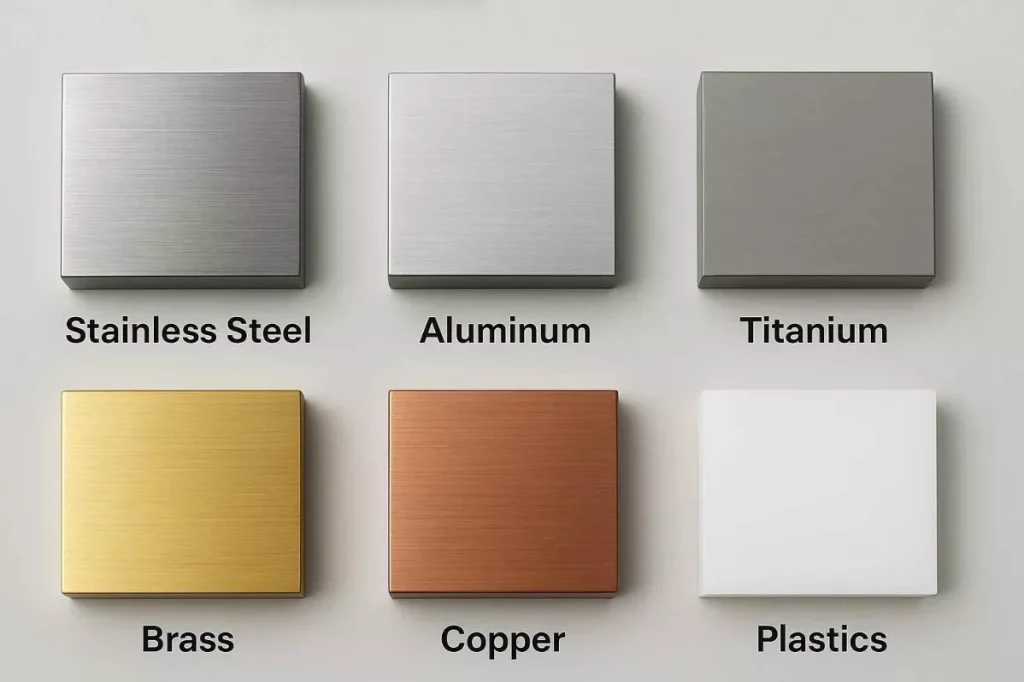
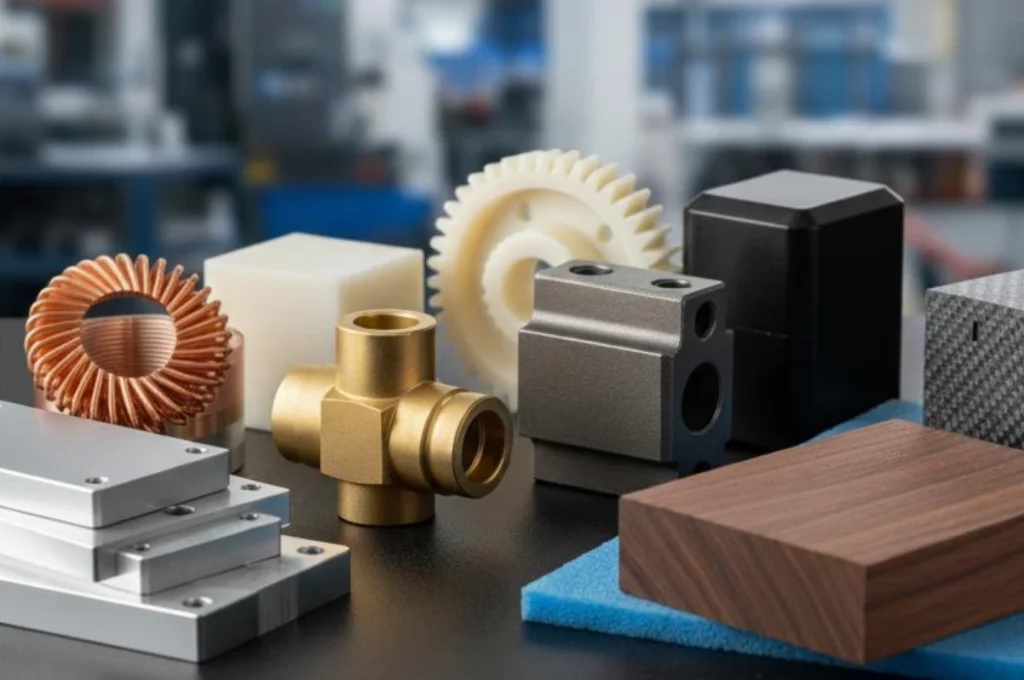
Metal CNC machining supports a wide range of metal materials, from aluminum and steel to stainless steel, brass, copper, titanium, and nickel alloys. Each material offers different levels of strength, machinability, corrosion resistance, and cost, making material selection an important part of CNC production.For a broader classification of what types of materials can be processed using CNC machines, see our materials guide.
This guide covers the common metals used in CNC machining, their commonly machined grades, machining characteristics, and cost considerations to help you compare different options for your application.
What Materials Can Be CNC Machined?
A wide range of metals can be processed with CNC milling, turning, drilling, boring, and other machining operations. The most common options include aluminum, steel, stainless steel, brass, copper, bronze, titanium, magnesium, nickel alloys, and hardened or tool steels. Within each metal family, different grades can have significantly different strength, hardness, machinability, corrosion resistance, and cost.
Understanding the differences between these materials is important when selecting a metal for CNC production. A material with a low purchase price may require more machining time or cause greater tool wear, while a more expensive alloy may provide better performance or reduce the need for additional treatments.
Aluminum
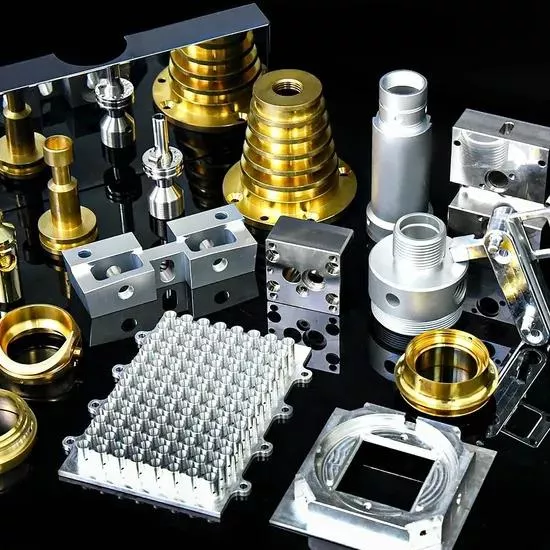
Aluminum is one of the most commonly selected metals for CNC machining because it offers a strong combination of low density, good strength, corrosion resistance, and machinability. It can be efficiently processed by both CNC milling and turning, making it suitable for prototypes as well as production quantities.
Common grades include 6061-T6, 7075-T6, 2024, 5052, and 6063. Among them, 6061-T6 is widely used for general-purpose machined components because it provides a practical balance of strength, machinability, availability, and cost. 7075-T6 provides higher strength and is often selected for aerospace and structural applications, while 5052 is known for its corrosion resistance and formability.
Aluminum generally allows relatively high cutting speeds and efficient material removal. Its lower density also reduces the weight of the finished component compared with steel. However, softer grades can produce burrs or built-up material on cutting tools, so tooling and cutting parameters still need to be controlled.
Typical applications include housings, brackets, heat sinks, manifolds, aerospace components, automotive components, and electronic enclosures.
Steel
Steel covers a broad range of alloys, from easily machinable low-carbon steels to high-strength alloy steels and hardened tool steels. It is chosen when a component requires greater strength, stiffness, hardness, or wear resistance than aluminum can provide.
Common steel materials for CNC machining include 1018, 1045, 4130, 4140, and 4340. 1018 is a low-carbon steel with good machinability and is suitable for general mechanical components. 1045 provides higher strength and hardness, while 4130 and 4140 offer improved mechanical performance through alloying and heat treatment.
The machining behavior of steel varies significantly with grade and hardness. Low-carbon steel is relatively straightforward to machine, while alloy and heat-treated steels require more carefully selected cutting tools and parameters. Increasing hardness generally increases cutting forces, tool wear, and machining time.
Steel is widely used for shafts, gears, pins, fixtures, brackets, mechanical housings, tooling, and load-bearing components.
Stainless Steel
Stainless steel is commonly selected when corrosion resistance must be combined with mechanical strength and durability. The material family includes a number of grades with substantially different machining characteristics.
Common grades for CNC machining include 303, 304, 316/316L, 17-4 PH, and 416. 303 is generally easier to machine because of its sulfur content, while 304 and 316 offer stronger corrosion resistance but can be more demanding during machining. 17-4 PH provides high strength and can be heat treated, while 416 offers improved machinability compared with many other stainless grades.
One of the main machining challenges with stainless steel is work hardening. If cutting conditions are incorrect or the tool repeatedly rubs rather than cuts, the material can harden at the machined surface. Stainless steel can also generate substantial heat during cutting, increasing tool wear.
Despite these challenges, stainless steel remains a popular choice for medical components, food-processing equipment, fittings, shafts, valves, enclosures, and industrial machinery where corrosion resistance and durability are important.
Brass
Brass is among the easiest metals used in CNC machining because many brass alloys offer excellent machinability and produce relatively manageable chips. It is particularly well suited to precision turning, milling, drilling, and threading.
Common grades include C360 and C260. C360 is widely used for precision machined components because of its excellent machinability, while C260 provides good strength and corrosion resistance for applications requiring a different balance of properties.
Brass can support efficient machining with relatively low cutting resistance, making it attractive for components with large numbers of holes, threads, grooves, or other machined features. Its machinability can also help reduce machining time and tool wear.
Typical applications include fittings, connectors, valves, electrical terminals, bushings, fasteners, and precision hardware.
Copper
Copper is primarily selected for its exceptional electrical and thermal conductivity rather than simply its mechanical properties. Common CNC machining grades include C101 and C110.
Copper is softer than steel and many aluminum alloys, which can make it susceptible to burr formation and material adhesion during machining. Its high thermal conductivity also changes how heat is distributed during cutting. Sharp tools, suitable tool geometry, and appropriate cutting parameters are important for obtaining clean surfaces.
CNC-machined copper is frequently used for electrical terminals, busbars, connectors, heat-transfer components, electrodes, and other components where conductivity is critical.
Copper can also have a higher raw material cost than common aluminum or mild steel, so material selection should consider both performance requirements and overall production cost.
Titanium
Titanium is selected for applications requiring high strength with relatively low weight, excellent corrosion resistance, or reliable performance in demanding environments. The most commonly encountered grades include Grade 2 and Grade 5 titanium (Ti-6Al-4V).
Grade 2 provides good corrosion resistance and useful mechanical performance, while Grade 5 offers significantly higher strength and is widely used in aerospace, medical, and high-performance applications.
Titanium is considered a difficult material to machine. Its relatively low thermal conductivity means that a large portion of the heat generated during cutting remains near the cutting zone. Its high strength also increases cutting forces and can accelerate tool wear. Maintaining stable cutting conditions and avoiding excessive heat generation are therefore important.
These machining challenges can increase production time and cost compared with easier-to-machine metals such as aluminum or brass.
Typical applications include aerospace structures, aircraft components, medical implants and instruments, racing components, and high-performance mechanical parts.
Bronze
Bronze includes several copper-based alloys with useful combinations of wear resistance, strength, corrosion resistance, and machinability. Common CNC machining grades include C932 bearing bronze and C954 aluminum bronze.
C932 is commonly used where low friction and good wear resistance are required, while C954 provides higher strength and is suitable for more demanding mechanical applications.
Bronze is particularly useful for components exposed to sliding contact, friction, or corrosive environments. CNC-machined bronze is commonly found in bushings, bearings, gears, valves, pumps, and industrial wear components.
Magnesium
Magnesium is one of the lightest structural metals and is attractive for applications where reducing component weight is a priority. It also offers good machinability and can be removed efficiently during CNC operations.
Its low density makes magnesium useful in selected automotive, aerospace, electronics, and lightweight structural applications. However, machining magnesium requires appropriate process controls because fine chips and dust can ignite under unfavorable conditions.
Material handling, chip management, cutting conditions, and housekeeping are therefore important considerations when machining magnesium.
Nickel Alloys
Nickel-based alloys are used when ordinary metals cannot provide sufficient performance at high temperatures, under severe corrosion, or under sustained mechanical loads. Common CNC-machined nickel alloys include Inconel 625 and Inconel 718.
These alloys retain high strength at elevated temperatures and provide excellent resistance to corrosion and oxidation. However, those same properties make them considerably more difficult to machine.
Nickel alloys generate high cutting forces and significant heat at the cutting zone and can cause rapid tool wear. Machining generally requires appropriate carbide tooling, controlled cutting parameters, rigid setups, and careful chip management. The resulting machining time and tooling requirements can make nickel alloys considerably more expensive to CNC machine than aluminum or brass.
Typical applications include aerospace engines, turbine components, chemical-processing equipment, oil and gas equipment, and other high-temperature systems.
Tool Steel and Hardened Steel
Tool steels are engineered for high hardness, wear resistance, toughness, and dimensional stability. Common applications include molds, dies, cutting tools, punches, and specialized fixtures.
The machinability of tool steel depends heavily on its grade and hardness. Annealed tool steel can be machined using conventional CNC processes, while hardened material can require specialized tooling, reduced cutting conditions, and more advanced machining strategies.
Hardened steel is often machined after heat treatment when maintaining dimensional accuracy and wear resistance is more important than ease of machining. The higher hardness can significantly increase tool wear and machining time, making these materials more expensive to process than softer steels.
Choosing Among CNC Machining Metals
There is no single best metal for every CNC application. Aluminum and brass are often attractive when machinability and production efficiency are priorities. Steel and stainless steel are better suited to many applications requiring higher strength or durability, while copper is preferred when electrical or thermal conductivity is essential. Titanium and nickel alloys are generally reserved for demanding environments where their performance justifies their higher material and machining costs.
The appropriate metal CNC machining material ultimately depends on the required mechanical performance, operating environment, dimensional requirements, production volume, and total manufacturing cost rather than material price alone.
How Metal Properties Affect CNC Machining
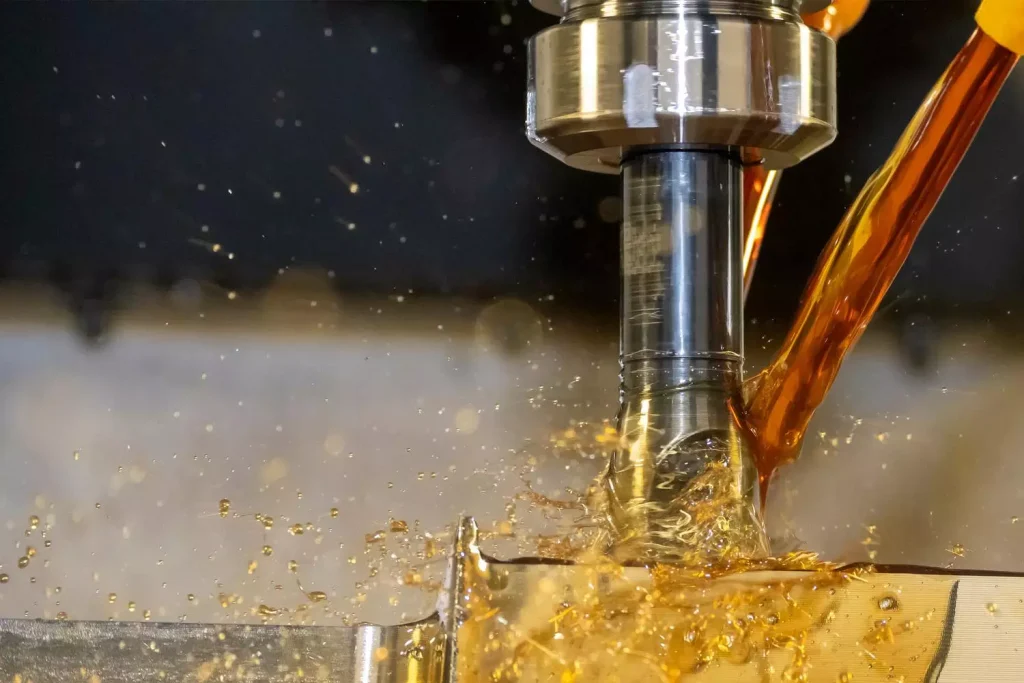
The properties of a metal directly affect cutting performance, tool life, surface finish, machining time, and cost. Different materials require different tooling and cutting conditions to achieve consistent results.
Machinability
Metals with good machinability, such as aluminum and brass, can generally be cut faster with less tool wear. Materials such as titanium, nickel alloys, and some stainless steels require more controlled machining conditions.
Hardness
Higher hardness increases cutting forces and tool wear. Hardened steel and heat-treated alloys may require specialized tooling and slower cutting conditions compared with softer metals.
Thermal Conductivity
Thermal conductivity affects how heat moves away from the cutting zone. Aluminum and copper dissipate heat relatively well, while titanium and nickel alloys retain more heat near the cutting edge, increasing tool wear.
Ductility and Chip Formation
Ductile metals can produce long, continuous chips that affect surface finish and chip evacuation. Proper tool geometry and cutting parameters help control chip formation.
Strength and Dimensional Stability
High-strength metals require greater cutting forces and rigid workholding. Thermal expansion and residual stress can also cause dimensional changes, particularly in thin-wall or tight-tolerance components.
These properties work together to determine the appropriate machining strategy, tooling, cutting parameters, and expected production cost for each metal.
Which Metals Are Easiest to CNC Machine?
Aluminum and brass are generally among the easiest metals to CNC machine because they offer good machinability, lower cutting forces, and relatively low tool wear. Mild steel is also widely machined and provides a good balance of machinability and strength.
Aluminum is particularly suitable for high-speed machining and is often a cost-effective choice for general CNC components. Brass offers excellent machinability and produces clean, manageable chips, making it well suited to precision turning and small components. Mild steel, such as 1018, is slightly more demanding but remains relatively easy to machine compared with harder steels and specialty alloys.
The easiest material for a specific project ultimately depends on the required strength, surface finish, tolerances, production volume, and cost.
Which Metals Are More Difficult to CNC Machine?
Some metals are more challenging to CNC machine because they generate high cutting forces, retain heat, harden during cutting, or cause rapid tool wear. These characteristics can affect machining speed, surface finish, dimensional accuracy, and tool life.
Titanium and nickel alloys are among the more demanding materials due to their high strength and low thermal conductivity. Heat can build up near the cutting zone, accelerating tool wear and limiting cutting speeds. Hardened steel presents another challenge because its high hardness increases cutting forces and requires specialized tooling. Stainless steel, particularly grades that work harden easily, also requires careful control of cutting conditions to prevent excessive heat and premature tool wear.
For these materials, selecting suitable cutting tools, speeds, feeds, and coolant strategies is essential for achieving stable machining and consistent part quality.
What Is the Most Affordable Metal for CNC Machining?
Aluminum is often one of the most affordable metals for CNC machining, particularly grades such as 6061-T6. Its relatively low material cost, low density, and excellent machinability allow it to be cut efficiently with high machining speeds and lower tool wear.
Mild steel, such as 1018, can also be economical when higher strength is required. Brass offers excellent machinability but generally has a higher material cost, while stainless steel, titanium, and nickel alloys tend to cost more due to their material price and greater machining requirements.
However, the most cost-effective metal depends on more than the price per kilogram. Material availability, machining time, tooling, part geometry, tolerances, surface finish, and required post-processing can all affect the final CNC machining cost.
How Much Does CNC Machining Cost Per Hour for Metal?
The hourly cost of metal CNC machining varies depending on the machine type, material, part complexity, tolerances, and production requirements. Basic 3-axis machining is generally less expensive than 5-axis machining or CNC turning with live tooling, while difficult-to-machine metals may require slower cutting speeds and more expensive tooling.
The hourly rate typically accounts for machine operation, setup, tooling, labor, and equipment costs. Material, programming, inspection, surface finishing, and other secondary processes may be charged separately.
For an accurate estimate, provide the metal grade, part dimensions, quantity, tolerances, and drawing or 3D model. These details allow the machining time and total production cost to be evaluated more accurately.
CNC Machining Metal Cost Comparison
The cost of CNC machining varies significantly between metals. Material price is only one factor; machinability, machining time, tooling requirements, and post-processing can also affect the final cost.
| Metal | Material Cost | Machinability | Typical Cost Level |
| Aluminum | Low | Excellent | Low |
| Mild Steel | Low | Good | Low |
| Brass | Medium | Excellent | Low–Medium |
| Stainless Steel | Medium | Moderate | Medium |
| Copper | High | Moderate | Medium–High |
| Titanium | High | Difficult | High |
| Nickel Alloys | High | Difficult | High |
Aluminum and mild steel are commonly selected when keeping machining costs low is a priority. Titanium and nickel alloys generally cost more because of higher material prices, longer machining times, and greater tooling demands.
How to Choose a Metal for CNC Machining?
The right metal depends on the part’s functional requirements, machining characteristics, and overall production cost. Consider the following factors before selecting a material:
- Strength and hardness: Choose a material that can withstand the required loads, wear, and operating conditions.
- Machinability: Materials with better machinability can reduce machining time, tool wear, and production costs.
- Corrosion resistance: Stainless steel, aluminum, titanium, and other corrosion-resistant metals may be preferable for demanding environments.
- Dimensional requirements: Thermal expansion, residual stress, and material stability can affect tight-tolerance machining.
- Cost and availability: Compare both material price and machining requirements to determine the overall cost.
- Application requirements: Temperature, conductivity, weight, wear resistance, and other functional properties should match the intended application.
At Xtmade, we help customers select suitable metals based on part requirements, machining conditions, and production quantities. Our team can recommend appropriate material grades and machining approaches to balance performance, quality, and cost.For a broader comparison of material properties, applications, and selection factors, see our CNC machining materials selection guide.
Need Help Choosing a CNC Machining Metal?
Choosing between aluminum, steel, stainless steel, brass, titanium, and other metals depends on the part’s performance, machining requirements, and budget. Xtmade can help you evaluate suitable metal or plastic material grades and machining options based on your drawings, specifications, and production needs.
Contact us for a material recommendation and CNC machining quote tailored to your project.
FAQ
What metals can CNC machines cut?
CNC machines can cut a wide range of metals, including aluminum, steel, stainless steel, brass, copper, bronze, titanium, magnesium, and nickel alloys. The suitable material depends on the machine, tooling, part geometry, and required tolerances.
What is the easiest metal to CNC machine?
Aluminum and brass are generally among the easiest metals to machine because of their good machinability and relatively low cutting resistance. Mild steel is also widely used for CNC machining when higher strength is required.
Can CNC machines cut hardened steel?
Yes. Hardened steel can be CNC machined with suitable cutting tools and machining parameters. The required approach depends on the material grade and hardness, with higher hardness generally requiring more specialized tooling and slower cutting conditions.
Is aluminum cheaper to CNC machine than steel?
Often, yes. Aluminum typically offers faster machining and good tool life, which can reduce machining time. However, the final cost also depends on material price, part geometry, tolerances, quantity, and finishing requirements.
What metal is best for CNC machining?
There is no single best metal for every application. Aluminum is a strong choice for lightweight, general-purpose components, while steel and stainless steel are better suited to applications requiring higher strength, wear resistance, or corrosion resistance. Titanium and nickel alloys are used when demanding performance justifies their higher machining cost.