Alle artikelen

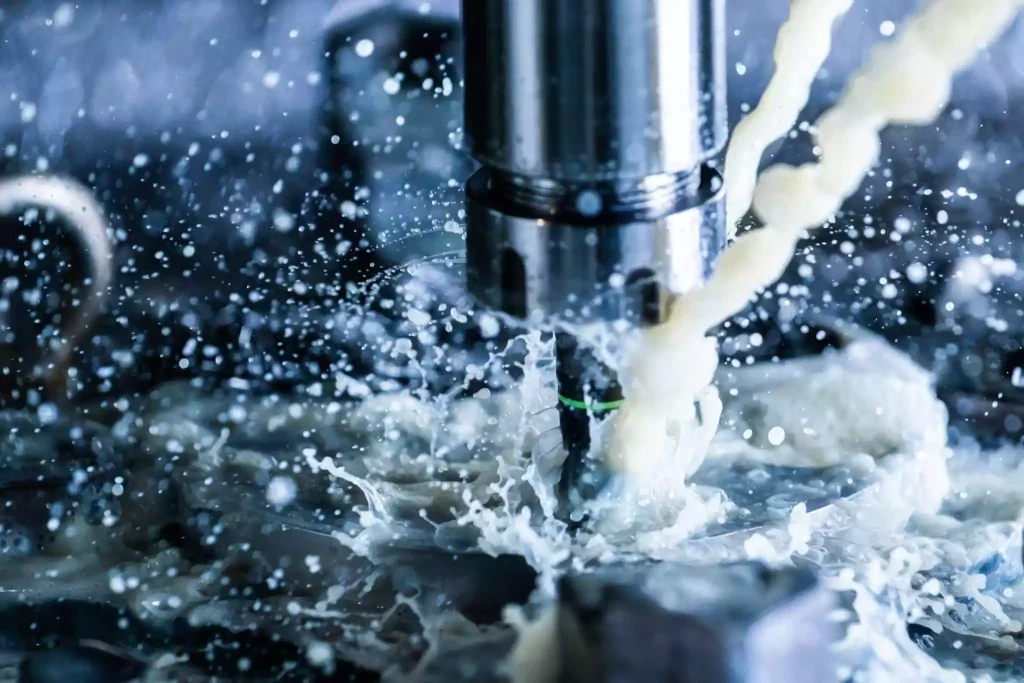
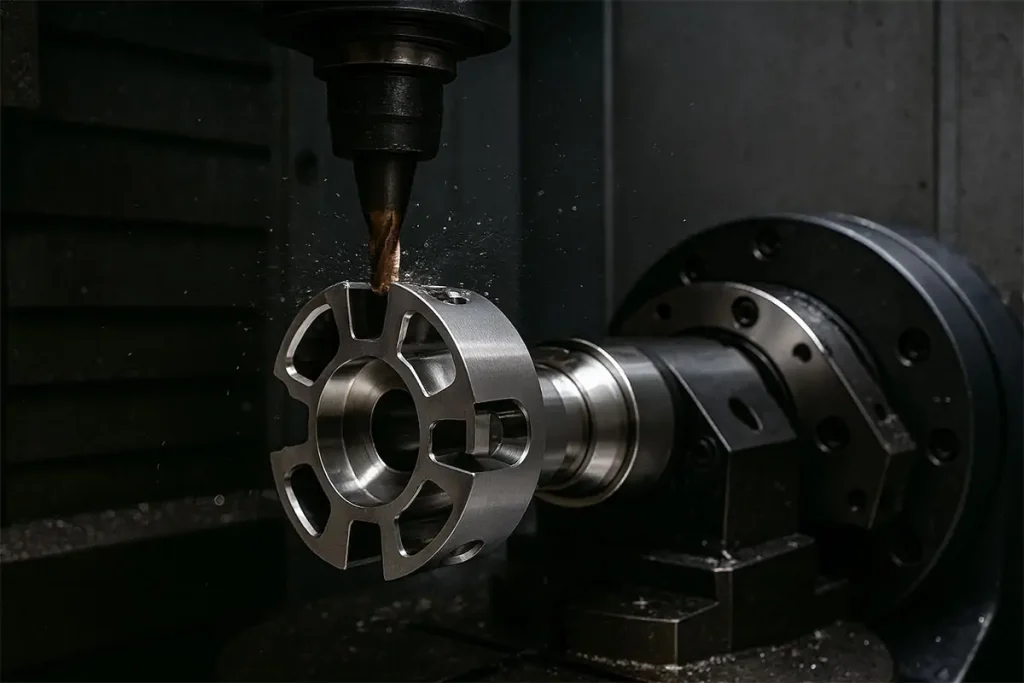
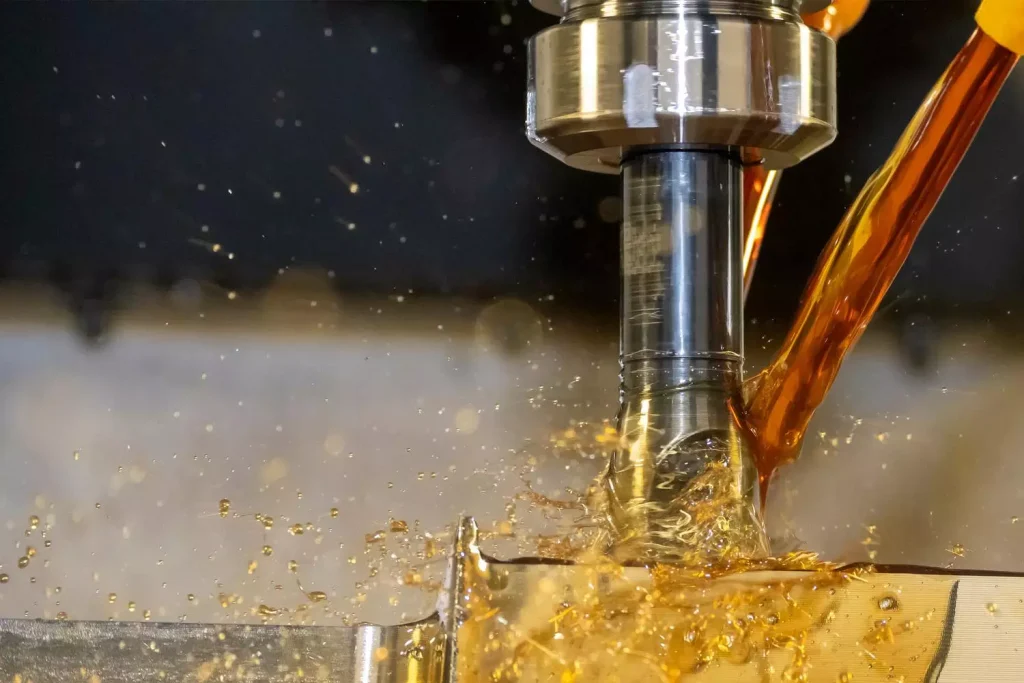
High precision CNC milling of aluminum alloy parts
Alle artikelen, CNC-frezen

De ultieme gids voor CNC-frezen: principes, machines en ontwerpen voor succes

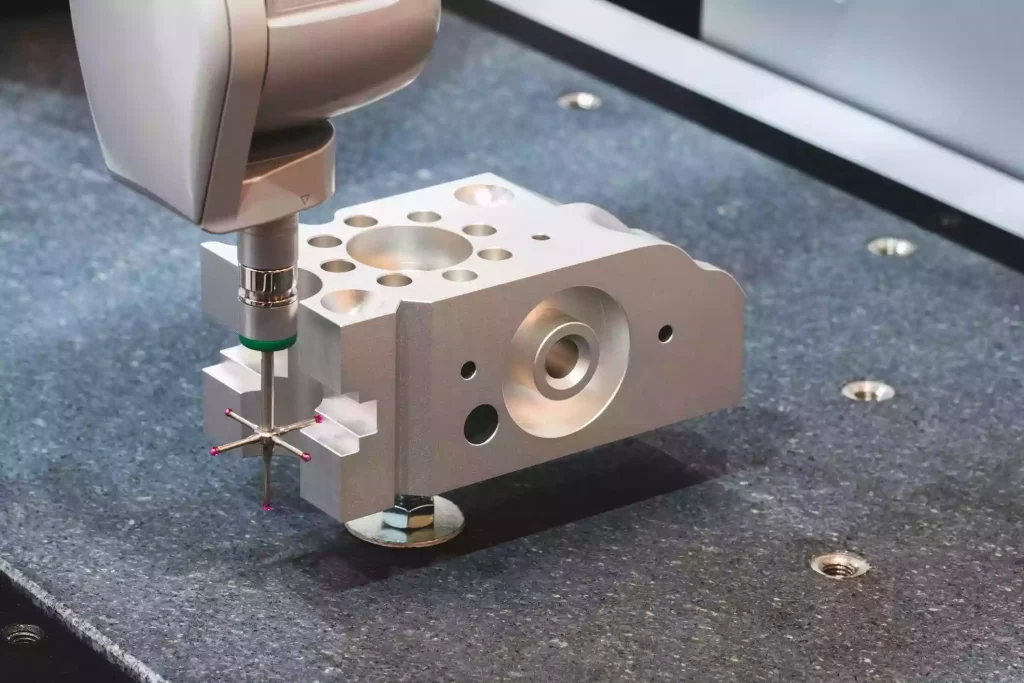
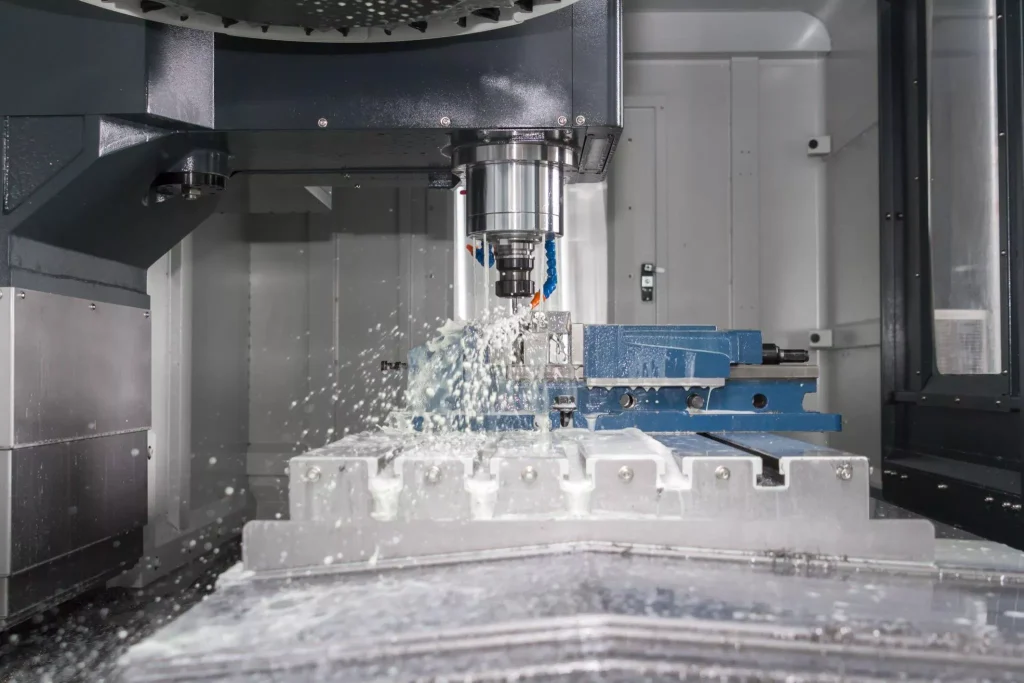
In deze gids worden de basisprincipes van CNC-frezen behandeld, waaronder de werking van het proces, de verschillen tussen 3-assige en 5-assige bewerking, veelvoorkomende machinetypes, snijgereedschappen en materiaalkeuze. Daarnaast komen oppervlakteafwerkingsmethoden aan bod, evenals belangrijke DFM-principes voor het verlagen van productiekosten en opkomende trends zoals AI-gestuurde CAM-programmering en geautomatiseerde ‘lights-out’-productie.

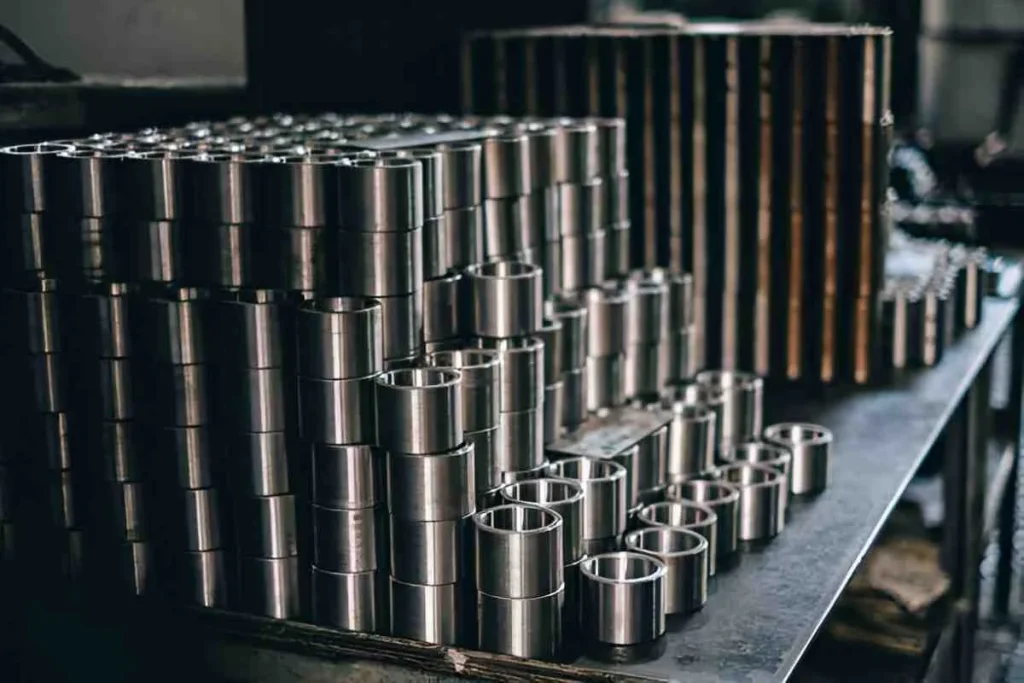
cnc turning service02
Alle artikelen, CNC-draaien

CNC-draaien uitgelegd: proces, machines, materialen, toepassingen en ontwerphandleiding

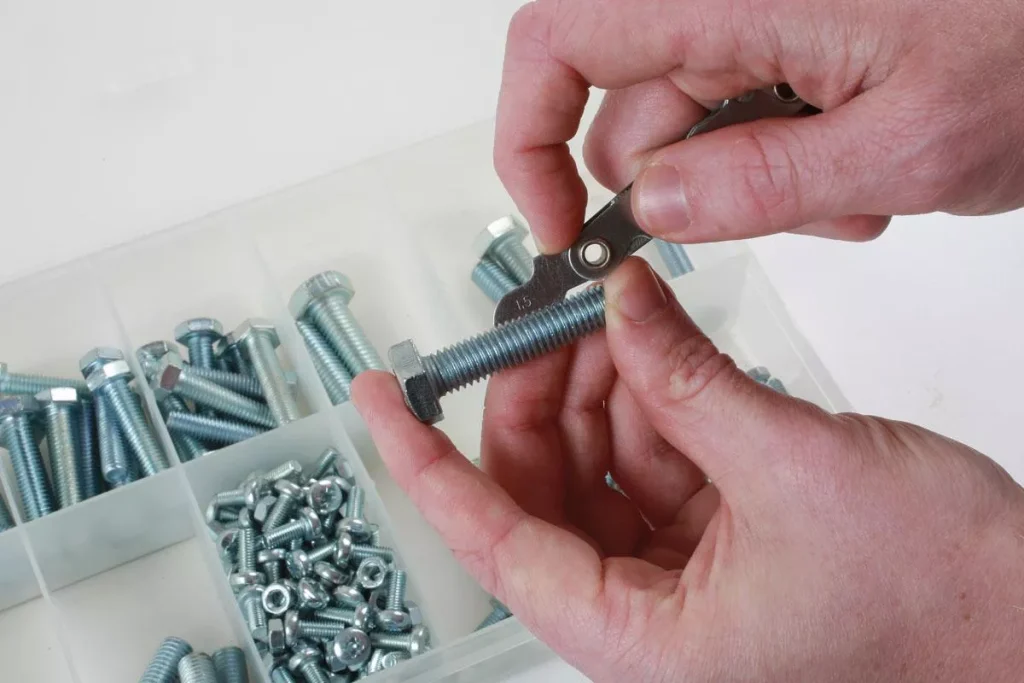
CNC turning is a highly efficient machining process used to produce precision rotational parts by rotating the workpiece while a stationary cutting tool removes material. It is widely used for cylindrical components such as shafts, bushings, and connectors due to its high accuracy, fast cycle time, and excellent concentricity control.

The process includes operations like turning, boring, threading, and parting, and is compatible with materials such as aluminum, stainless steel, brass, carbon steel, and engineering plastics. Key factors affecting accuracy include spindle runout, tool deflection, thermal stability, and fixturing rigidity.

CNC turning is cost-efficient for high-volume production but requires careful design (DFM), especially for wall thickness, corner radii, and thread features. Compared to CNC milling, turning is more suitable for axisymmetric parts and offers better efficiency and consistency.

It remains a core manufacturing process across industries such as automotive, aerospace, medical, robotics, and fluid systems, and is evolving with automation, hybrid machining, and smart manufacturing technologies.

CNC-bewerking
Alle artikelen, Kennis op het gebied van productie

De economische aspecten van precisieproductie: inzicht in de kostenstructuur van CNC-bewerking

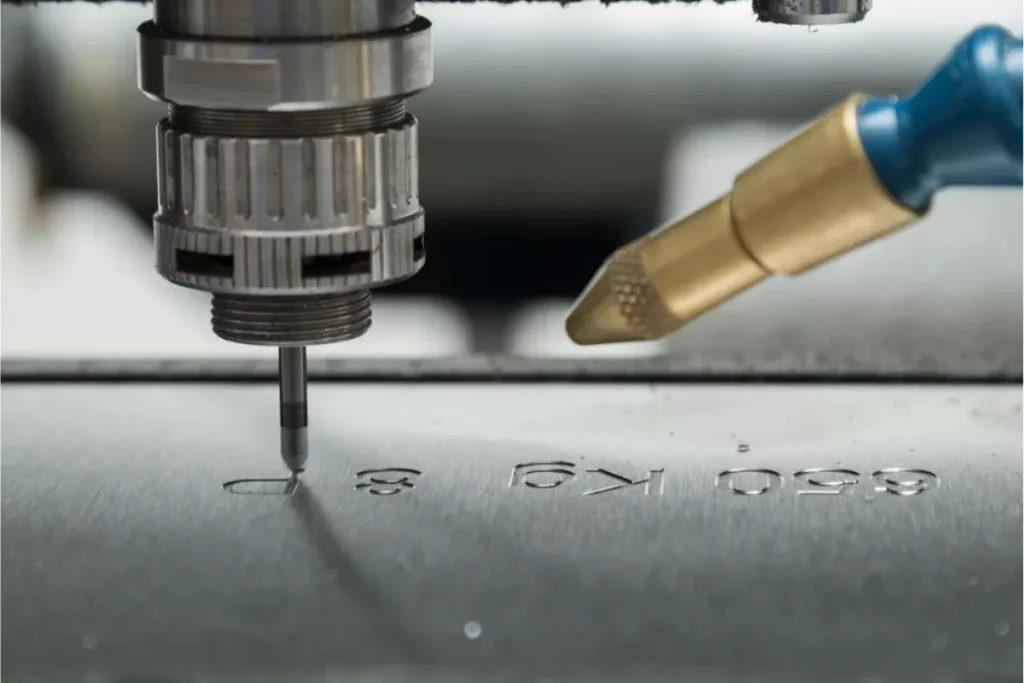
Waarom lopen offertes voor CNC-bewerking van hetzelfde CAD-bestand zo sterk uiteen? Deze uitgebreide gids ontrafelt de verborgen economische aspecten van precisieproductie. We analyseren de belangrijkste kostenfactoren, waaronder de exponentiële relatie tussen tolerantie en prijs, de invloed van geometrieën met een hoge aspectverhouding op de fysica van de bewerking, en de “Buy-to-Fly”-verhouding van grondstoffen. Ontdek hoe u de principes van Design for Cost (DFC) kunt toepassen om uw productiebudget te optimaliseren en de “Goldilocks-zone” te vinden waar functionele precisie en productie-efficiëntie samenkomen.

Scroll naar boven