Service
Kovar Machining
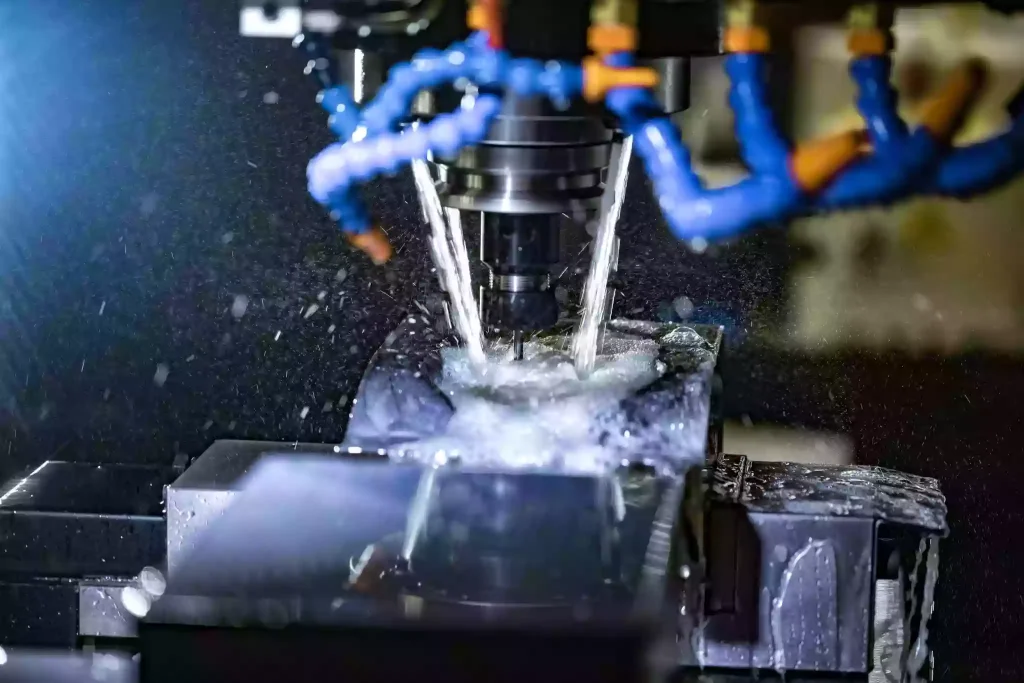
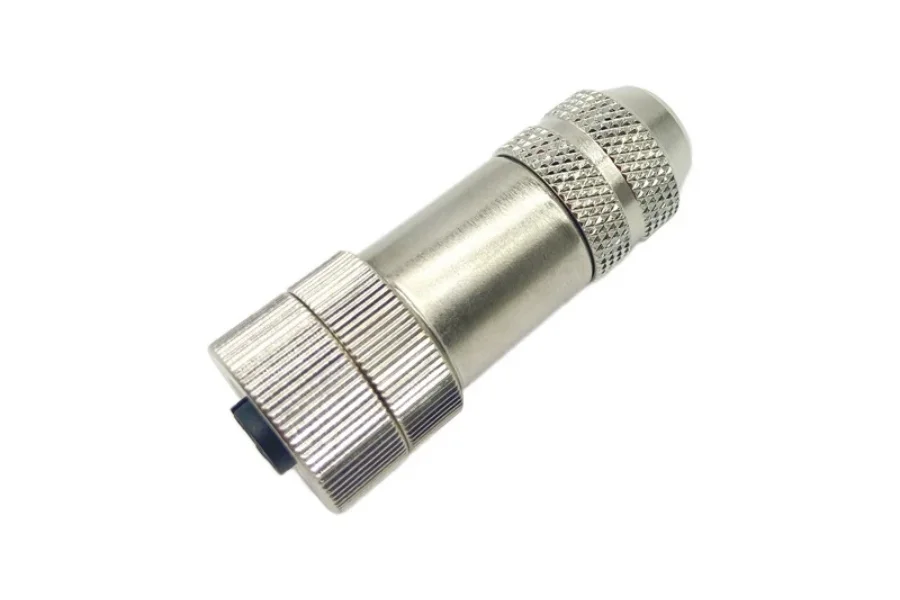
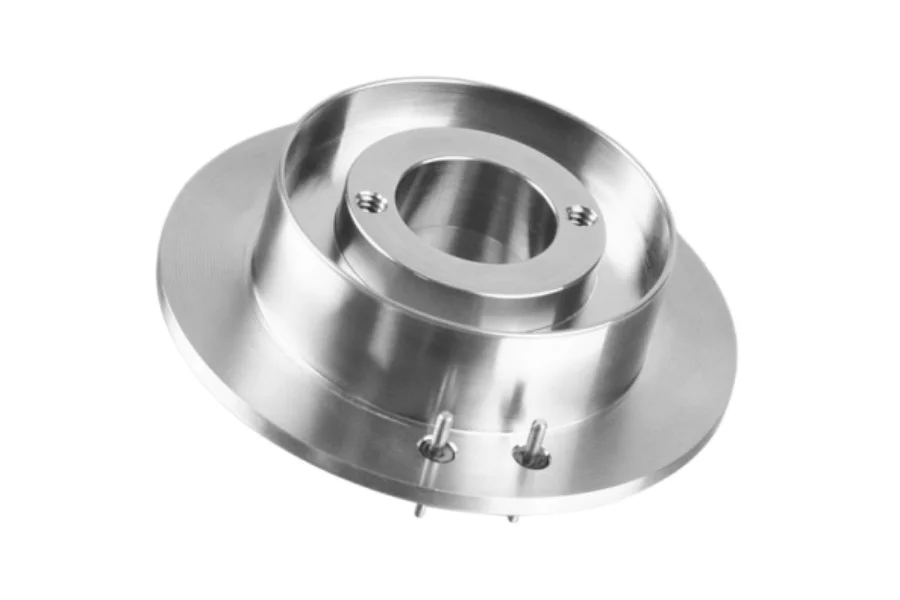
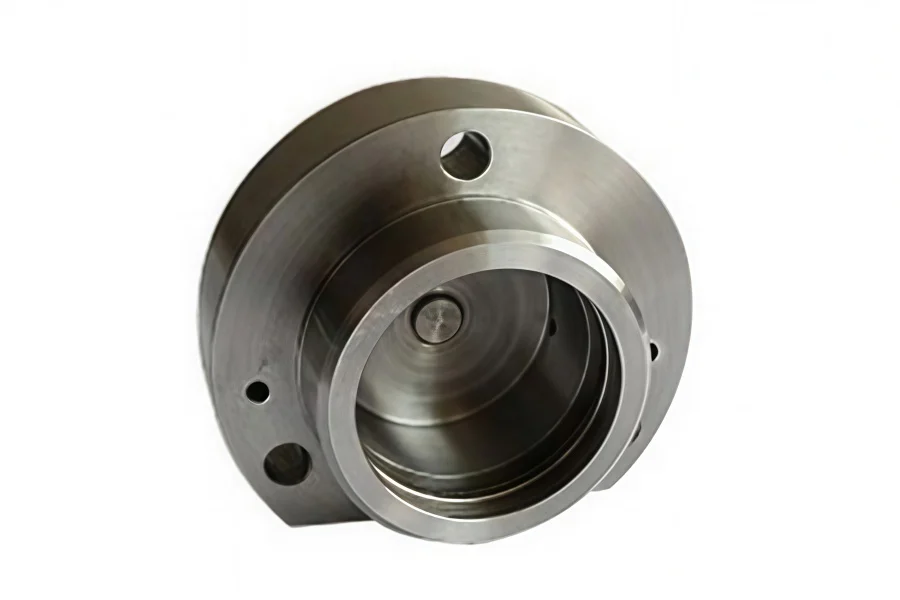
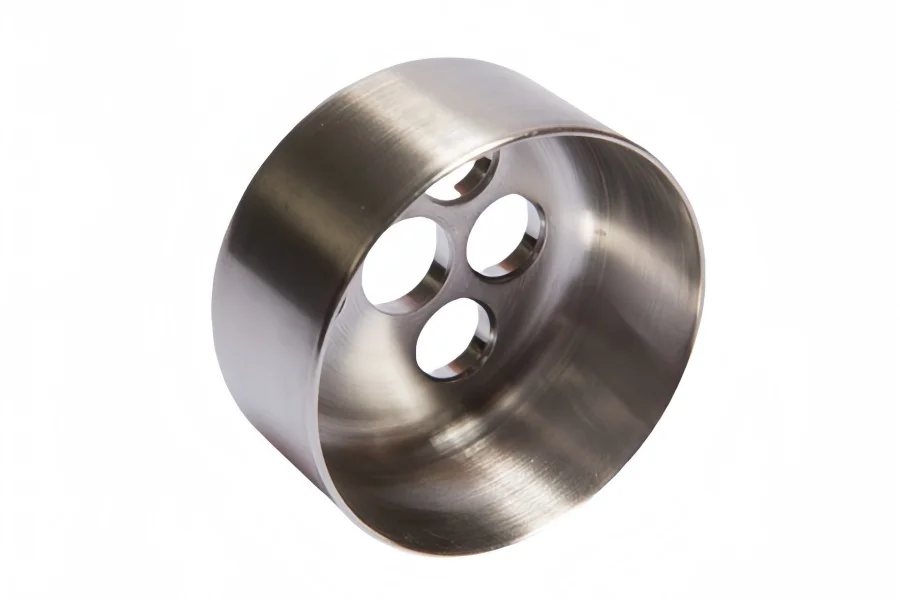
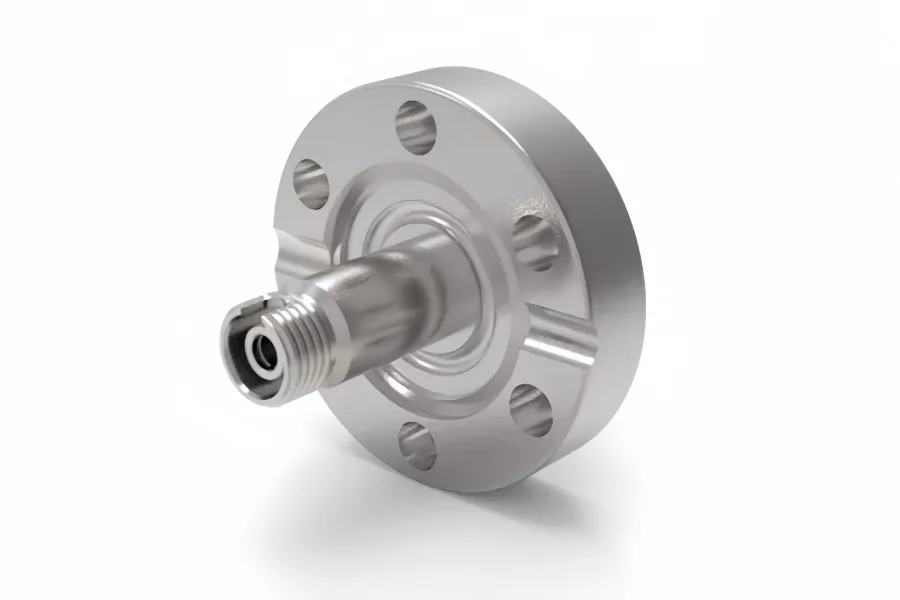
Kovar alloy is a material with limited machinability and a low coefficient of thermal expansion. Xtmade offers custom kovar alloy machining services, providing a variety of high-quality kova alloy parts for various industries.
Your Trusted Partner for Kovar CNC Machining
Xtmade is an ISO 9001:2015 certified Kovar alloy machining manufacturer, capable of providing a wide range of customized parts for various industries. From raw material sourcing and post-processing to final assembly and packaging, our one-stop Kovar alloy CNC machining service offers customers a worry-free and efficient experience. Whatever product or component you need, we can provide customized solutions based on your drawings to meet your diverse requirements. Let's work together to turn your ideas into reality!
What Is Kovar Alloy?
Kovar, also known as ASTM F15, is a nickel-cobalt-iron alloy known for its low and controlled thermal expansion. Its expansion rate closely matches borosilicate glass and ceramics, making it ideal for hermetic seals and precision components used in electronics, aerospace, medical, and industrial applications.
Kovar Alloy Composition
Kovar typically consists of the following elements:
- Nickel (Ni): 29%– Controls thermal expansion and improves corrosion resistance.
- Cobalt (Co): 17%– Enhances thermal stability and mechanical strength.
- Iron (Fe): ~54%– Forms the base of the alloy and influences magnetic properties.
- Silicon (Si): ~0.2%– Improves processing stability and reduces oxidation.
- Manganese (Mn): ~0.5%– Supports melt quality and alloy consistency.
- Carbon (C): ~0.02%– Helps refine grain structure and improve strength.
Kovar Alloy We Machine
We provide precision CNC machining services for Kova alloys used in various high-tech fields. Our manufacturing capabilities cover both standard and controlled-expansion Kova alloys to meet specific thermal expansion and dimensional requirements. Please contact us if you require other special Kova alloys.
Standard Kovar (ASTM F15)
Kovar 4J29
Kovar 4J33
Kovar 4J42
Kovar 4J45
Kovar 4J50
Overcome Kovar Machining Challenges
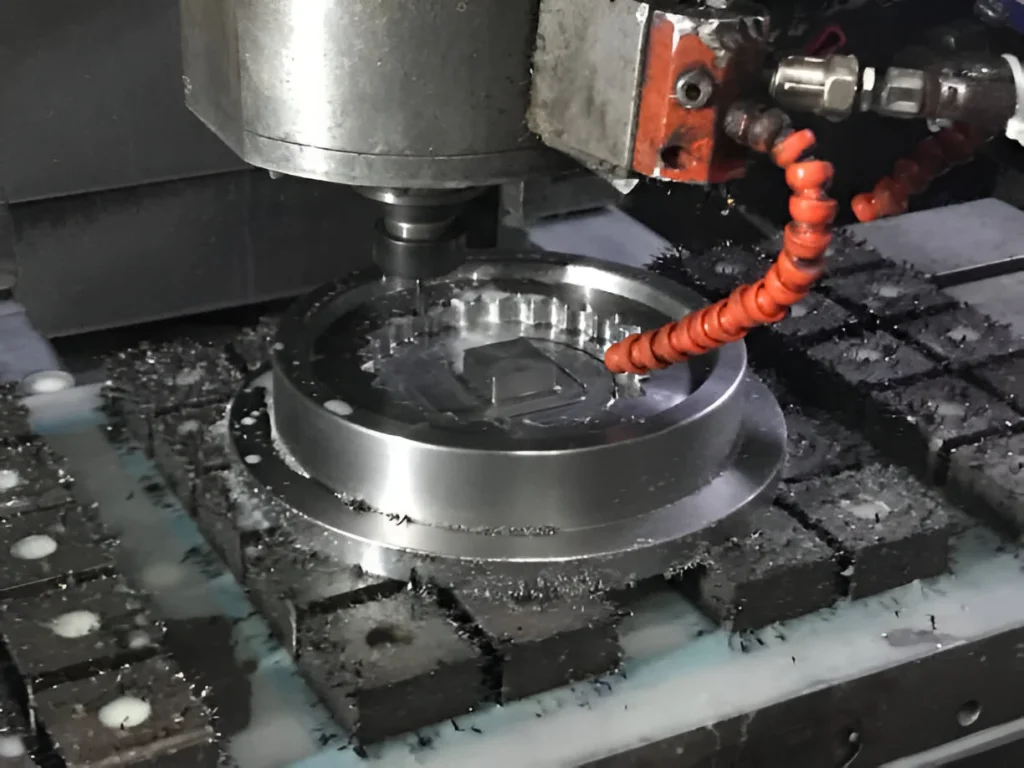
Machining Kovar is a complex task; given its unique material characteristics, we optimize factors such as tooling and cutting parameters to ensure the delivery of reliable Kovar components.
Kovar alloy is susceptible to work hardening during Kovar CNC machining, which increases cutting resistance and tool wear, compromising machining stability. Our engineers continuously adjust cutting parameters to establish settings tailored to specific Kovar components. By employing highly wear-resistant carbide tools and effective tooling strategies, we minimize the impact of work hardening, ensuring high machining efficiency, dimensional accuracy, and superior surface quality.
Machining Kovar alloy produces tough, continuous chips that are difficult to break and evacuate. Accumulation of these chips in the cutting zone can lead to unstable cutting conditions, tool damage, surface scratching, and reduced machining efficiency. Chip evacuation is improved through the selection of appropriate tool geometry, optimization of cutting parameters, and the implementation of effective chip-breaking strategies. Additionally, the proper use of coolant facilitates chip removal and helps control cutting temperatures. These measures help protect the machined surface and ensure consistent surface quality.
Although Kovar exhibits excellent thermal stability in application, the heat generated during CNC machining Kovar can still affect dimensional accuracy—particularly for precision parts with strict tolerances. Excessive heat buildup can lead to thermal expansion during machining and dimensional deviations after cooling. To manage thermal effects, we employ measures such as optimizing cutting conditions, using appropriate cooling methods, and maintaining a stable machining environment. Combined with in-process measurement and dimensional verification, these strategies help minimize thermal deformation and ensure that precision Kovar parts meet tolerance specifications.
Many Kovar components are used in hermetic sealing applications, where the quality of the mating surfaces directly impacts sealing performance. Surface defects, excessive roughness, or machining marks can compromise the reliability of glass-to-metal or ceramic-to-metal bonds. We employ controlled manufacturing processes and appropriate finishing techniques to achieve smooth, consistent sealing surfaces. Critical areas undergo rigorous inspection to verify surface quality and dimensional accuracy, thereby ensuring reliable sealing performance and the long-term stability of the components.
Precision Kovar alloy components often feature small holes, thin walls, and intricate details; burrs arising from these areas can compromise assembly precision and functional performance, while improper deburring risks damaging critical edges or sealing surfaces. We control burr formation by optimizing cutting parameters, selecting appropriate tooling, and implementing suitable post-machining deburring processes. This approach ensures clean edges, precise features, and reliable assembly performance, while strictly meeting the dimensional specifications of the finished Kovar parts.
Our Kovar Machining Solutions
We possess precision Kovar machining capabilities and provide customized Kovar manufacturing solutions. Leveraging our expertise in difficult-to-machine alloys and rigorous process control, we assist clients in producing reliable components characterized by tight tolerances, complex geometries, and stable performance.
Custom Kovar Machining
Production Capability
Micro Precision Kovar Machining
Full-Service Kovar Machining
Types of CNC Kovar Machining We Offer
We select different Kovar machining techniques based on the specific project to achieve superior results and meet the diverse customization needs of our customers.
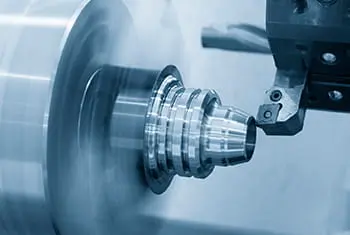
Kovar CNC Turning
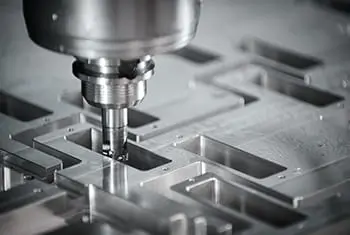
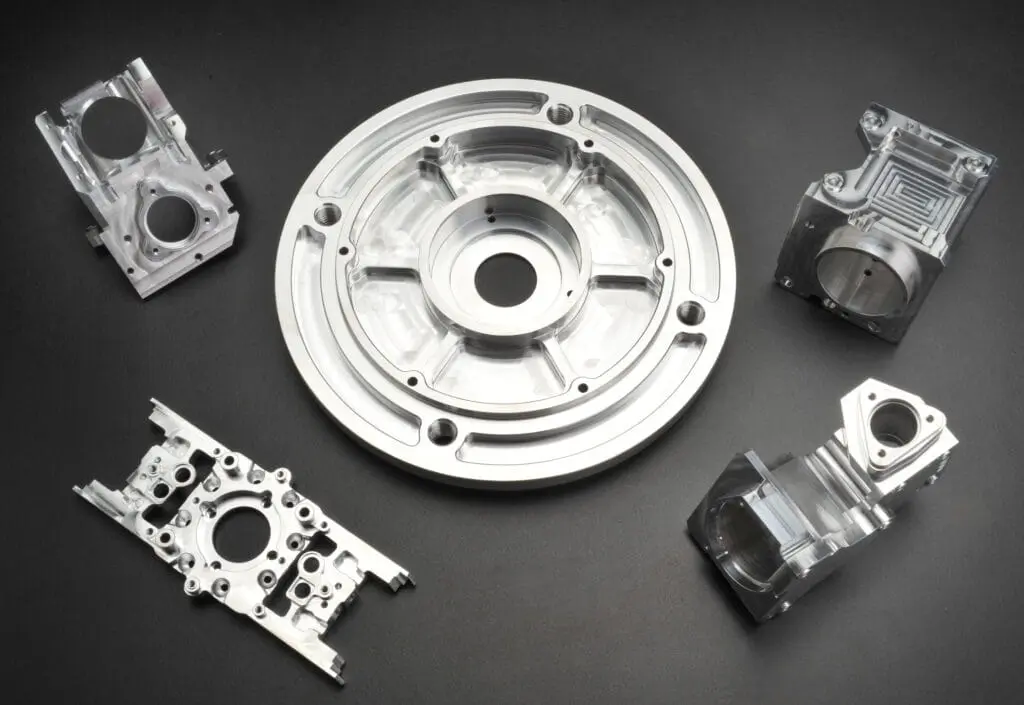
Kovar CNC Milling
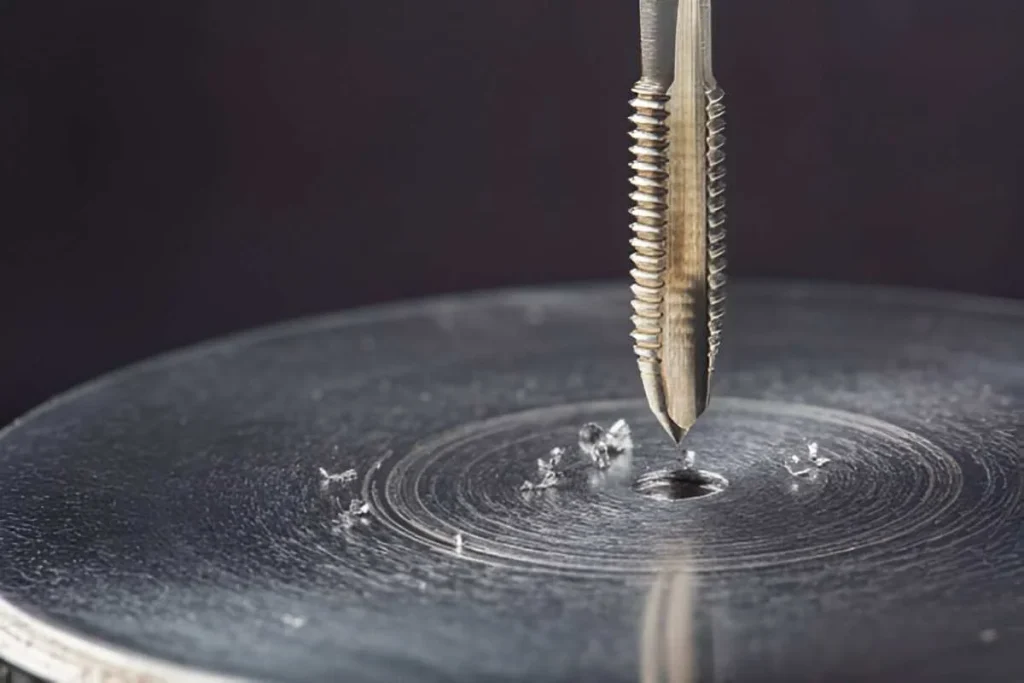
Kovar Drilling
Kovar Wire EDM
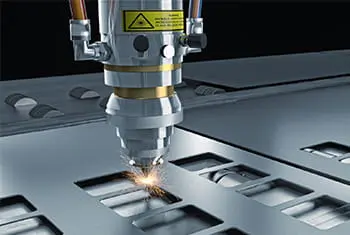
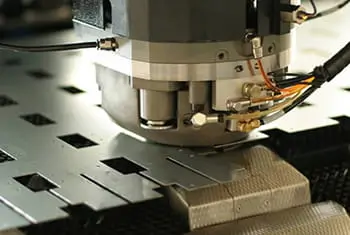
Kovar Laser Cutting
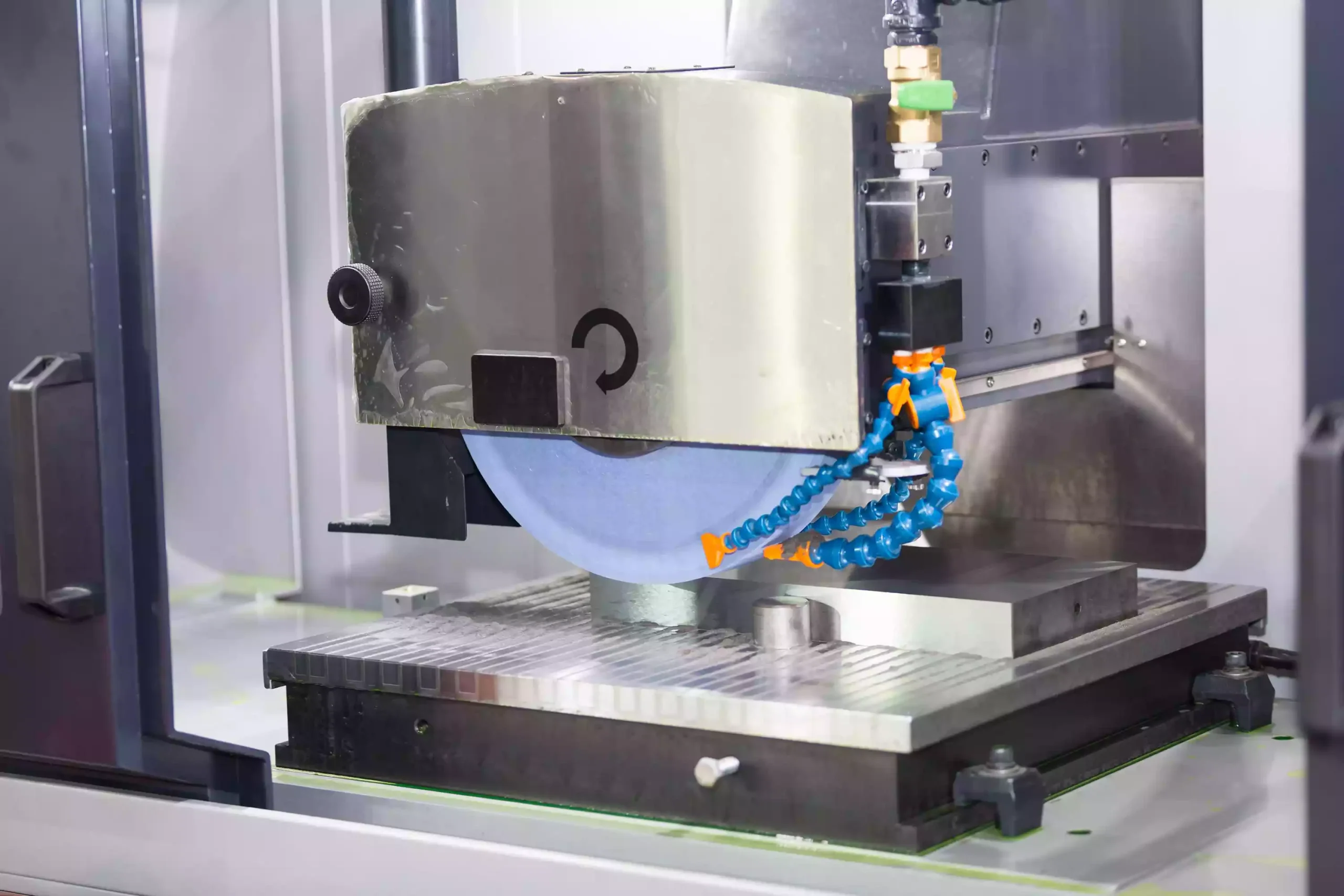
Kovar Grinding
Kovar Prototyping
Low-Volume Kovar Production
High-Volume Kovar Production
Why Choose Kovar for CNC Machining?
Kova alloys offer a variety of advantages, making them an excellent choice for applications with stringent requirements on precision and service life.
Controlled Thermal Expansion
Kova alloys have a coefficient of thermal expansion very close to that of glass and ceramics, preventing cracking or leakage caused by temperature fluctuations.
Excellent Dimensional Stability
Kova alloys maintain stable mechanical properties under varying temperatures, ensuring precise dimensions for critical components such as semiconductor devices, optical systems, sensors, and electronic assemblies.
Low Magnetic Permeability
Kova alloys possess controllable magnetic properties, making them suitable for electronic and medical applications where minimizing magnetic interference is crucial for ensuring reliable performance.
Corrosion and Oxidation Resistance
Kova alloys exhibit excellent corrosion and oxidation resistance, contributing to the long-term reliability of components in harsh operating environments.
Mission-Critical Kovar Machining Service
We provide precision CNC machining for mission-critical Kovar alloy components with extremely high requirements for dimensional control, thermal stability, and material integrity. Our ultra-precision Kovar machining can produce parts with tolerances of ±0.0005 inches. These mission-critical components are widely used in hermetically sealed components, electronic packaging, sensor assemblies, aerospace systems, and other applications with extremely high component reliability requirements.
Engineering Support for Kovar Machining
From a small Kovar CNC machine shop to a specialized manufacturer, we boast a team of highly skilled engineers and technicians—professionals with over a decade of experience in machining special alloy components. We bring deep expertise and practical know-how to the high-precision machining of special alloys, offering unrivaled capabilities in the custom fabrication and machining of high-quality Kovar parts. Beyond fabrication, we provide engineering support—including CAD model optimization and DFM analysis—to help reduce product weight, lower manufacturing costs, and enhance long-term hermetic sealing reliability.
Kovar Machining Facility
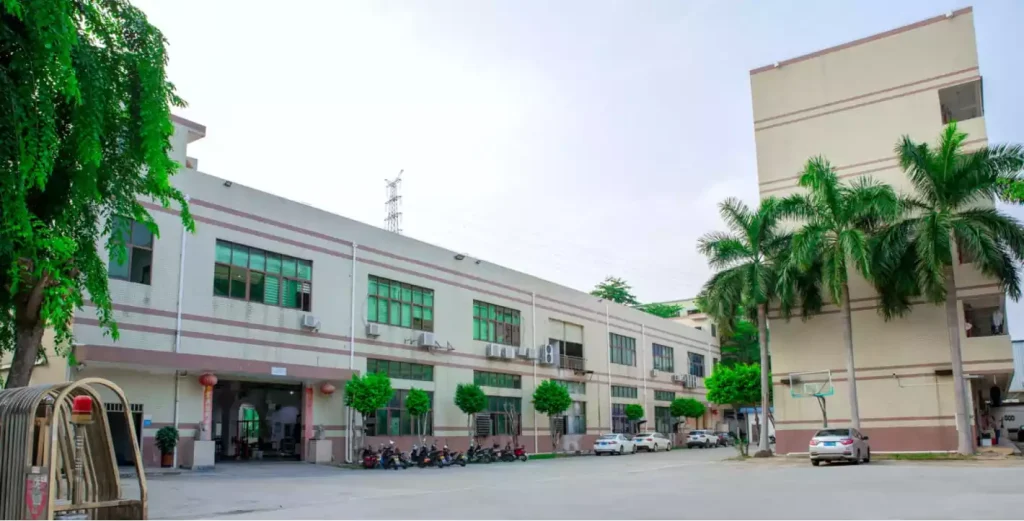
Since its inception, Xtmade has provided online Kovar machining services to clients worldwide, including those in Europe, North America, and Asia. Our Kovar machining facility is equipped with state-of-the-art CNC machinery and staffed by expert engineers and operators. We are dedicated to sourcing and supplying Kovar raw materials that meet ASTM F15 standards; every batch comes with an original Material Test Report (MTR) and a spectral analysis report, ensuring comprehensive support from product design to finished part delivery for our global clientele.
Quality Control
Throughout the manufacturing process, each Kovar component undergoes rigorous quality inspections, including incoming material inspection, dimensional inspection, surface roughness inspection, visual inspection, in-process inspection, final inspection, and sampling inspection, to ensure that the parts maintain stable performance and long-term reliability in harsh application environments.
Seal Interface Inspection
Surface Quality Analysis
Inspection Equipment
Precision Measurement
Hole Geometry Inspection
Final Quality Verification
Why Choose Us
Finishes for Machined Kovar
Years of experience have given us a deep understanding of the specific requirements for machining Kova alloys. We offer a variety of CNC machining surface treatments for Kova alloys to meet our customers’ needs for improved appearance and performance. For other special surface treatments, please contact our engineers.
Bead Blasting
Polishing
Electropolishing
Black Oxide
Passivation
Annealing
Plating
Deburring
Applications
- Hermetic Sealing Components
- Electronic Package Lids and Bases
- Semiconductor Package Components
- Vacuum Tube Components
- X-Ray Tube Components
- RF/Microwave Package Components
- Fiber Optic Hermetic Connectors
- Sensor Housings and Feedthroughs
- Precision Measuring Instrument Components
- Astronomical Telescope Components
- Medical Implant Components
- Pacemaker Components
- Diagnostic Equipment Sealing Components
- Aerospace Sensor Hermetic Seals
- Satellite Communication Components
- Sealed Radar Equipment Components
- Military Electronic Components
- High-Precision Electronic Components
- Capacitor Components
- Gas Turbine Sensor Components
Clients Love
Testimonial
We appreciated the team's technical knowledge and fast response during the project. The final Kovar parts were delivered with excellent accuracy and surface quality.
They provided valuable insights based on their manufacturing expertise to keep the project on track, and delivered Kovar components that exceeded my expectations!
Gallery


Get a Free Quote for Your Kovar Machining Project
Submit your Kovar part drawings, specifications, or requirements. Our engineering team will review your project and provide a fast, customized quote.
FAQ
What Are the Material Properties of Kovar Alloy?
| Property | Typical Value |
| Material Grade | ASTM F15 / 4J29 |
| Composition | Nickel (Ni) ~29%, Cobalt (Co) ~17%, Iron (Fe) Balance |
| Density | 8.36 g/cm³ |
| Thermal Expansion Coefficient | ~5.0 × 10⁻⁶ /°C (30–400°C) |
| Melting Point | ~1450°C |
| Tensile Strength | ~480–550 MPa |
| Hardness | Approximately 150–220 HV (depending on condition) |
| Electrical Resistivity | ~0.49 μΩ·m |
| Key Characteristics | Low thermal expansion, dimensional stability, hermetic sealing compatibility, good machinability |
How Does Kovar Compare With Other Materials?
| Material | Thermal Expansion Matching | Corrosion Resistance | Typical Applications |
| Kovar | Excellent match with glass and ceramics | Good | Hermetic seals, electronic packages, precision components |
| Stainless Steel | Higher thermal expansion | Excellent | Structural parts, general industrial components |
| Titanium | Higher thermal expansion | Excellent | Lightweight and corrosion-resistant components |
| Nickel Alloy | Depends on grade | Excellent | High-temperature and chemical environments |
What Quality Inspection Services Do You Provide?
We provide comprehensive inspection services for Kovar components, including material verification, dimensional inspection, surface finish inspection, in-process inspection, final inspection, and quality documentation. Advanced measurement equipment ensures parts meet specified requirements.
How Long Does Kovar Machining Usually Take?
Machining lead time depends on part complexity, material availability, quantity, and inspection requirements. After reviewing your drawings and specifications, we provide an estimated production schedule and delivery timeline.
Can You Solve Thermal Management Issues During Kovar CNC Machining?
Yes. Kovar machining requires careful heat control due to its thermal sensitivity. We optimize cutting parameters, tooling selection, cooling methods, and machining processes to minimize thermal deformation and maintain dimensional accuracy.
Do You Machine Other Special Materials Besides Kovar?
Yes. In addition to Kovar, we provide CNC machining services for various precision materials, including nickel alloys, titanium alloys, stainless steel, aluminum, copper, and other specialty metals based on customer requirements.
Do You Provide International Shipping for Kovar Parts?
Yes. We support international shipping for Kovar components and provide packaging and logistics solutions to ensure parts are delivered safely and efficiently to customers worldwide.
What Should I Consider When Designing Kovar Parts for Machining?
When designing Kovar components, key considerations include avoiding sharp internal corners by using appropriate radii, minimizing thin walls to reduce deformation risks, considering thermal expansion requirements for mating components, defining critical tolerances clearly, and selecting suitable surface finishes for plating or bonding.
Our engineering team can provide DFM feedback to optimize your design for manufacturability, machining efficiency, and final performance.