Services
Magnesium Machining
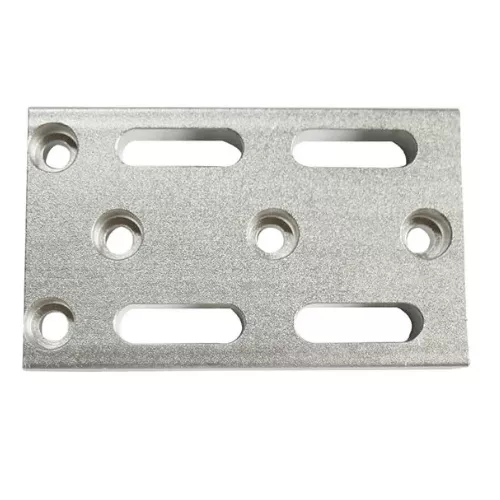
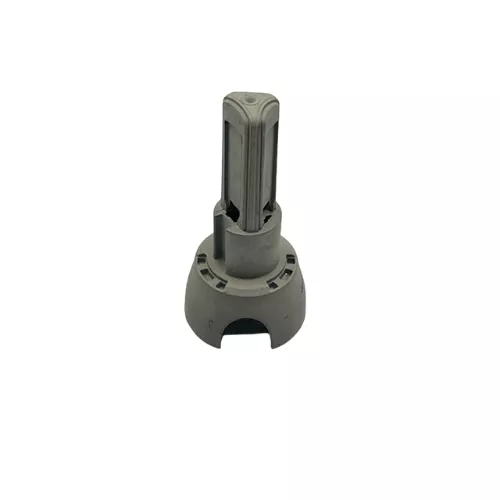
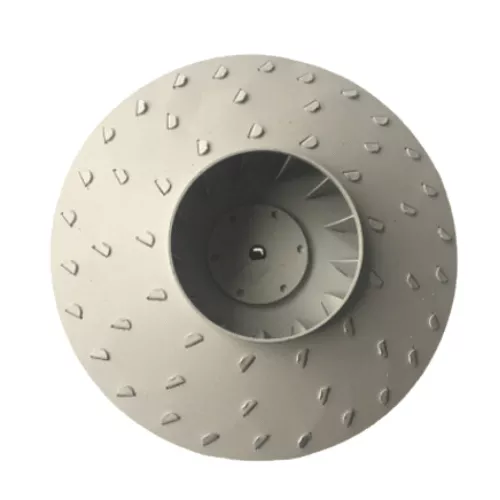
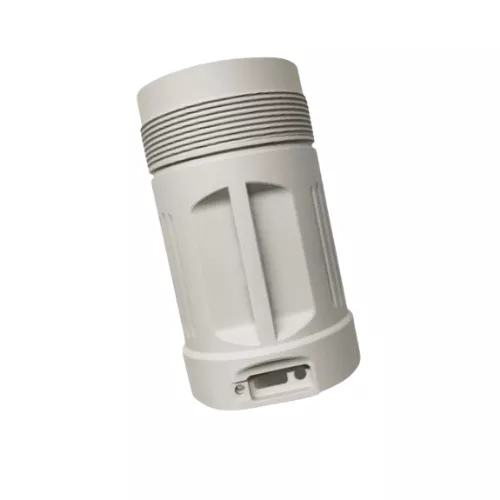
Expert magnesium machining service with optimized cutting strategies, controlled heat generation, and precise dimensional control for lightweight, high-performance components.
Magnesium Machining Suppliers
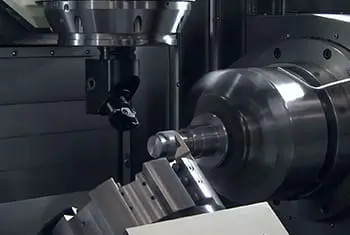
As a one-stop magnesium machining supplier, we provide CNC machining solutions for magnesium alloys where low weight, dimensional accuracy, and reliable performance are essential. Our machining expertise covers components for automotive, aerospace, medical, consumer electronics, and other demanding applications. By adjusting tooling, cutting conditions, and machining methods to the characteristics of magnesium alloys, we can produce intricate geometries and tight-tolerance features with consistent surface quality.
One-Stop Magnesium CNC Machining Services
We support projects from initial prototyping and DFM review through final machining, finishing, and inspection, providing one-stop magnesium machining services throughout the process. Our engineers can recommend suitable machining methods and post-processing options based on the component's design, performance requirements, and production volume. In-process inspections and documented quality controls help maintain dimensional consistency, process stability, and traceability throughout production.
Magnesium Machining Specifications
| Specification | Details |
| Price Range | $$$$$ |
| Lead Time | < 10 days |
| Minimum Wall Thickness | 0.75 mm |
| Machining Tolerances | ±0.005 mm |
| Maximum Part Size | 200 × 80 × 100 cm |
Why Choose CNC Magnesium Machining?
Magnesium alloys offer exceptionally low density, making CNC machining magnesium ideal for components where weight reduction is a priority. They can help reduce overall component weight without sacrificing the required structural performance.
Magnesium alloys generally require lower cutting forces than many common metals, allowing efficient material removal and helping reduce tool loading during CNC machining. With appropriate cutting parameters, this supports efficient and consistent production.
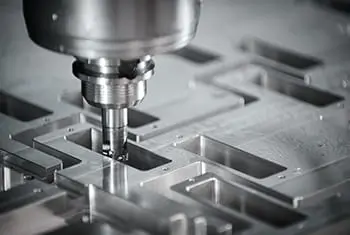
The good machinability of magnesium allows CNC machines to produce intricate features, thin sections, pockets, and other complex geometries with high dimensional accuracy. This makes machining magnesium suitable for lightweight components with demanding designs.
Magnesium alloys provide a favorable strength-to-weight ratio, allowing engineers to achieve the required mechanical performance while keeping component weight low. This is particularly valuable in weight-sensitive applications such as aerospace and automotive equipment.
Magnesium has good natural damping characteristics, helping absorb vibration and reduce noise during operation. This makes magnesium CNC machined components suitable for applications where stability and vibration control are important.
Magnesium alloys can be recycled after use, and machining chips can be collected for material recovery. This provides an opportunity to reduce material waste and support more sustainable manufacturing practices.
Magnesium alloys can provide effective electromagnetic shielding, making them useful for housings and enclosures for electronic equipment where both low weight and electromagnetic protection are required.
Common Magnesium Alloy Grades
We provide magnesium CNC machining services for a wide range of magnesium alloy grades, including AZ31B, AZ61A, AZ91D, AM50A, AM60B, ZK60A, and WE43. As experienced magnesium machining provider, we work with different magnesium alloys to meet specific requirements for strength, weight, machinability, corrosion resistance, and temperature performance.

AZ31B
Good strength-to-weight ratio, good machinability, good formability
AZ61A
Higher strength than AZ31B, good machinability, good corrosion resistance
AZ91D
Good castability, high strength and stiffness, cost-effective
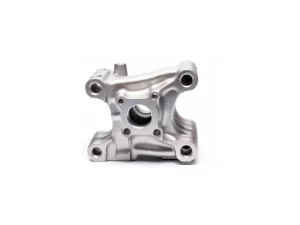
AM50A
Excellent ductility, good impact resistance, moderate strength
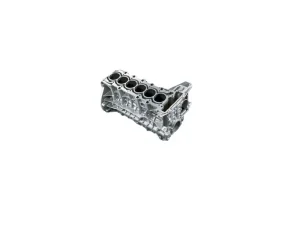
AM60B
Good strength, high ductility, excellent impact resistance
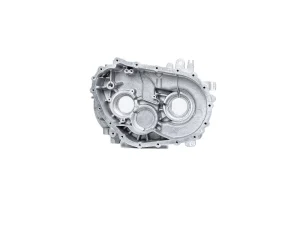
ZK60A
High strength, good fatigue resistance, heat-treatable
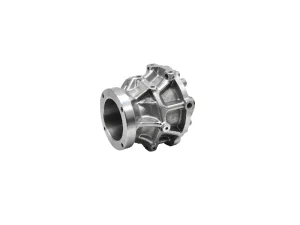
WE43
High-temperature strength, excellent creep resistance, good corrosion resistance
AZ80A
High strength, good fatigue resistance, good machinability, suitable for heat treatment.
Challenges of CNC Machining Magnesium
- Fire Risk from Chips and Dust:Magnesium chips and fine particles can ignite under unfavorable conditions. Effective chip management and proper machining practices are essential to reduce the risk of ignition during CNC machining.
- Heat Control:Cutting generates heat at the tool-workpiece interface, and excessive local temperatures can affect dimensional stability, surface quality, and tool performance. Appropriate cutting conditions and efficient chip evacuation are important for keeping the machining process stable.
- Tool Wear and Selection:Although magnesium alloys are generally easy to machine, unsuitable cutting tools or machining parameters can lead to premature tool wear and inconsistent cutting performance. Tool geometry and cutting conditions need to be selected according to the alloy and part design.
- Burrs and Surface Quality:Magnesium alloys can develop burrs or unwanted surface marks during machining, particularly around sharp edges and thin features. Proper tool selection and finishing strategies are required to achieve clean edges and the desired surface finish.
Overcome Magnesium Machining Challenges
We select sharp carbide cutting tools with suitable rake angles and flute geometries for magnesium alloys. Single- or double-flute end mills can provide efficient chip evacuation, while appropriately designed drills help prevent chip packing and excessive heat during hole machining.
Magnesium alloys allow relatively high cutting speeds and feed rates, but the parameters must be matched to the alloy, tooling, and part geometry. We optimize spindle speed, feed rate, and cutting depth to promote efficient material removal while limiting heat buildup and maintaining dimensional accuracy.
Dry machining and controlled air cooling can be used to remove heat and chips without introducing unnecessary fire or chemical risks. Where lubrication is required, suitable non-water-based cutting oils or minimum-quantity lubrication can be selected according to the machining operation and material requirements.
Continuous chip evacuation is essential when machining magnesium. We use directed air or appropriate chip-removal systems to keep chips away from the cutting zone and prevent accumulation. Machining areas are kept clean, and magnesium chips are collected and handled using appropriate safety procedures.
Thin-wall and lightweight magnesium components require controlled clamping to minimize deformation and vibration. We use balanced fixture support and appropriate clamping forces, avoiding excessive pressure that could distort the workpiece.
For components with thin walls or complex geometries, roughing and finishing are carefully separated to reduce residual stress and distortion. Material is removed progressively, leaving a controlled amount for finishing operations to achieve the required dimensions and surface quality.
Because fine magnesium chips can present a significant fire hazard, appropriate fire-prevention procedures are maintained during machining. Chip accumulation is avoided, and suitable Class D fire extinguishing equipment is provided for metal-fire emergencies. Water and inappropriate extinguishing agents should not be used on burning magnesium.
Magnesium Machining Capabilities
As an experienced provider of precision magnesium machining services, Xtmade combines extensive knowledge with years of experience in machining magnesium. Our established machining processes are adapted to the unique characteristics of these lightweight materials, allowing us to achieve consistent dimensional accuracy, surface quality, and production efficiency. We can handle a wide range of magnesium CNC requirements, including geometries, thin-wall features, and tolerance components. By optimizing tooling, cutting conditions, workholding, and inspection throughout the machining process, we maintain stable results across different production volumes.From prototypes and small batches to larger production runs, Xtmade provides reliable magnesium machining solutions with consistent quality and predictable lead times, helping customers move their components from machining to final delivery efficiently.
Magnesium Machining Safety
Custom magnesium machining requires more than standard CNC process controls. At Xtmade, we apply dedicated machining and safety measures to manage chips, heat, workholding, and material handling throughout production. Our established procedures help maintain stable machining conditions while reducing the risks associated with magnesium alloy processing.
We control chip formation and removal during CNC machining to prevent accumulation around the cutting area and machine enclosure. Collected magnesium chips are handled and stored according to established procedures.
Cutting tools, spindle speeds, feed rates, and machining strategies are selected according to the magnesium alloy and part geometry. We monitor machining conditions to limit excessive heat and maintain process stability.
Our fixtures and clamping methods are adapted to the relatively low stiffness of magnesium alloys, providing stable support for thin-wall and complex components while minimizing deformation and vibration.
Magnesium machining areas are managed with appropriate fire-prevention equipment and procedures for combustible metal residues. Chip accumulation, ignition sources, and housekeeping conditions are controlled throughout production.
Deburring, cleaning, surface treatment, and material handling are performed with processes suited to magnesium components, helping prevent damage, contamination, or unnecessary exposure to machining hazards.
Safety controls are integrated into our machining workflow rather than treated as a separate step. From material preparation and CNC machining to inspection, chip handling, and final packaging, each stage follows controlled procedures for consistent and reliable production.
Custom CNC Machining Services
We offer customized CNC machining services for magnesium alloys, covering prototyping, small-batch production, and mass production to meet various machining needs and part geometries. We can design custom process controls based on different magnesium alloys and parts. From simple parts to complex thin-walled components, we ensure dimensional accuracy, surface quality, and reliable production results.
Finishes for CNC Magnesium Service
Select an appropriate surface treatment process for magnesium components based on the degree of corrosion exposure, wear conditions, coating thickness, appearance, and electrical requirements.
Anodizing
Bead Blasting
Powder Coating
Electroplating
Polishing
Brushing
Why Choose Us
Magnesium CNC Machining Experts
Our team provides online magnesium machining services for customers across a wide range of industries. We are experienced in handling projects of all types, from complex medical equipment to smaller projects for startups, and we provide DFM analysis to help identify potential manufacturing issues early.We work with major suppliers to source various types of magnesium alloys and maintain material availability to support a smooth transition from prototyping to production. Our machinists are trained to handle the unique requirements and potential hazards associated with magnesium machining.We also provide design assistance and have metallurgical engineers available to advise on material-related issues, material selection, and manufacturing or welding considerations. Emergency machining services are also available when needed.
Our CNC Magnesium Machining Factory
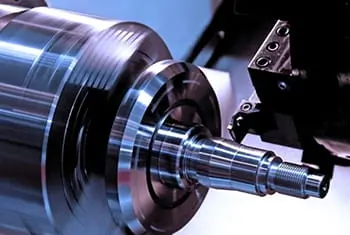
Our CNC magnesium machining factory is equipped with a full range of advanced equipment to support custom magnesium alloy machining projects of all sizes. Our magnesium machining workshop employs professional safety systems and boasts CNC milling machines, CNC turning centers, and multi-axis machining equipment, capable of handling parts of various sizes. Furthermore, we are equipped with dedicated inspection equipment for dimensional verification and process quality control. With comprehensive production facilities and an experienced machining team, combined with precision multi-axis CNC machine tool technology, we can provide stable and efficient magnesium alloy CNC workshop services for various production needs, ensuring that you have everything you require.
Quality Control & Inspection
Our magnesium CNC machining process is supported by a structured quality management system, with inspection and verification carried out from material and drawing review through final inspection and shipment. Our ISO 9001:2015 certification demonstrates our commitment to consistent quality management.
Material & Process Review
In-Process & Dimensional Inspection
Performance Testing
Final Inspection & Traceability
CNC Machining Magnesium Applications
- Lightweight Housings— Lightweight housings for electronics and equipment.
- Gear Housings— Housings for gears and drive systems.
- Motor Housings— Lightweight housings for compact motors.
- Camera Bodies— Precision-machined camera bodies and frames.
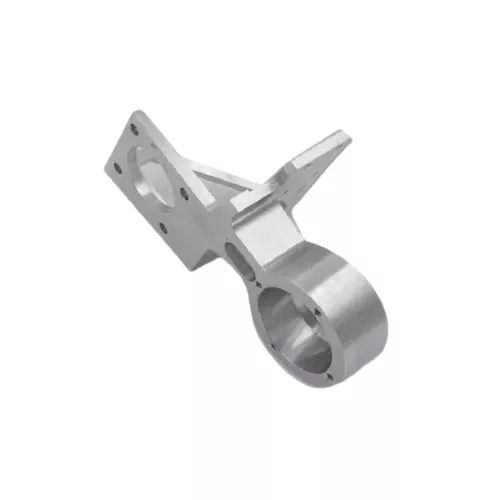
- Brackets & Mounts— Lightweight brackets and mounting components.
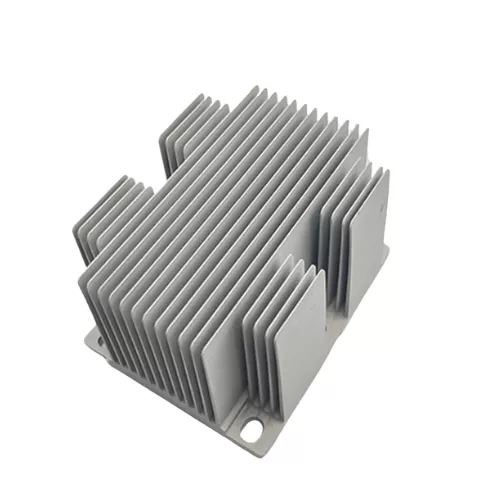
- Heat Sinks— Lightweight components for thermal management.
- Pump & Valve Components— Housings and covers for fluid systems.
- Robotic Components— Lightweight parts for robotics and automation.
Gallery


Get a Magnesium CNC Machining Quote
Send us your drawings, 3D files, material requirements, and quantities to receive a fast, project-specific quote for custom magnesium CNC machining. Our team will review your requirements and provide suitable machining solutions and lead-time information.
Magnesium CNC Machining FAQ
What Surface Protection Options Are Available for Magnesium CNC Machined Components?
Magnesium components can be more susceptible to corrosion than aluminum, so the appropriate surface protection should be considered before production, especially for parts exposed to moisture, salt spray, perspiration, outdoor environments, or dissimilar metals. We can provide conversion coatings, micro-arc oxidation (PEO), painting, and powder coating according to the magnesium alloy, application, and required corrosion protection. Masking can also be specified for threads, mating surfaces, electrical or EMI contact areas, and other features where conductivity, fit, or coating thickness must be controlled. For components using steel inserts or fasteners, we also consider fit, repeated assembly, and potential galvanic corrosion to help ensure reliable long-term performance.
What makes magnesium different from aluminum in CNC machining?
Magnesium alloys have a lower density and generally require less cutting force than aluminum, allowing efficient material removal and reduced tool loading. Their excellent vibration-damping properties can also benefit components where weight reduction and vibration control are important.
How should machined magnesium components be stored?
Finished magnesium components should be kept dry and protected from moisture, corrosive environments, and direct contact with dissimilar metals. For longer storage or shipment, appropriate protective packaging can be used to help maintain the surface condition of the parts.
How long does magnesium CNC machining take?
Lead time varies with part geometry, material availability, order quantity, machining requirements, finishing, and inspection. We provide production schedules based on the specific project and support both rapid prototypes and production orders.
Can you handle magnesium projects from prototypes to mass production?
Lead time varies with part geometry, material availability, order quantity, machining requirements, finishing, and inspection. We provide production schedules based on the specific project and support both rapid prototypes and production orders.
What tolerances can you achieve when machining magnesium?
We can achieve machining tolerances down to ±0.005 mm for precision magnesium components. The achievable tolerance depends on part geometry, material condition, feature size, and machining requirements, with critical dimensions verified through in-process and final inspection.
Do you provide samples and international shipping for magnesium components?
Yes. We can support prototype samples, trial orders, and production quantities according to project requirements. International shipping can also be arranged, with packaging and delivery methods selected based on the component size, quantity, destination, and shipping requirements.