CNC Machining Materials: Types, Properties, Applications & Selection Guide
The material you choose for a CNC machined component can affect almost every aspect of the finished product, from its strength and weight to its machinability, surface finish, accuracy, and cost. With so many options available, choosing between aluminum, stainless steel, steel, brass, copper, titanium, plastics, and other materials can be challenging, especially for custom parts with specific performance requirements.
So, what materials can a CNC machine cut, and how do you know which material is right for your application? In this guide, we explore the most common CNC machining materials, including metals and plastics, along with their properties, advantages, applications, and machining considerations. We also explain how to select a suitable material based on part requirements, operating conditions, performance, and budget, helping you make a more informed decision when sourcing custom CNC machined parts.
What Are CNC Machining Materials?
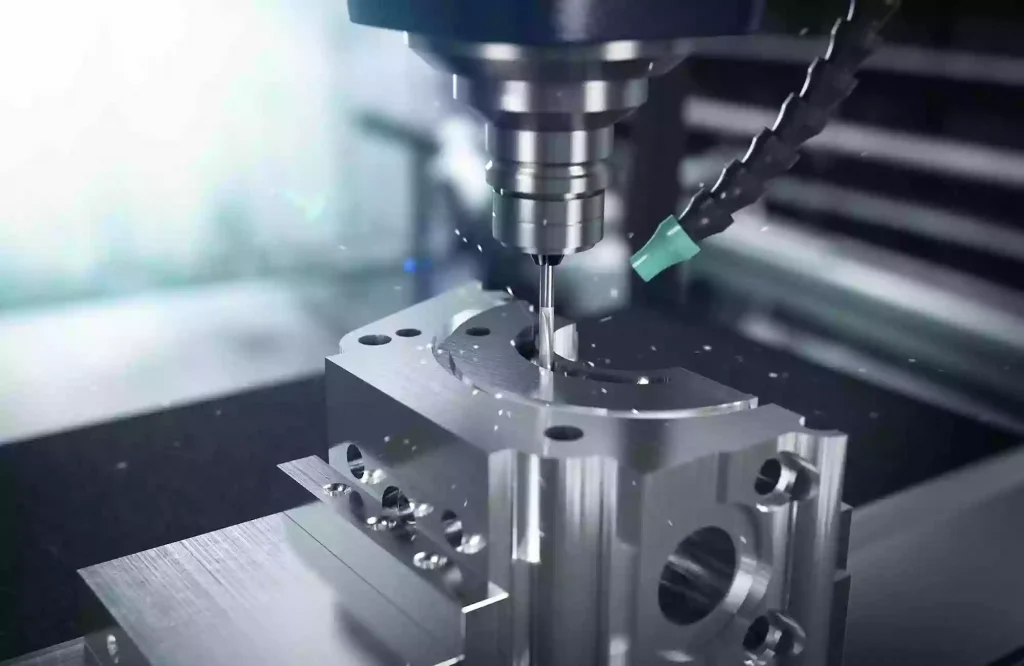
CNC machining materials are the raw materials that can be shaped into components using CNC machining processes. A CNC machine removes material from a solid workpiece with computer-controlled cutting tools to produce the required geometry, dimensions, tolerances, and surface finish.
The range of materials suitable for CNC machining is broad. Metals for CNC machining include aluminum, stainless steel, carbon and alloy steel, brass, copper, titanium, and nickel alloys, while plastics such as ABS, nylon, POM, PEEK, and PTFE are also commonly machined. Each material behaves differently during cutting and offers different characteristics for the finished component.
Material selection is therefore an important part of CNC machining. Properties such as hardness, strength, toughness, density, thermal conductivity, corrosion resistance, and machinability can affect both the manufacturing process and the performance of the finished component. For precision CNC machining and custom applications, the material must also be compatible with the required tolerances, surface finish, operating environment, and production requirements.
The following sections look at the main types of CNC machining materials and what makes each suitable for different applications.
Types of CNC Machining Materials
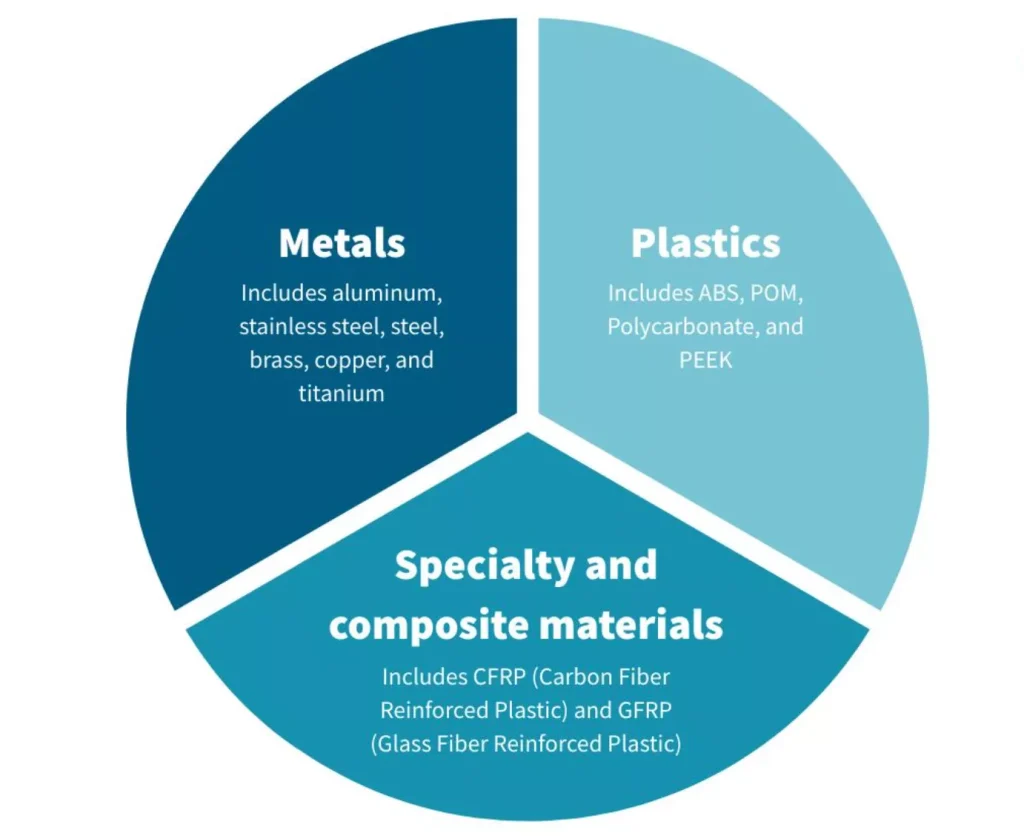
There are different types of materials for CNC machining.CNC machining materials can be classified according to their composition and material characteristics. The two main categories used for CNC machined components are metal CNC materials and plastic CNC materials, with composites and other specialty materials serving more specialized requirements. This CNC material list covers the most common material categories used for custom and precision machining.
Metal CNC Materials
Metal materials are widely used for components that require strength, rigidity, wear resistance, dimensional stability, or resistance to demanding operating conditions. Common material families include aluminum alloys, stainless steels, carbon and alloy steels, copper alloys, titanium alloys, and nickel-based alloys.
Different metal grades can behave very differently during machining and in service. For example, two aluminum alloys may have different strength and machinability, while different stainless steel grades can offer different levels of corrosion resistance and cutting performance.
CNC Plastic Materials
Plastic materials are commonly selected when low weight, electrical insulation, chemical resistance, low friction, or specific dimensional requirements are more important than the strength and rigidity typically associated with metals.
Engineering plastics used for CNC machining include thermoplastics with different levels of strength, temperature resistance, chemical resistance, and machinability. Their relatively low thermal conductivity and stiffness also mean that machining conditions need to be considered carefully.
Composite and Specialty Materials
Composites and specialty materials are used when a component requires a particular combination of properties that conventional metals or plastics cannot provide. Carbon fiber and fiberglass composites, for example, can offer high strength-to-weight ratios, while certain high-performance materials are designed for extreme temperature, chemical, or mechanical conditions.
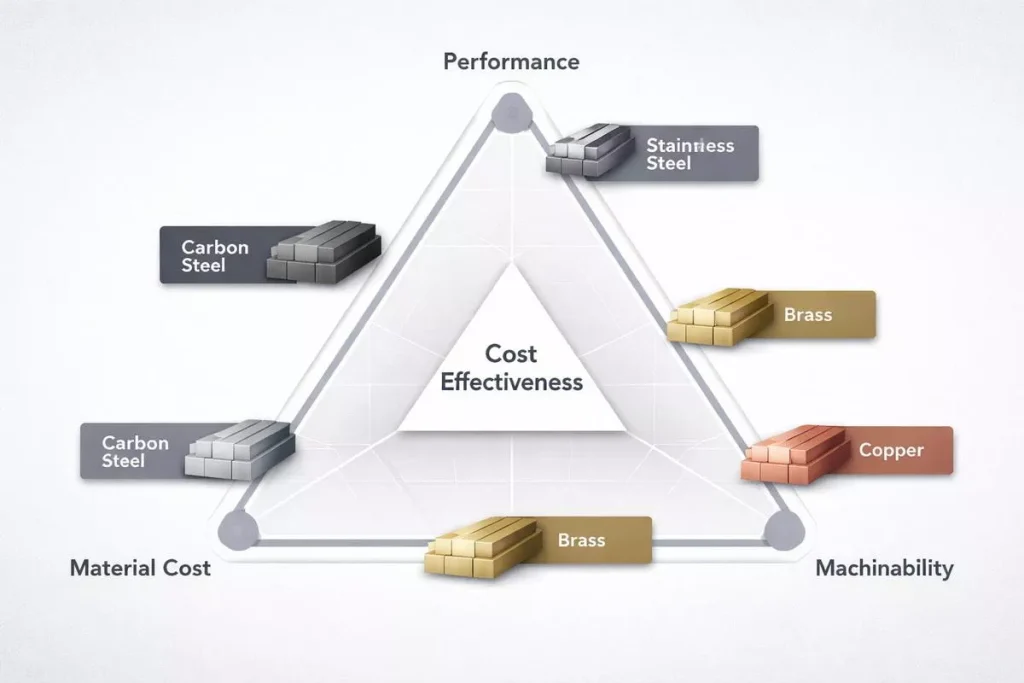
The choice between these material categories depends on the requirements of the finished component. Custom CNC machining materials should be selected based on the balance of performance, machinability, application requirements, and cost rather than material type alone.
What Materials Can a CNC Machine Cut?
CNC machines can process a wide range of materials, with metals and engineering plastics being among the most commonly used options. The material that can be machined depends on its properties, the part geometry, and the available tooling and machining capabilities.
Metal CNC Materials
Common metal CNC materials include:
- Aluminum – lightweight, corrosion resistant, and highly machinable
- Stainless steel – strong, durable, and corrosion resistant
- Carbon and alloy steel – suitable for applications requiring strength and wear resistance
- Brass – easy to machine and commonly used for mechanical and electrical components
- Copper – excellent electrical and thermal conductivity
- Titanium – high strength-to-weight ratio and excellent corrosion resistance
- Nickel alloys – suitable for high-temperature and demanding applications
- Tool steel – high hardness and wear resistance
CNC Plastic Materials
Common CNC plastic materials include:
- ABS
- Nylon
- POM (Delrin)
- PEEK
- PTFE
- Polycarbonate
- UHMW-PE
Composite and Specialty CNC Materials
CNC machining can also be used for certain composite and specialty materials, such as carbon fiber and fiberglass composites. These materials can provide high strength or low weight, but their structure may require specific tooling and machining strategies.
The suitability of a material depends on more than whether a CNC machine can cut it. Material hardness, toughness, thermal properties, chip formation, work hardening, and the required part geometry can all affect machining performance. This is why material selection should be considered together with the component’s functional and manufacturing requirements.
CNC Machining Material Properties
Material properties affect both how a workpiece behaves during machining and how the finished component performs. The most important properties to consider include:
- Hardness: Affects cutting force, tool wear, and wear resistance.
- Strength: Determines the loads a finished component can withstand.
- Toughness: Indicates resistance to impact and fracture.
- Ductility: Influences chip formation, burrs, and deformation during machining.
- Density: Determines component weight and is important for lightweight designs.
- Thermal Conductivity: Affects heat transfer during machining.
- Corrosion Resistance: Determines suitability for moisture, chemicals, and corrosive environments.
- Temperature Resistance: Important for components exposed to high or low temperatures.
- Machinability: Affects cutting performance, tool life, surface finish, machining time, and cost.
The right CNC machining material should provide the required combination of mechanical performance, environmental resistance, and machinability for the finished component.
How to Choose the Right CNC Machining Material?
Choosing the right CNC material starts with the requirements of the finished component rather than the machining process alone. Consider the following factors:
1. Part Application
Determine how and where the component will be used, including its load, operating environment, and service life.
2. Mechanical Requirements
Consider strength, hardness, toughness, wear resistance, and other properties required for the application.
3. Environmental Conditions
Temperature, moisture, chemicals, corrosion, and outdoor exposure can all affect material selection.
4. Weight
For weight-sensitive applications, materials such as aluminum, titanium, or engineering plastics may be preferable to steel.
5. Machinability
Materials with better machinability can generally provide shorter machining times, longer tool life, and more consistent surface quality.
6. Surface Finish and Post-Processing
Consider whether the material is compatible with the required finish, such as anodizing, passivation, plating, painting, or heat treatment.
7. Cost and Availability
Material price, availability, material size, machining difficulty, and production volume can all affect the overall cost.
For custom CNC machining, the best material is the one that provides the required performance while remaining practical to machine and economically suitable for the project.
How CNC Machining Materials Affect Manufacturing
The material selected for a CNC machined component can affect machining efficiency, tooling, accuracy, surface finish, and overall production cost. Materials with different hardness, toughness, thermal properties, and machinability require different machining conditions.
- Machining Time: Materials with lower machinability may require slower cutting speeds and additional machining time.
- Tool Wear: Hard or abrasive materials can increase tool wear and require appropriate tooling.
- Surface Finish: Material characteristics can affect the achievable surface quality and finishing requirements.
- Dimensional Accuracy: Thermal expansion, deformation, and material stability can influence dimensional consistency.
- Manufacturing Cost: Material price, machining time, tool consumption, and material waste can all contribute to the final cost.
For custom CNC machining, considering these factors together helps balance material performance with machining efficiency, quality, and cost.
CNC Machining Materials by Application
Different industries have different requirements for strength, weight, corrosion resistance, temperature resistance, and other material properties. As a result, the most suitable CNC machining materials can vary depending on the application.
Aerospace
Aluminum, titanium, stainless steel, and nickel alloys are commonly considered for aerospace components that require high strength, low weight, corrosion resistance, or temperature resistance.
Automotive
Aluminum, steel, stainless steel, brass, copper, and engineering plastics are used for various automotive components, depending on their structural, mechanical, and environmental requirements.
Medical
Stainless steel, titanium, PEEK, and other engineering plastics are commonly selected for components requiring corrosion resistance, strength, biocompatibility, or chemical resistance.
Robotics
Aluminum, steel, stainless steel, and engineering plastics can be used for robotic components where weight, rigidity, wear resistance, and dimensional accuracy are important.
Electronics
Aluminum, copper, brass, and plastics are commonly used for housings, connectors, heat-related components, and other electronic applications.
Industrial Equipment
Steel, stainless steel, aluminum, brass, and specialty alloys are used for industrial components exposed to mechanical loads, wear, chemicals, or demanding operating conditions.
The right material ultimately depends on the specific component and its operating requirements. A material commonly used in one industry may not necessarily be the best choice for every application.
CNC Machining Material Specifications and Standards
Selecting a CNC machining material involves more than identifying a general material type. The specific grade, temper, condition, and applicable standard can affect the material’s properties, machinability, and suitability for the finished component.
Material Grades
Material grades identify specific compositions and performance characteristics within a material family. For example, 6061-T6 and 7075-T6 aluminum have different strength and application characteristics, while 303, 304, and 316 stainless steel offer different combinations of machinability and corrosion resistance.
Material Standards
Common standards and classification systems include:
- ASTM – Material specifications and testing standards
- AISI – Steel and alloy designations
- ISO – International material and manufacturing standards
- UNS – Unified numbering system for identifying alloys
Material Certification
For custom and precision components, customers may require documentation confirming that the supplied material meets the specified grade and requirements. Depending on the project, this can include material certificates, heat or lot information, and material traceability.
When requesting custom CNC machining, providing the exact material grade and condition helps ensure that the selected material meets the required performance and manufacturing specifications.
CNC Machining Materials for Different Machining Processes
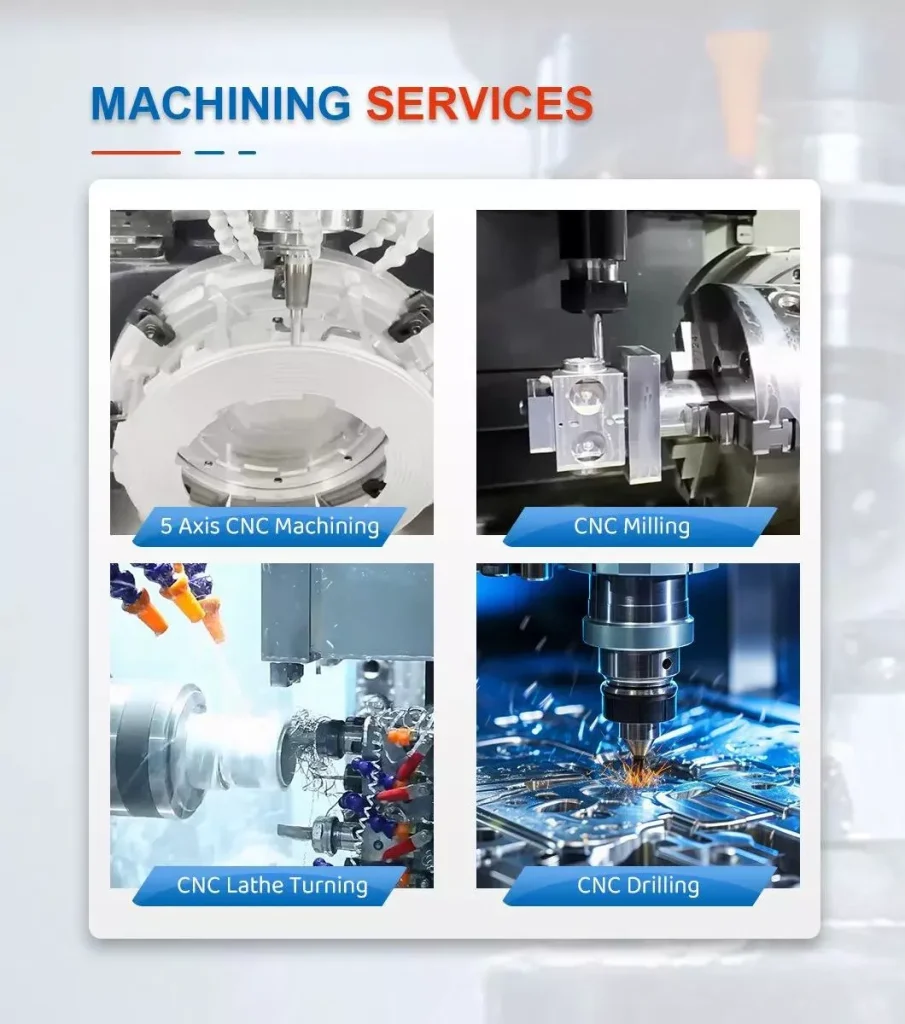
Different CNC machining processes can place different demands on the workpiece and may require different tooling and machining strategies. While many materials can be processed using multiple methods, the most suitable option depends on the material properties, part geometry, tolerances, and machining requirements.
CNC Milling Materials
CNC milling can process a broad range of metals, plastics, and specialty materials. Aluminum, stainless steel, steel, brass, titanium, and engineering plastics are commonly used for milled components.
CNC Turning Materials
CNC turning is commonly used for cylindrical components made from materials such as aluminum, stainless steel, steel, brass, copper, titanium, and engineering plastics.
Swiss CNC Machining Materials
Swiss CNC machining is suited to small, slender, and high-precision components. Aluminum, brass, stainless steel, titanium, and engineering plastics can be machined depending on the part’s size, geometry, and requirements.
5-Axis CNC Machining Materials
5-axis CNC machining can process many of the same material types used in conventional milling. Material selection primarily depends on the component’s mechanical properties, geometry, tolerances, and application requirements.
Custom Material Selection for CNC Machining
Choosing the right material is an important step in producing reliable and functional components. At Xtmade, we work with a wide range of metals, plastics, and specialty materials for custom CNC machining. Our team can review your part requirements and help determine a suitable material based on the component’s application, performance requirements, tolerances, quantity, and production needs.
Whether you need a prototype or production components, you can provide your drawing or 3D CAD file along with the required material grade and specifications. We will review the project and provide a suitable manufacturing solution based on your requirements.
CNC Machining Materials FAQ
What is the most common material for CNC machining?
Aluminum is one of the most commonly used CNC machining materials because it offers a good combination of low weight, strength, corrosion resistance, and machinability. However, the most suitable material depends on the specific part requirements.
What is the best material for CNC machining?
There is no single best material for every application. The right choice depends on required strength, weight, corrosion and temperature resistance, machinability, tolerances, surface finish, and cost.
Are CNC machining materials available in different grades?
Yes. A material family can contain multiple grades with significantly different properties. For example, 6061-T6 and 7075-T6 are both aluminum alloys but have different performance characteristics and applications.