CNC Machining Equipments
Xtmade is a precision custom manufacturing company with a CNC machining facility equipped with a wide range of CNC machinery and inspection systems, capable of meeting diverse customer requirements. Our equipment enables us to provide global clients with complex parts, high-precision tolerances, and reliable, repeatable production services.
Our CNC Machining Factory
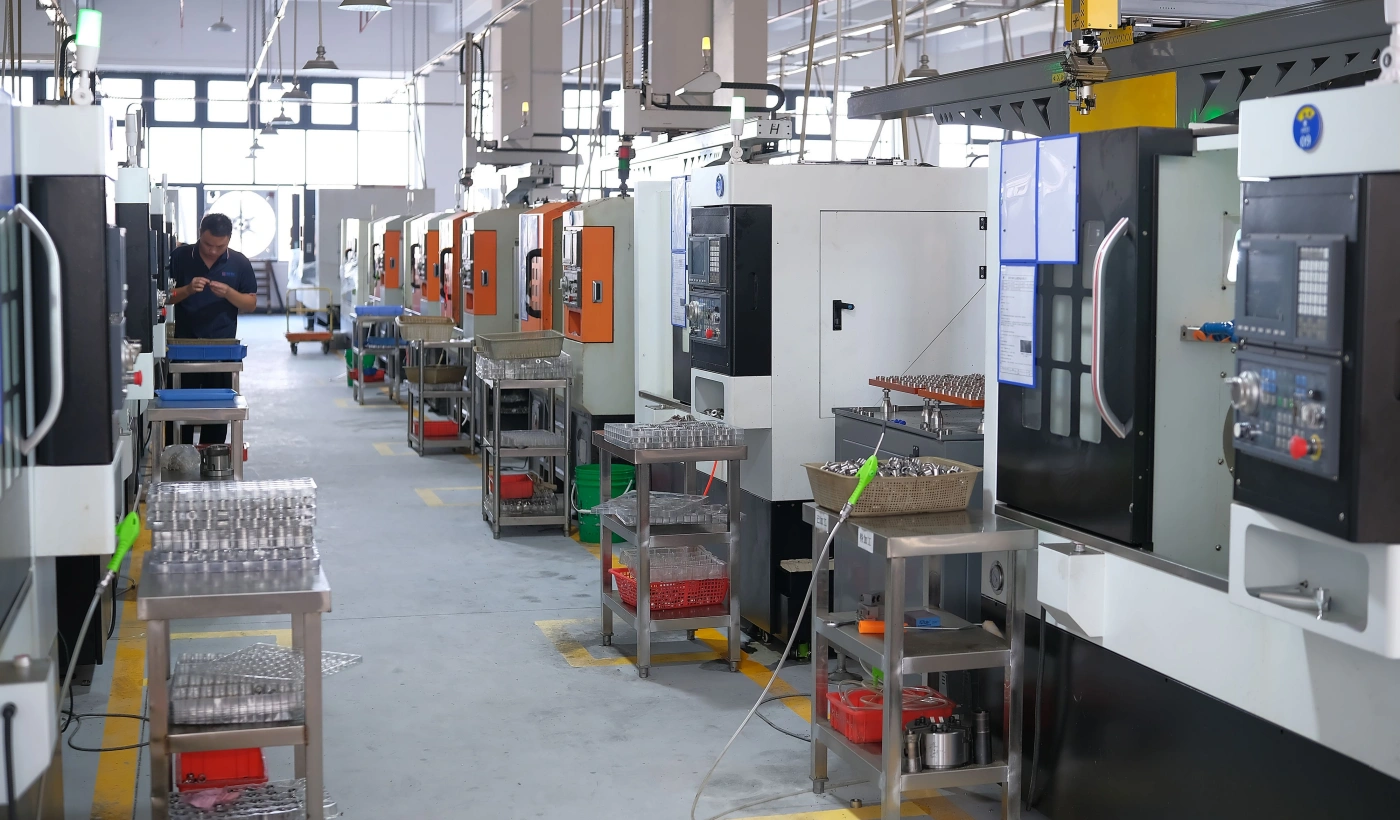
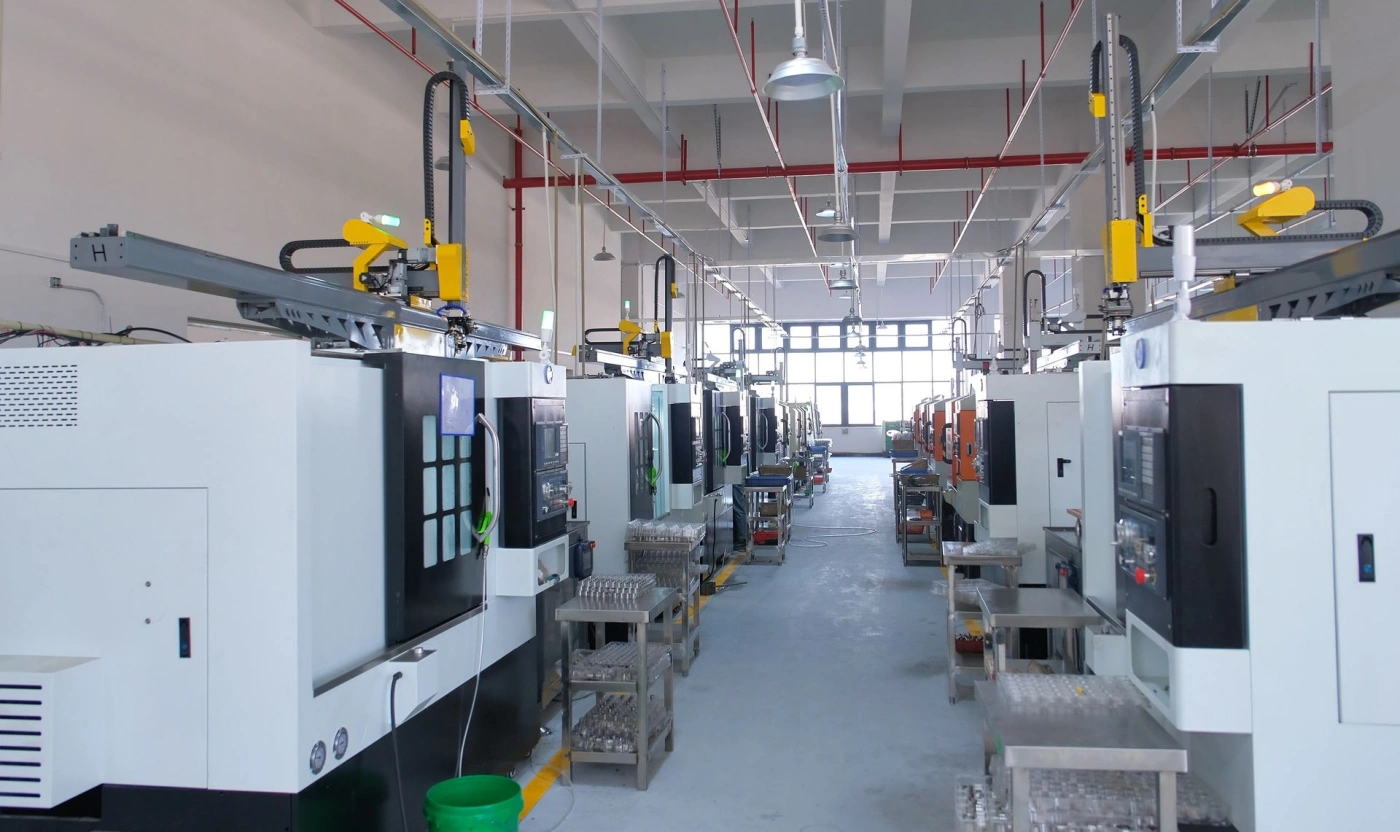
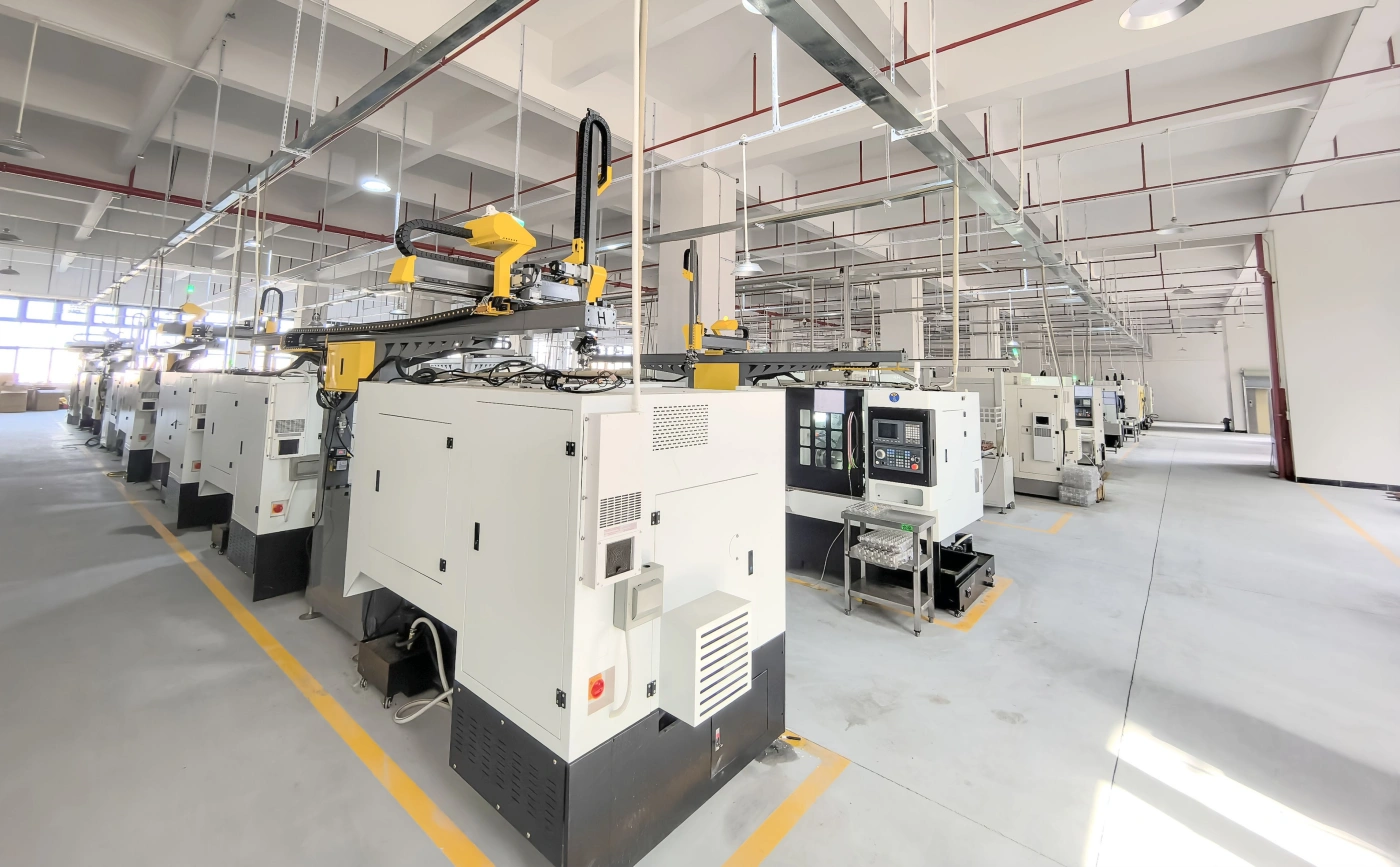
Xtmade operates multiple production facilities in Shenzhen, China, spanning a total area of approximately 70,000 square feet. Our CNC machining workshop serves as a core production facility, equipped with machinery that supports a wide range of processes to meet the requirements for custom-manufactured parts. The workshop’s capabilities include CNC milling, turning, mill-turning, large-scale machining, and grinding. Backed by an experienced engineering team and skilled production staff, we manufacture components based on client-provided drawings, CAD models, and technical specifications.
Engineers
Staffs


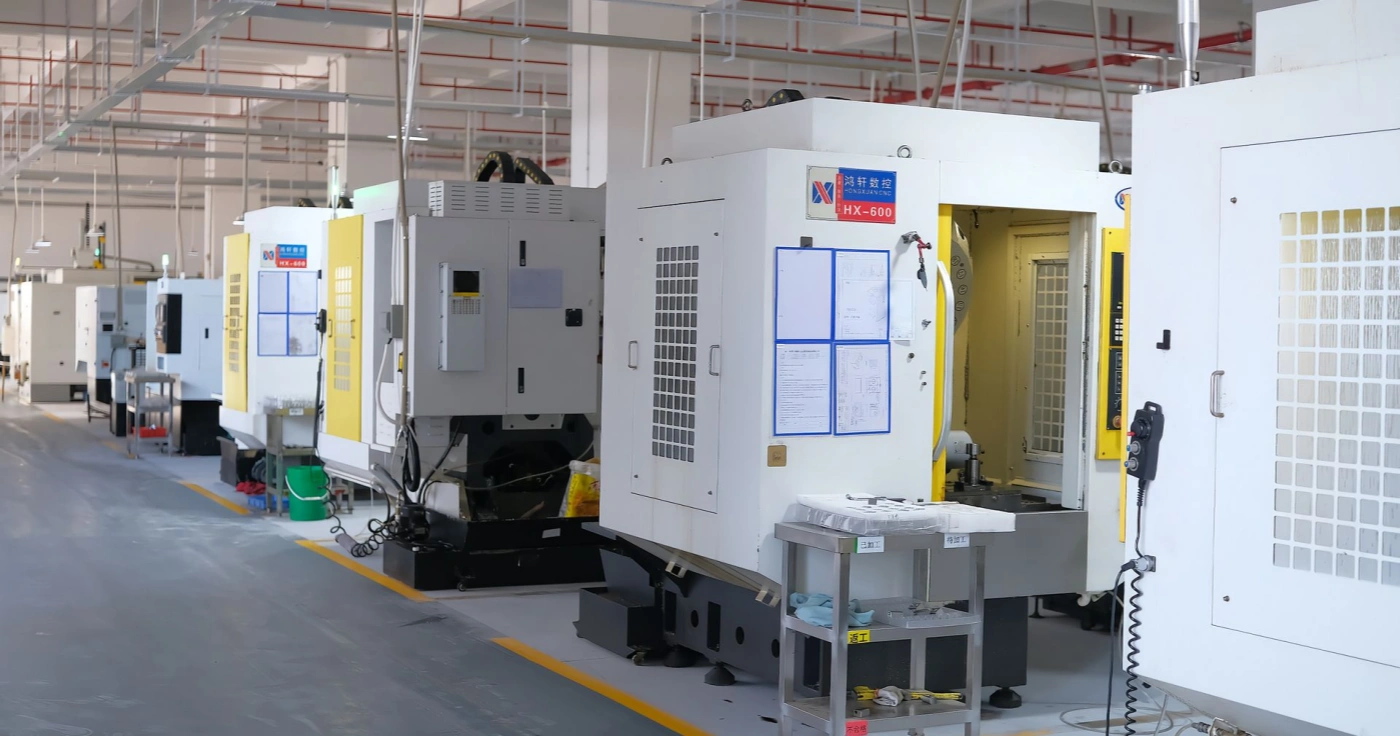
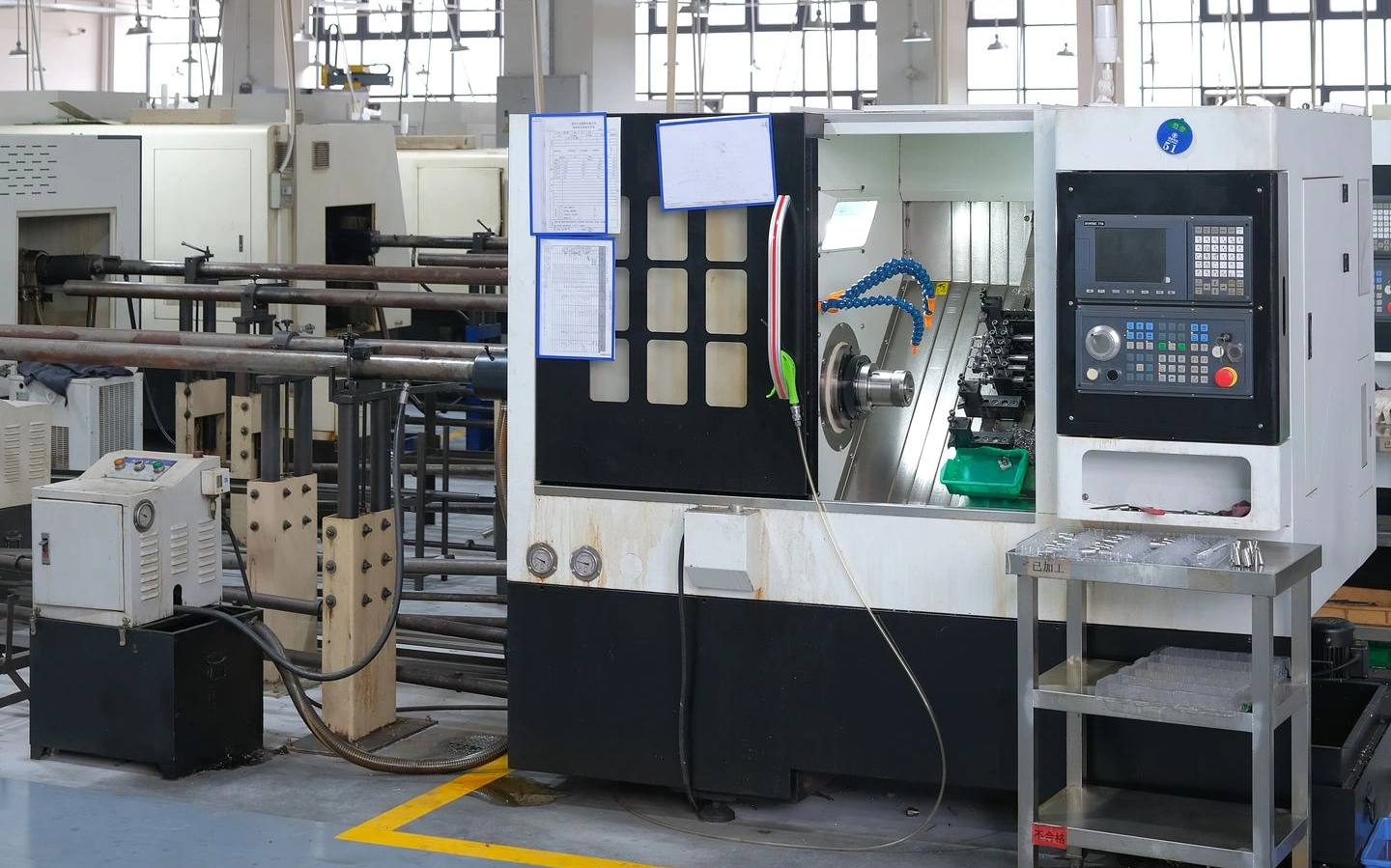
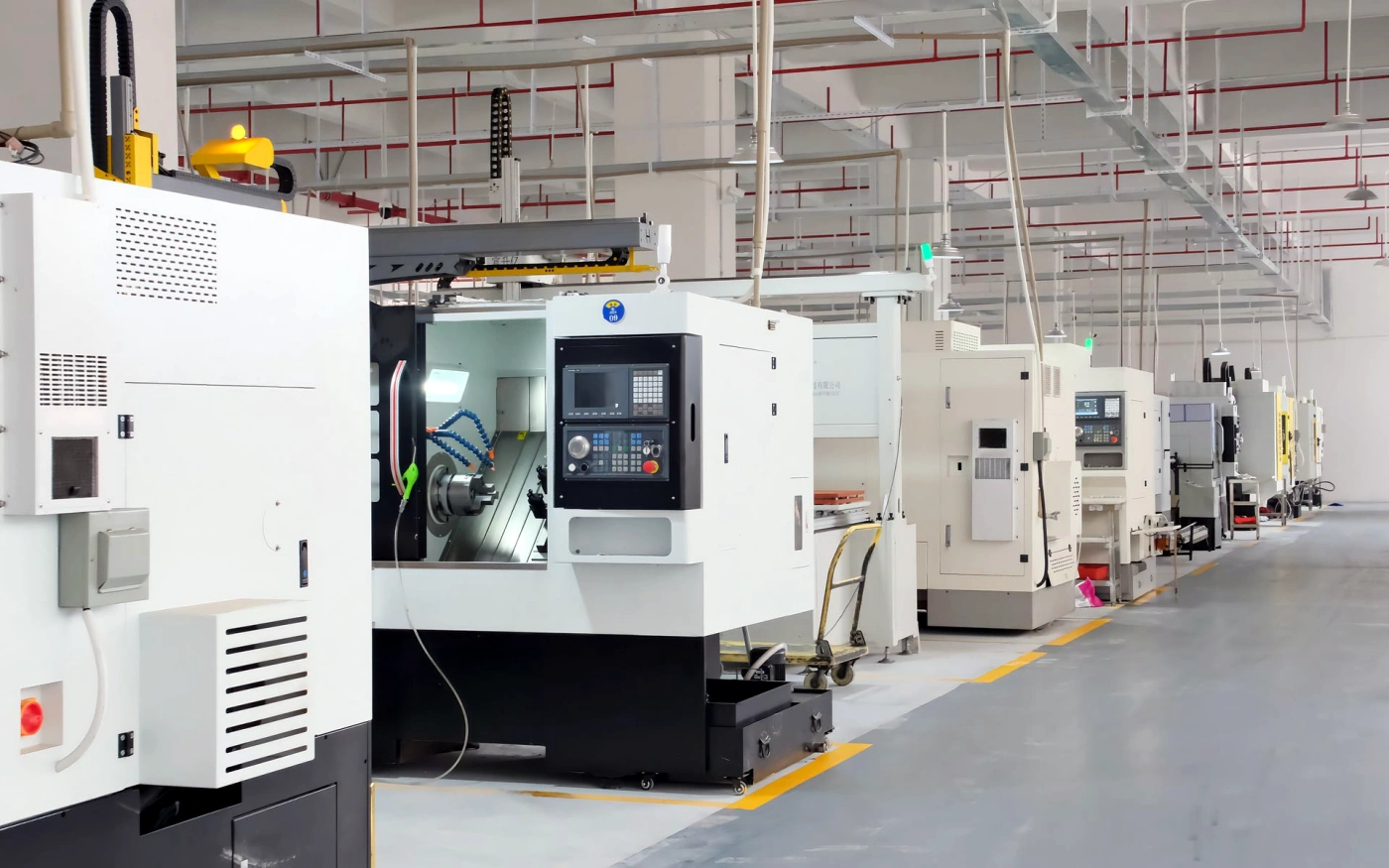
CNC Machines Display from Our Manufacturing Workshop
Explore the CNC machining equipment used across our production operations, including milling machines, turning centers, mill-turn systems, and large-scale machining equipment. These machines support the manufacture of custom components with varying geometries, dimensions, and precision requirements.
Equipment for Different CNC Machining Requirements
Explore the CNC machining equipment used across our production operations, including milling machines, turning centers, mill-turn systems, and large-scale machining equipment. These machines support the manufacture of custom components with varying geometries, dimensions, and precision requirements.
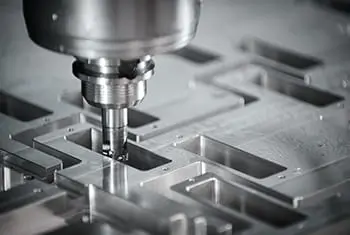
3-Axis CNC Milling Machines
Used for manufacturing flat, prismatic, and general mechanical components, including plates, brackets, housings, fixtures, and mounting blocks. These machines provide an efficient solution for parts with features accessible from multiple directions through conventional setups.
- Suitable for flat surfaces, pockets, slots, and drilled features
- Supports aluminum, stainless steel, alloy steel, and engineering plastics
- Well-suited for prototypes and repeat production
4-Axis CNC Machining Centers
Equipped with rotary-axis capability, 4-axis machining centers handle components that require machining on multiple sides, cylindrical surfaces, and angular features. Rotary positioning helps reduce repeated clamping and maintain the positional relationship between machined features.
- Suitable for radial holes, angled features, and multi-side machining
- Reduces repositioning during complex machining operations
- Applicable to mechanical housings, shafts, and industrial components
5-Axis CNC Machining Centers
Designed for complex geometries that require simultaneous multi-axis machining, including curved surfaces, compound angles, deep cavities, and intricate contours. Five-axis machining allows multiple features to be completed in fewer setups, helping control geometric relationships across different surfaces.
- Handles complex contours and multi-angle features
- Reduces setup changes for intricate components
- Suitable for robotics, automation, aerospace, and precision machinery components
Horizontal CNC Machining Centers
- Suitable for large housings and box-type components
- Supports multi-face machining and deep internal features
- Useful for industrial machinery and automation components
Large Gantry CNC Machining Centers
Large-format gantry machining equipment accommodates oversized workpieces that exceed the working envelope of conventional machining centers. These machines support the machining of large plates, frames, machine bases, structural components, and other industrial parts.
- Handles large workpieces and extended machining surfaces
- Supports milling of structural profiles, pockets, and mounting features
- Suitable for construction machinery, industrial equipment, and automation structures
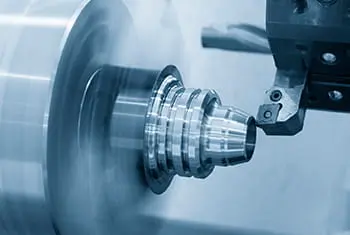
CNC Turning Centers
CNC turning equipment is used to manufacture rotational components such as shafts, bushings, sleeves, pins, threaded parts, and cylindrical connectors. Turning operations establish diameters, shoulders, grooves, threads, and other rotational features with controlled concentricity and dimensional accuracy.
- Supports external and internal turning operations
- Suitable for stepped shafts, threaded features, and precision bores
- Processes metal and engineering plastic components
CNC Mill-Turn Centers
Mill-turn equipment combines turning and milling operations within one machine setup. It is particularly useful for components that have both rotational profiles and milled features, such as cross-holes, flats, slots, and off-center details.
- Combines turning, milling, drilling, and other machining operations
- Reduces transfers between separate machines
- Helps maintain alignment between turned and milled features
CNC Grinding Machines
Grinding equipment is used for the precision finishing of surfaces and cylindrical features. Depending on the geometry of the part, various grinding processes can be employed to machine external cylindrical surfaces, internal bores, flat surfaces, or precise contours.
- Supports surface, cylindrical, internal, and centerless grinding
- Improves dimensional accuracy and surface finish
- Suitable for hardened steel, tool steel, stainless steel, and other grindable materials
EDM Machines
EDM machines are used for precision machining of conductive materials through electrical discharge. They are particularly suitable for producing intricate cavities, narrow slots, sharp internal corners, and complex profiles that are difficult to achieve with conventional cutting tools.
- Suitable for intricate cavities and narrow slots
- Handles hardened conductive materials
- Supports precision tooling, dies, molds, and custom components
CNC Equipment Maintenance & Calibration
At Xtmade, CNC equipment is maintained and checked regularly to support stable machining performance. Routine maintenance helps identify equipment wear and potential issues, while calibration and accuracy checks help verify machine positioning and measurement reliability. These practices help maintain consistent machining conditions and reduce the risk of equipment-related quality deviations.
Ways
Routine Maintenance
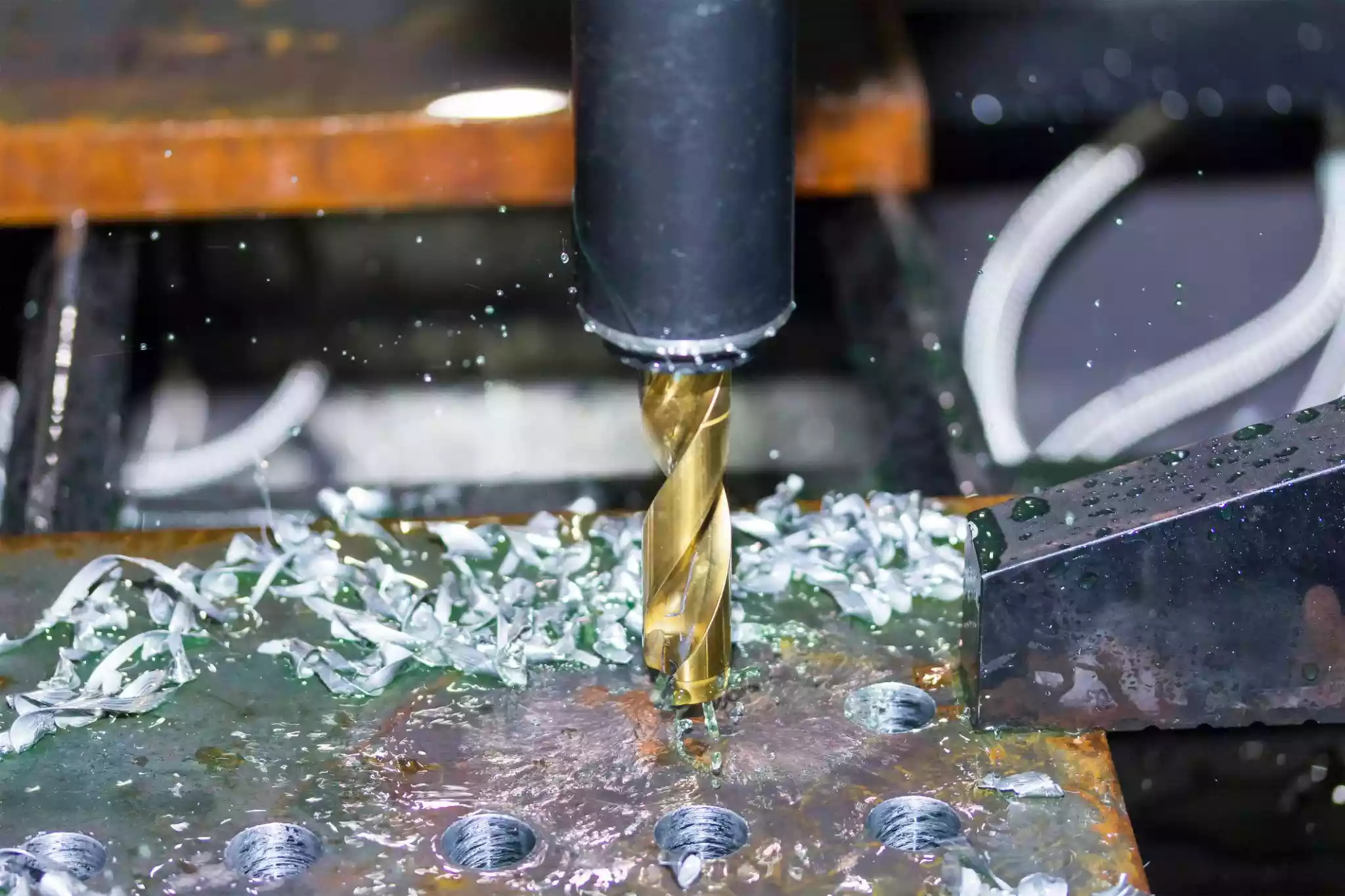
Regular inspection of machine components, lubrication systems, coolant levels, and operating conditions.
Equipment Calibration
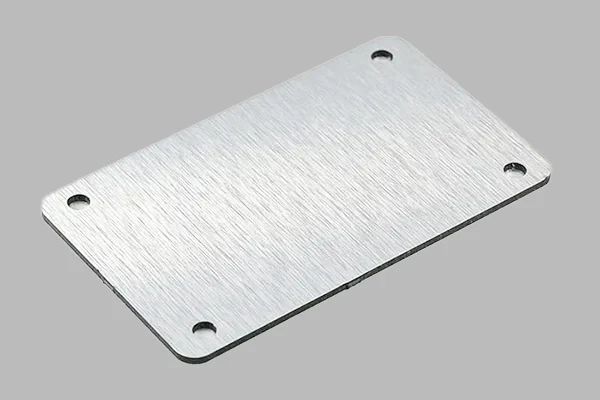
Periodic verification of machine positioning, axis accuracy, and measurement systems to maintain machining precision.
Performance Monitoring
Monitoring machine operation, vibration, temperature, and cutting performance to identify abnormal conditions.
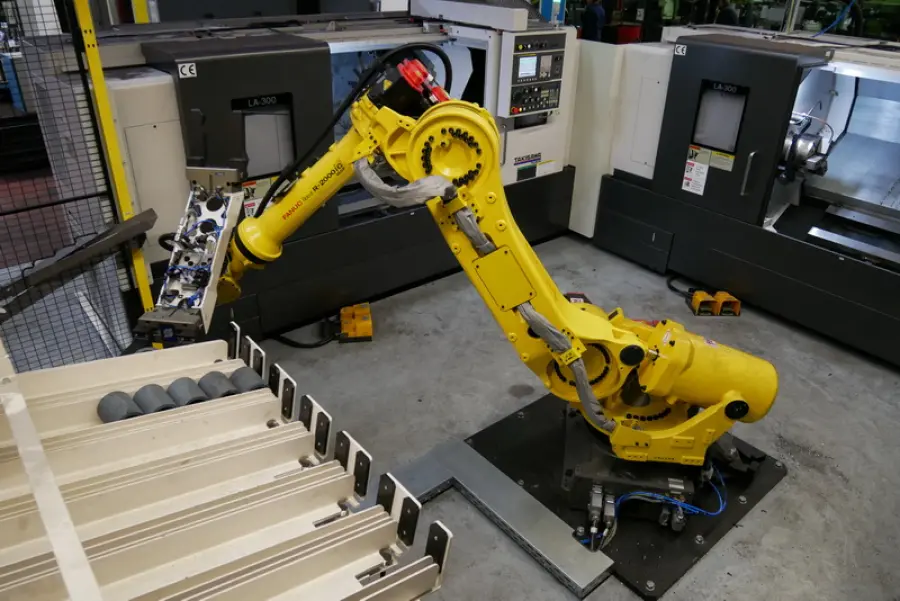
Preventive Maintenance
Scheduled replacement of wear-prone components and servicing of critical systems to reduce unexpected downtime.
Tooling & Spindle Inspection
Checking spindle runout, tool holders, and tool clamping conditions to maintain machining stability.
Electrical & Control System Checks
Inspecting electrical connections, control systems, sensors, and safety functions to ensure reliable machine operation.
How Our Equipment Supports Precision Manufacturing
Our CNC equipments are selected and configured to handle different part geometries, machining requirements, and production challenges. The combination of multi-axis machining, turning, large-format machining, and grinding allows us to address a wide range of custom manufacturing needs.
- Complex Geometry Machining: Multi-axis equipment minimizes the need for repeated setups, enabling the machining of complex curved surfaces and multi-faceted parts.
- Large-Part Manufacturing: Large-scale machining equipment accommodates substantial structural components, frames, and equipment bases.
- Integrated Machining Processes: A combination of milling, turning, turn-milling, and grinding processes is used to complete the machining of parts.
- Consistent Production Quality: Rigorous process control and inspection ensure dimensional consistency across repeat orders.
Parts Manufactured with Our CNC Equipment
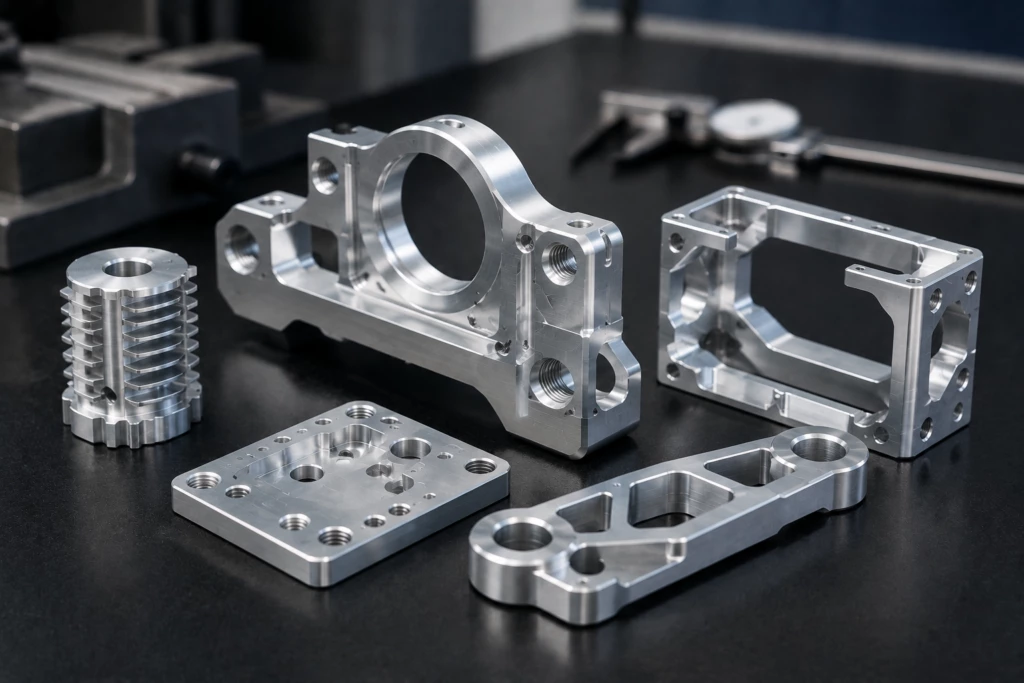
Our advanced CNC machines produce custom parts of every kind, from structural components and precision shafts to mission-critical parts. With micron-level accuracy and uncompromising quality standards, we deliver reliable CNC machining solutions for a wide range of industries.
Valve body
Drum
Countertop
Connection flange
Rotor
Elbow
Precision Inspection for Reliable Part Quality
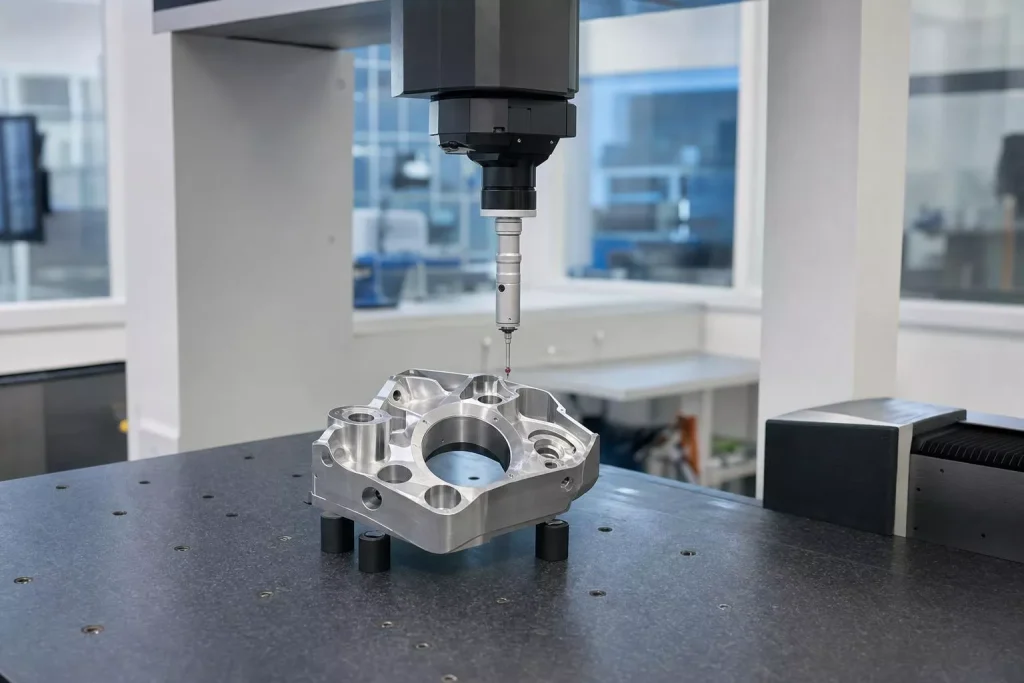
We have a dedicated quality inspection department that utilizes precision measuring instruments and testing equipment, along with specialized inspection procedures, to verify the dimensional accuracy and product consistency of custom components.
Coordinate Measuring Machine (CMM)
Provides three-dimensional dimensional inspection for complex geometries, positional tolerances, and critical features.
2D Optical Measurement
Uses optical imaging to measure small components, profiles, hole positions, and fine geometric details.
Surface Roughness & Hardness Testing
Evaluates surface finish and material hardness to verify compliance with specified technical requirements.
Final Quality Inspection
Checks finished components against drawing requirements before packaging and shipment, with inspection records maintained for traceability.
Let's Build Your Part
Share your email and send us your drawings. We'll respond within 24 hours.
Frequently Asked Questions About Our CNC Machines
What types of CNC machining equipment does Xtmade operate?
Xtmade operates 3-axis, 4-axis and 5-axis CNC machining centers, CNC turning machines, large-format machining equipment and secondary processing equipment to handle a wide range of custom manufacturing requirements.
What is the difference between your 3-axis, 4-axis and 5-axis CNC machines?
Our 3-axis machines handle conventional milling operations, while 4-axis machines enable additional rotational machining. Our 5-axis machining centers can process multiple faces, angled features and complex geometries with fewer setups.
What is the maximum machining size of your CNC equipment?
Our large-format CNC milling equipment supports workpieces up to 1500 × 1200 mm, while CNC turning machines accommodate diameters up to Ø300 mm. Actual capacity depends on the machine configuration and part geometry.
Can your CNC machines achieve ±0.01 mm machining accuracy?
Yes. Our CNC machining equipment supports tolerances down to ±0.01 mm under suitable machining conditions. Actual achievable accuracy depends on machine capability, workpiece dimensions, material properties and machining requirements.
What types of machining operations can your CNC equipment perform?
Our equipment supports milling, turning, drilling, boring, tapping, facing, contour machining and multi-face machining. Different machine configurations are selected according to the geometry and machining requirements of each component.
How do you maintain the accuracy and stability of CNC machines?
We carry out routine machine inspections, lubrication, equipment calibration, spindle checks and performance monitoring. Preventive maintenance helps identify wear and abnormal operating conditions before they affect machining performance.
How often is your CNC machining equipment inspected and maintained?
Maintenance is arranged according to equipment operating hours, usage intensity and manufacturer recommendations. Routine checks and scheduled servicing help keep machine components, lubrication systems and positioning functions in proper working condition.

How do you select the right CNC machine for a machining project?
We consider part dimensions, geometric complexity, machining features, tolerance requirements and production processes when selecting equipment. This helps determine whether 3-axis, 4-axis, 5-axis or CNC turning equipment is most suitable.