All Articles

quality about metal part
All Articles, Quality Inspection Blog

CNC Machining Quality Inspection: A Comprehensive Guide

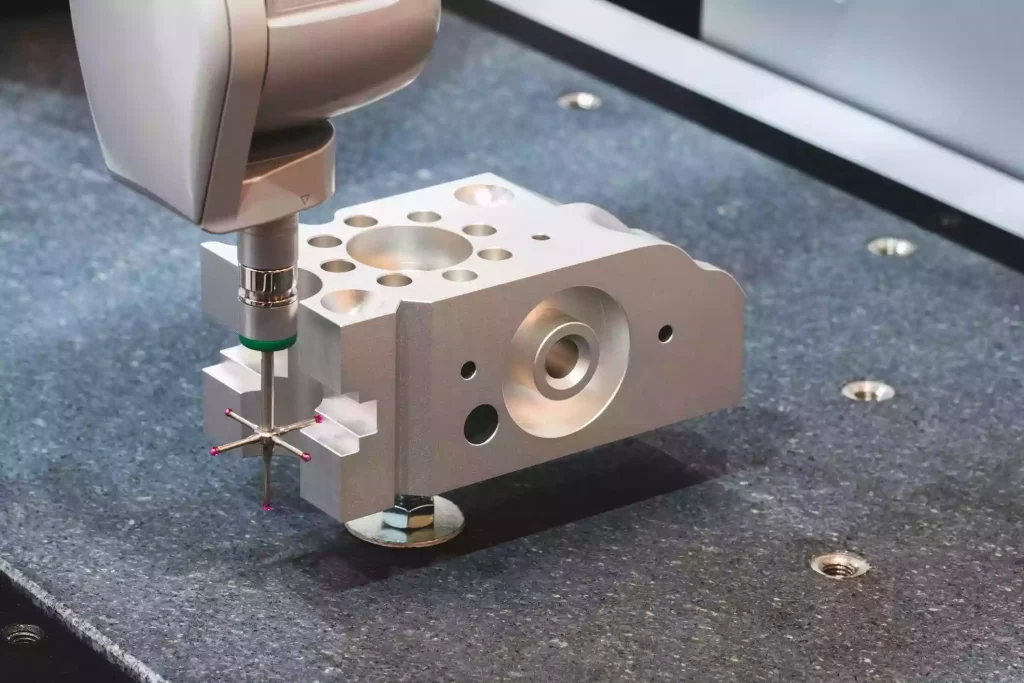
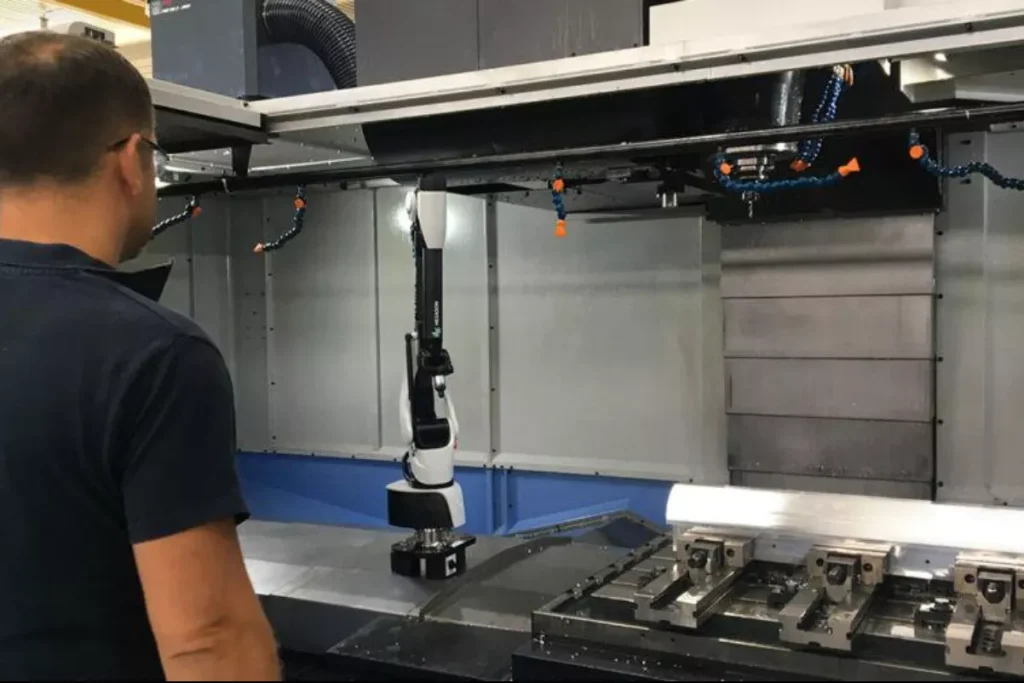
CNC machining quality inspection is a complete process that verifies material, dimensions, tolerances, surface quality, geometry, and functionality throughout production. It covers incoming material inspection, first-article inspection, in-process checks, and final inspection, using appropriate tools such as CMMs, micrometers, roughness testers, hardness testers, and PMI equipment. Effective inspection also depends on trained personnel, controlled measurement conditions, quality systems, and the proper use of inspection data to identify defects, improve processes, reduce scrap, and maintain consistent part quality.
material standard
All Articles, CNC Machining Materials Blog

EN, ASTM, AISI, and ISO: What do these material standards actually mean for the buyer?

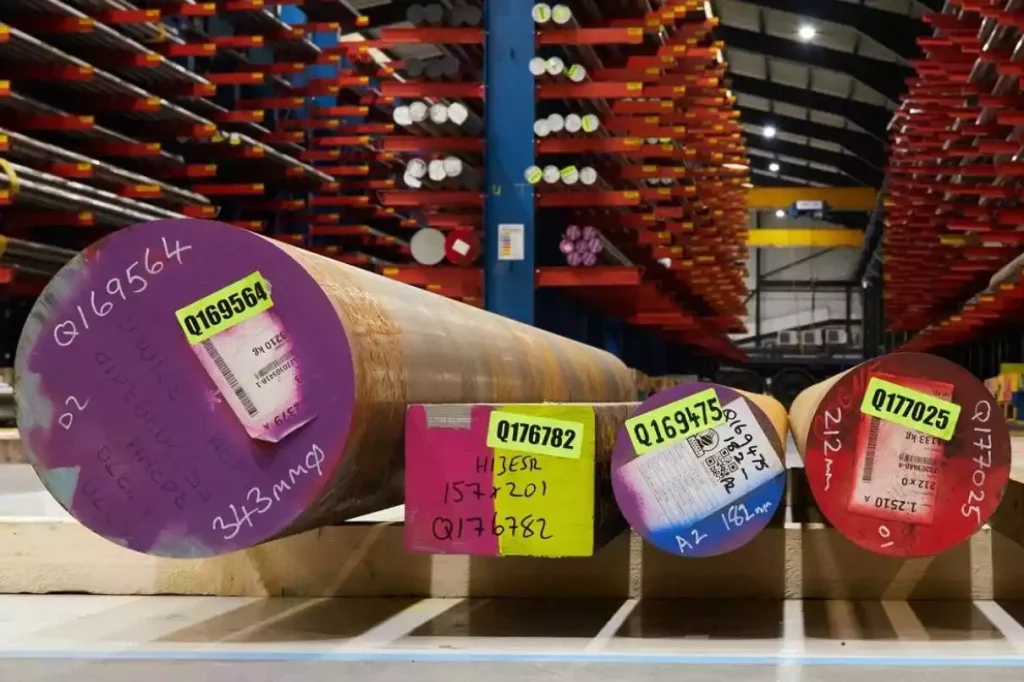
This article outlines the practical differences between AISI, ASTM, EN, and ISO material standards and explains why they should not be considered interchangeable. While AISI primarily deals with the designation of steel grades, ASTM and EN specify detailed technical requirements, and ISO provides international standards covering materials, products, testing, and processes.

For purchasers of CNC machining services, this article recommends considering factors beyond just the material grade itself. In particular, when a supplier proposes using an “equivalent” grade, the purchaser should verify the applicable product standards, material condition, certification requirements, and documentation such as MTRs (Material Test Reports) or material certificates.

materials selection mistakes
CNC Machining Materials Blog, All Articles

Material Selection Mistakes: Common Errors and How to Avoid Them

This article focuses on common errors and solutions regarding material selection, emphasizing that decisions should not be based solely on purchase price. Instead, a comprehensive assessment must consider factors such as the actual operating environment, specific material grades, machinability, dimensional stability, material compatibility, fatigue and aging characteristics, supply chain dynamics, and certification documentation. The article advocates for integrating material evaluation early into the design and production processes through a collaborative approach involving engineering, manufacturing, quality, and procurement teams; this strategy helps mitigate risks related to processing costs, quality, delivery schedules, and product failure. Xtmade assists clients with material evaluations by addressing aspects such as engineering reviews, grade verification, machinability, tolerances, surface treatments, procurement, and production feasibility.

Kovar Alloy Machining 6 7
All Articles, CNC Machining Materials Blog

Difficult-to-Machine Metals for CNC Machining

Hard-to-machine metals—such as titanium alloys, nickel-based alloys, hardened steels, specific stainless steels, tungsten, and molybdenum—offer excellent mechanical, thermal, and corrosion-resistant properties but present numerous challenges during CNC machining. Their high strength, high hardness, low thermal conductivity, work-hardening tendencies, and high cutting resistance often lead to accelerated tool wear, heat accumulation, vibration, chip evacuation difficulties, surface quality issues, and dimensional deviations. Machining becomes even more difficult when dealing with thin walls, deep cavities, tiny internal features, deep holes, complex 3D surfaces, and high-precision geometries.

choosing the right metal for cnc machining
All Articles, CNC Machining Materials Blog

Easy-to-Machine Metals for CNC Machining

Easily machinable metals—such as aluminum, brass, free-cutting steel, 1018 steel, 303 stainless steel, and copper—offer excellent machining characteristics, making them ideal for efficient CNC production. This article outlines the machinability, common CNC processes, production advantages, application areas, and DFM (Design for Manufacturability) considerations for these materials.

Kovar Alloy Machining 6 7
All Articles, CNC Machining Materials Blog

CNC Machining Material Selection: How to Choose the Right Material

This article outlines how to select suitable materials for CNC machining based on part requirements and manufacturing considerations. It covers key factors such as mechanical properties, operating temperature, corrosion resistance, machinability, dimensional stability, surface finish, weight, material availability, and total cost. Additionally, the article provides a step-by-step selection process, application-based recommendations, comparative material analysis, common pitfalls, and a practical checklist, aiming to help manufacturers choose materials that balance performance, manufacturability, and cost.

CNC Machining Material Gallery
All Articles, CNC Machining Materials Blog

CNC Machining Materials: Types, Properties, Applications & Selection Guide

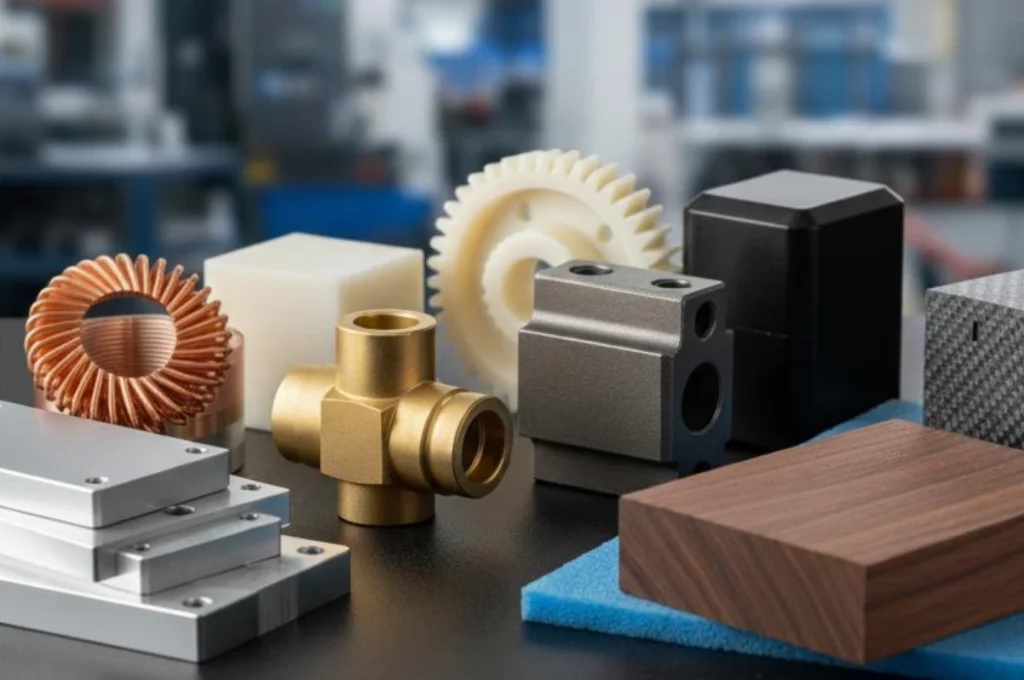
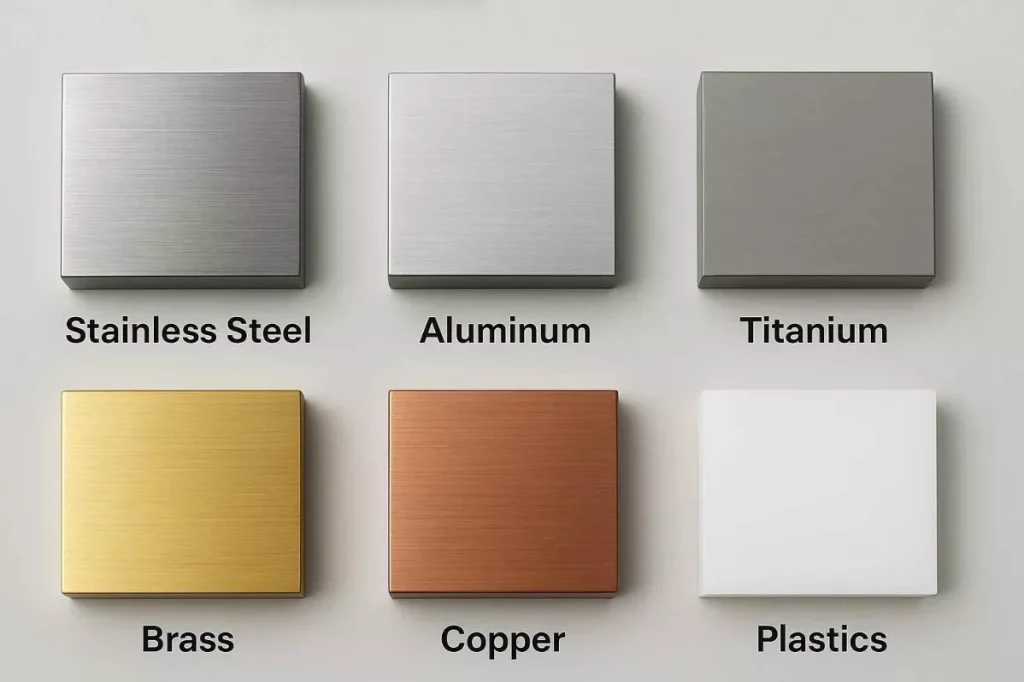
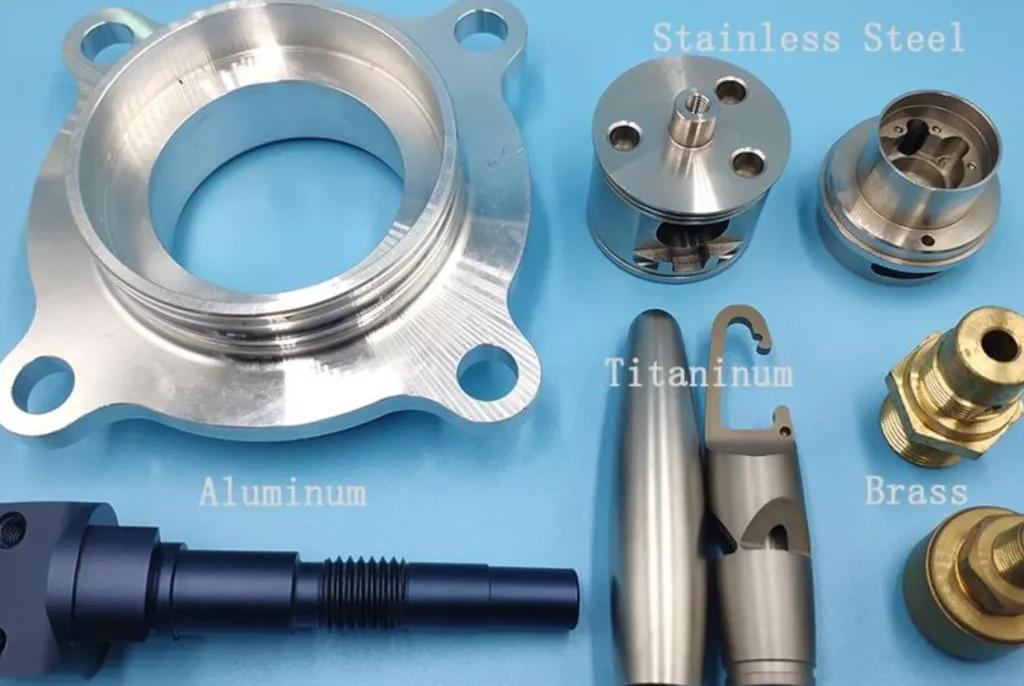
CNC machining materials include a wide range of metals, plastics, composites, and specialty materials, each offering different properties, machining characteristics, and application benefits. This guide covers the main types of CNC materials, their key properties, common applications, material grades and standards, and their suitability for different machining processes. It also explains how factors such as strength, weight, corrosion resistance, temperature resistance, machinability, surface finish, and cost affect material selection, helping you choose the right material for custom CNC machined components.

cnc machining tolerance inspection cmm 1
Manufacturing Knowledge Blog, All Articles

How to Design Parts for CNC Machining: Complete DFM Guidelines for Engineers

This guide covers essential CNC machining design principles, including tool accessibility, wall thickness, hole and thread design, internal corner radii, CNC machining tolerances, technical drawings, and Design for Manufacturing (DFM) practices. By optimizing part design before production, engineers can improve manufacturability, reduce machining costs, shorten lead times, and create reliable, production-ready CNC assemblies.

Scroll to Top