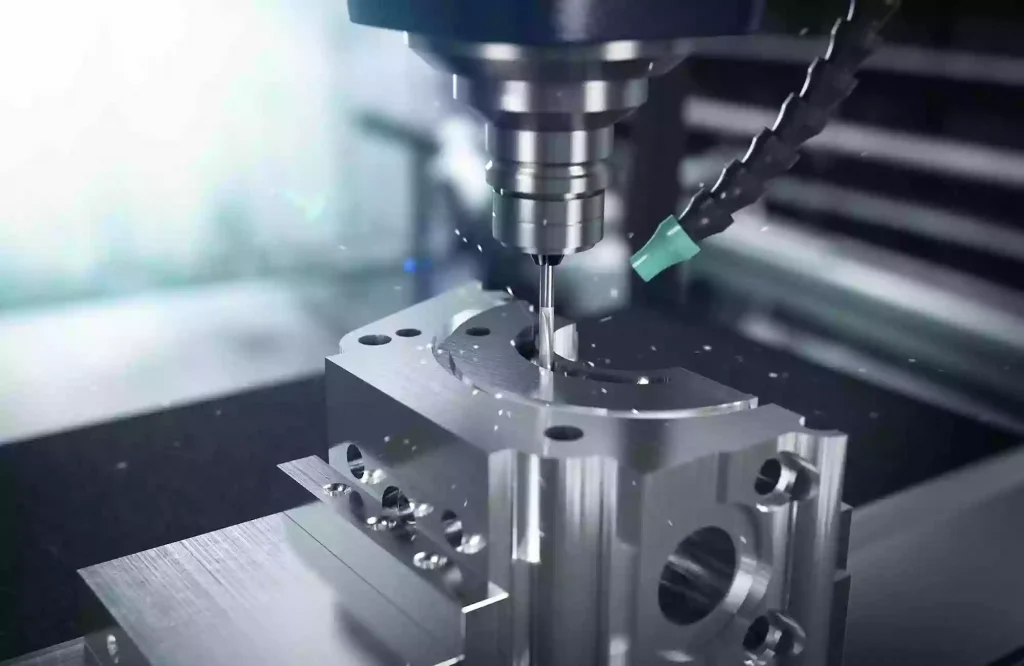
Difficult-to-Machine Metals for CNC Machining
While some metallic materials can be efficiently machined using conventional CNC processes, others require much stricter control over cutting conditions, heat management, tooling, workholding, and inspection. These materials are often classified as “difficult-to-machine metals” because their inherent properties make the material removal process unpredictable and place greater demands on the machining workflow.
Titanium alloys, nickel-based superalloys, hardened steels, certain stainless steels, tungsten, molybdenum, and other specialty metals are frequently used in applications requiring exceptional strength, temperature resistance, corrosion resistance, wear resistance, or other functional attributes. Yet, it is precisely these characteristics—which enable them to perform effectively in harsh environments—that pose significant challenges during the manufacturing and machining process.
What Is CNC Machining of Difficult-to-Machine Metals?
CNC machining of difficult-to-machine metals involves the manufacturing of metal components that require strict control of process parameters during material removal. Compared to free-machining materials, these metals can generate higher cutting forces, cause heat accumulation in the cutting zone, accelerate tool wear, or undergo work hardening during processing. Machinability is determined by the material’s inherent properties; factors such as alloy composition, hardness, heat treatment condition, component geometry, tolerance requirements, surface finish, and specific machining operations all influence how the material behaves during processing.
For instance, titanium alloys often present machining challenges due to the combination of high strength and relatively low thermal conductivity. Nickel-based alloys retain high strength at elevated temperatures—making them suitable for demanding operating conditions—but this also increases the difficulty of cutting. Hardened steels, meanwhile, exhibit high hardness that leads to increased cutting forces and accelerated tool wear.
Consequently, in practical CNC manufacturing, the objective extends beyond mere material removal; the entire process must simultaneously ensure tool stability, manage heat generation, protect critical surfaces, and guarantee that the final component meets all specifications.
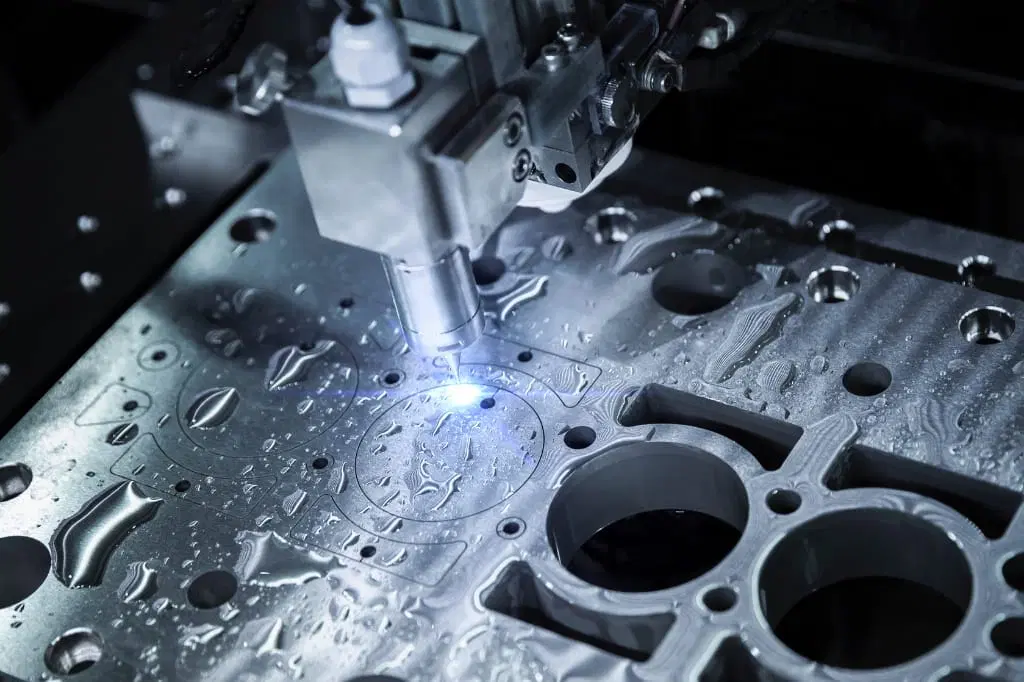
Commonly encountered difficult-to-machine metal materials
“Difficult-to-machine metals” encompass a wide range of material categories rather than just a single alloy family; even within the same category, material properties can vary significantly.
Titanium alloys
Titanium alloys (such as Ti-6Al-4V) are widely used due to their high strength-to-weight ratio and excellent corrosion resistance, and are commonly found in aerospace, medical, and high-performance engineering fields. During machining, titanium’s low thermal conductivity often leads to significant heat accumulation in the cutting zone. Furthermore, titanium alloys retain high strength even at elevated temperatures, resulting in substantial cutting loads.
Nickel-based alloys
Nickel-based alloys include materials such as Inconel, Hastelloy, and Monel. They are typically employed in applications requiring high strength and corrosion resistance, as well as the ability to maintain performance in high-temperature or harsh environments. Their high strength and toughness make material removal challenging. Additionally, work hardening and heat generation during cutting can impact machining stability and tool life.
Hardened steel
Hardened steel is typically chosen when parts require high hardness, wear resistance, or high mechanical strength. Their high hardness increases cutting resistance and places greater demands on the machining process. These materials are commonly used in the manufacture of molds, industrial machinery, tooling fixtures, and wear-resistant components.
Specific grades of stainless steel
Stainless steel should not be considered a single processing category; different grades of stainless steel may perform very differently in CNC machining. Certain grades are prone to rapid work hardening or excessive heat generation during cutting, posing challenges for chip control, dimensional stability, and surface quality. Conversely, other grades are specifically engineered for improved machinability.
Refractory Metals and Specialty Metals
Tungsten, molybdenum, Kovar, Invar, and other specialty metals are used in specific manufacturing fields due to their unique physical or thermal properties. These materials often require tailored machining strategies rather than standard processing methods. Applications range from semiconductor equipment, electronics, and energy systems to precision instruments and various other specialized products.
Difficult-to-Machine Metals vs. Easy-to-Machine Metals
Machinability is relative to the material, grade, condition, geometry, and machining process. The following comparison provides a general manufacturing distinction.
| Factor | Easy-to-Machine Metals | Difficult-to-Machine Metals |
| Cutting resistance | Generally lower | Often higher |
| Tool wear | Generally easier to control | Can be more significant |
| Cutting heat | Generally easier to manage | Can concentrate in the cutting zone |
| Chip formation | Often more predictable | Can be more challenging |
| Machining stability | Generally easier to maintain | Requires closer process control |
| Cycle time | Often shorter | May be longer |
| Process planning | Relatively straightforward | More detailed planning may be required |
| Examples | Aluminum, brass, free-machining steel | Titanium, nickel alloys, hardened steel |
This does not mean that every aluminum component is easy to manufacture or that every titanium component is difficult. Geometry, tolerance, size, surface requirements, machine capability, and production quantity can change the actual manufacturing difficulty.
What Makes These Materials Difficult to Process?
The challenges associated with difficult-to-machine metals typically stem from the combined effects of various material properties.
High strength and high hardness
High-strength materials have strong resistance to deformation during cutting, therefore cutting tools must overcome greater resistance when removing material. Materials with high hardness also increase the stress exerted on the cutting edge. Maintaining a stable material removal process becomes more difficult when the material retains high strength during machining.
Low thermal conductivity
Some difficult-to-machine metals cannot effectively conduct heat away from the cutting zone, resulting in a large portion of the generated heat being concentrated at the tool-workpiece contact interface. Excessive heat accelerates tool wear and compromises dimensional stability—factors that are particularly critical when machining thin-walled components or parts requiring high dimensional precision.
Work hardening
The surface hardness of certain alloys increases during the cutting process due to plastic deformation. Machining becomes more difficult if subsequent tool paths repeatedly cut into areas that have already undergone work hardening. Maintaining a stable tool path and avoiding unnecessary friction or repeated engagement with hardened zones is crucial.
High cutting resistance
Compared to materials with better machinability, materials with high toughness and strength often require greater cutting forces. If the machine tool system lacks sufficient rigidity, these high forces can increase the risk of tool deflection, vibration, workpiece displacement, and dimensional deviations.
Heat generation
Heat is generated whenever material is removed by cutting. With difficult-to-machine metals, factors such as high cutting resistance, tool engagement conditions, and limited heat dissipation capabilities compound to make thermal management more challenging. Temperature fluctuations can affect both tool performance and the condition of the workpiece, especially during prolonged machining operations.
Chip formation is difficult.
Chips generated by certain materials are difficult to control or remove. Poor chip control may interfere with the cutting zone, damage the machined surface, increase heat generation, and interrupt continuous machining. Effective chip evacuation is particularly important when machining deep cavities and deep holes.
What issues arise during Difficult-to-Machine Metal CNC Machining?
The material properties mentioned above ultimately translate into challenges during actual metal CNC machining.

Excessive tool wear
Tool wear is one of the most significant problems when machining difficult-to-machine metals. As the cutting edge wears down, cutting forces may increase, and dimensional deviations can occur. This necessitates monitoring tool condition and replacing tools promptly with suitable alternatives, rather than assuming a single tool will maintain consistent performance throughout an entire production batch.
Excessive cutting heat
Excessively high cutting temperatures will shorten tool life and affect surface quality. Heat can also accumulate in thin-walled or complex parts, increasing the risk of dimensional changes. Heat control must be considered during both roughing and finishing stages, rather than treated as a separate issue to be addressed after production.
Chatter and Vibration
Higher cutting forces make vibration more difficult to control. Chatter leaves visible marks on the workpiece surface and reduces dimensional accuracy. This risk is heightened when machining deep cavities, thin walls, slender features, or areas requiring significant tool overhang, potentially resulting in parts that fail to meet customer quality requirements.
Built-up edge
If the chips cannot be effectively removed, they may remain in the cavity or interfere with subsequent cutting operations. Chip evacuation is particularly critical in drilling and deep-cavity machining, where the path for chips to exit the cutting zone is restricted.
Surface Quality Issues
A stable processing procedure is crucial for achieving consistent surface quality. Factors such as tool wear, vibration, overheating, unstable cutting, or repeated contact with work-hardened material can all affect the final surface finish. This is especially important for sealing surfaces, mating surfaces, precision holes, and parts with specific roughness requirements.
Dimensional Deviations
Dimensional deviations can be caused by a combination of factors, including tool wear, thermal expansion, tool misalignment, workpiece displacement, and residual stress. For precision parts, simply programming nominal dimensions into the CNC machine is far from sufficient to control these effects.
Workpiece Deformation
Even if the main material has high strength, thin-walled sections and lightweight structures may still experience displacement or deformation under cutting forces. Workpiece clamping is a critical step in the manufacturing process; it requires ensuring adequate support for the part while avoiding unacceptable deformation.
How Do Material Properties and Complex Geometries Interact?
Machining difficulty increases significantly when hard-to-machine materials are combined with challenging part geometries. While a material requiring strict control over cutting forces might be relatively manageable when machining a solid, rigid block, the difficulty escalates sharply if the part features thin walls, deep cavities, small internal radii, or complex 3D surfaces.
Thin-walled features
Thin-walled structures possess limited rigidity. Cutting forces can induce deformation or vibration, while cutting heat may cause dimensional changes. When hard-to-machine materials are combined with thin-walled geometries, the machining process requires a balance between material removal efficiency and part stability.
Deep cavities
Deep cavities restrict tool accessibility and complicate chip evacuation. Furthermore, excessive tool overhang reduces overall cutting rigidity. With hard-to-machine metals, these conditions exacerbate vibration, tool deflection, and heat-related issues.
Small internal radii
Machining small internal radii may necessitate the use of smaller tools or an increased number of machining passes. Small tools have a reduced cutting contact area and are more susceptible to deflection and vibration. This combination adds complexity to the process when dealing with hard-to-machine materials.
Deep holes
Deep hole machining presents a unique set of challenges regarding tool accessibility, chip evacuation, cutting heat, and machining accuracy. The deeper the hole, the more critical process stability and precise control over material removal become.
Complex 3D surfaces
Machining complex surfaces often requires continuous tool motion and involves constantly changing cutting contact conditions. Maintaining stable cutting conditions across varying surface geometries when using hard-to-machine materials demands meticulous process planning. Multi-axis machining technology can improve tool accessibility and reduce the number of setups required for complex parts.
Tight-tolerance features
When hard-to-machine materials are combined with stringent dimensional requirements, the allowable machining deviation range becomes very narrow. For critical features with tight tolerances, factors such as tool wear, cutting heat, vibration, workholding, and inspection become significantly more critical.
How do CNC manufacturers machine difficult-to-process metals?
Machining difficult-to-process metals requires a coordinated manufacturing workflow rather than just isolated adjustments.
Process Planning
Process planning begins with an understanding of material specifications, part geometry, tolerance requirements, surface finish, production volume, and inspection criteria. Machining sequences can be planned around the features that most significantly impact manufacturing stability.
Machine Tool and Workholding Stability
A rigid machine setup helps control cutting forces and minimize unwanted displacement. Workholding must provide adequate support while avoiding deformation of the part—a factor particularly critical for thin-walled components and parts with complex geometries.
Cutting Parameter Control
Setting cutting conditions requires a comprehensive assessment of material properties, machining operations, tool paths, and production stages. Roughing and finishing often require different strategies due to their distinct objectives: roughing focuses on controlled material removal, whereas finishing prioritizes dimensional accuracy and surface quality.
Heat and Coolant Management
Heat management involves the effective delivery of coolant, the maintenance of stable cutting conditions, and process planning designed to prevent excessive heat buildup. The goal is to ensure a stable cutting process while protecting both the cutting tool and the workpiece.
Tool Path Optimization
Stable tool engagement helps avoid drastic fluctuations in cutting loads. For complex parts, tool paths can be planned to minimize unnecessary tool entries and exits, ensuring predictable cutting characteristics across different surfaces.
Tool Wear Monitoring
Monitoring tool condition helps identify when wear begins to affect machining performance. Tool replacement decisions can be based on established process conditions and inspection results, rather than waiting for obvious machining failures to occur.
In-Process and Final Inspection
Inspection provides feedback to confirm that the machining process maintains the required dimensional accuracy and surface characteristics. Critical features can be checked during production, while final inspection verifies that the finished part meets all specified requirements.
As a specialist manufacturer of components made from difficult-to-process metals, Xtamde is capable of machining a wide range of such materials, including magnesium, Invar, Kovar, Monel, titanium, molybdenum, and more. Our engineers have accumulated extensive project experience, enabling them to resolve various issues encountered during actual production and proactively mitigate risks that could impact downstream manufacturing outcomes. Whether for prototyping or mass production, we are fully confident and enthusiastic about delivering an excellent collaboration experience to our clients.
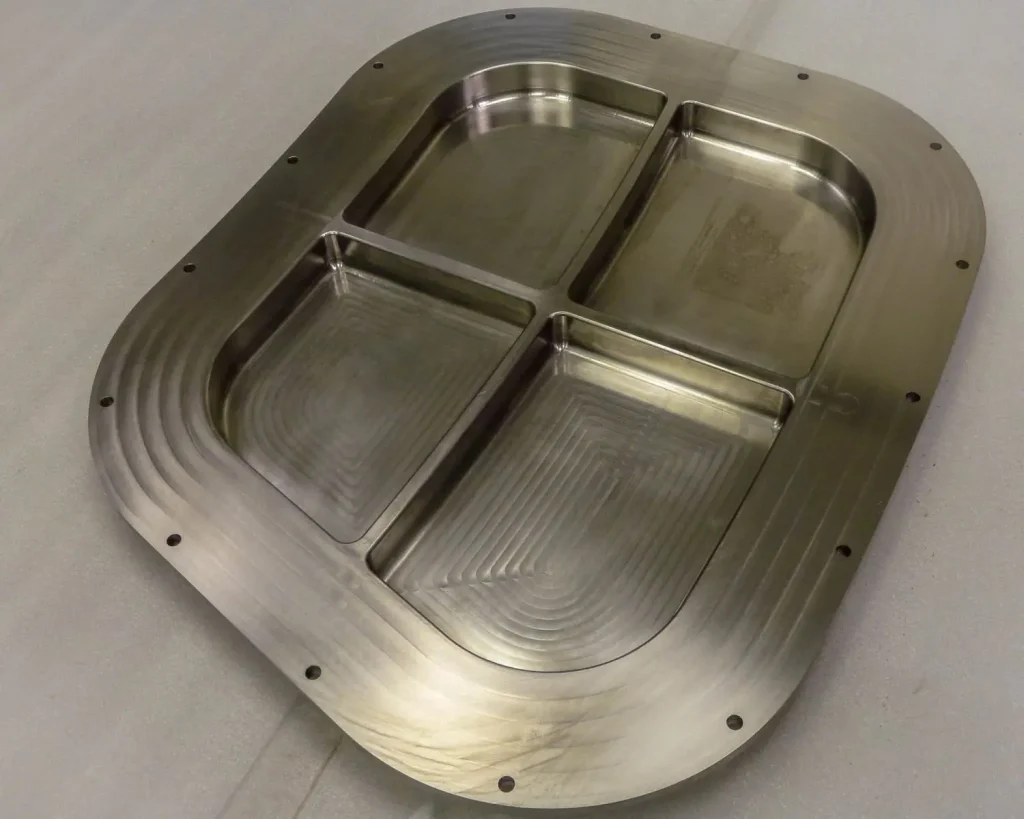
Where Are Difficult-to-Machine Metals Used?
Difficult-to-machine metals are used in industries where high strength, heat resistance, corrosion resistance, wear resistance, or specialized material properties are required.
- Aerospace and Aircraft Components: Titanium and nickel-based alloys are used for structural components, engine components, housings, brackets, and complex precision geometries.
- Medical and Surgical Components: Titanium and stainless steels are used for precision components requiring dimensional accuracy, corrosion resistance, and controlled surface quality.
- Energy and Power Equipment: Nickel-based alloys and refractory metals are used for components exposed to high temperatures, corrosion, and demanding operating conditions.
- Chemical Processing Equipment: Hastelloy and other corrosion-resistant alloys are used for valves, fittings, housings, shafts, and other components exposed to aggressive chemicals.
- Semiconductor and Electronics Equipment: Tungsten, molybdenum, Kovar, and Invar are used for specialized components requiring specific thermal, electrical, or dimensional properties.
- High-Performance Industrial Components: Hardened steels and specialty alloys are used for tooling, fixtures, machinery components, and wear-resistant applications.
Fazit
Machining difficult-to-process metals involves more than just selecting the right CNC machine tool. Material properties—such as strength, hardness, thermal characteristics, work-hardening tendencies, and others—significantly influence cutting forces, heat generation, tool wear, chip control, surface finish, and dimensional stability.
The machining challenge intensifies when these materials involve thin walls, deep cavities, intricate internal features, complex 3D surfaces, or stringent tolerance requirements. Consequently, successful manufacturing hinges on mastering the entire process flow, encompassing everything from material and geometry assessment to machining strategies, workholding, thermal management, tool condition monitoring, and final inspection.
Materials such as titanium alloys, nickel-based alloys, hardened steels, specific stainless steels, tungsten, and molybdenum continue to play vital roles in sectors including aerospace, medical technology, energy, semiconductors, chemicals, and other fields of precision manufacturing. Although these materials often demand more rigorous machining processes compared to easily machinable metals, sound process planning and manufacturing control make it entirely possible to ensure consistent, reliable quality throughout the entire production lifecycle, from prototyping to mass production.