Ротационная гравировка с ЧПУ: технологический процесс, материалы, преимущества и промышленное применение
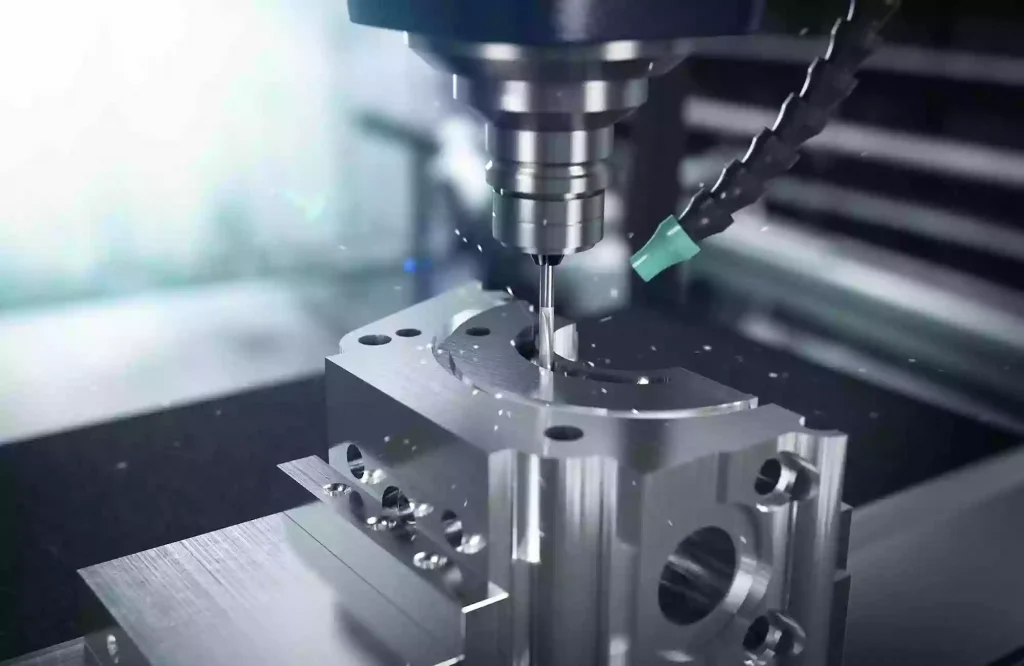
Ротационная гравировка — это процесс прецизионной механической обработки, при котором с помощью вращающегося режущего инструмента с поверхности заготовки удаляется материал, создавая постоянные отметки, текст, узоры или идентификационные знаки. В отличие от лазерной гравировки, при которой изменение поверхности обычно происходит под действием тепловой энергии, ротационная гравировка заключается в физическом врезании в материал, что позволяет достичь измеримой глубины гравировки и обеспечить долговечность результата.
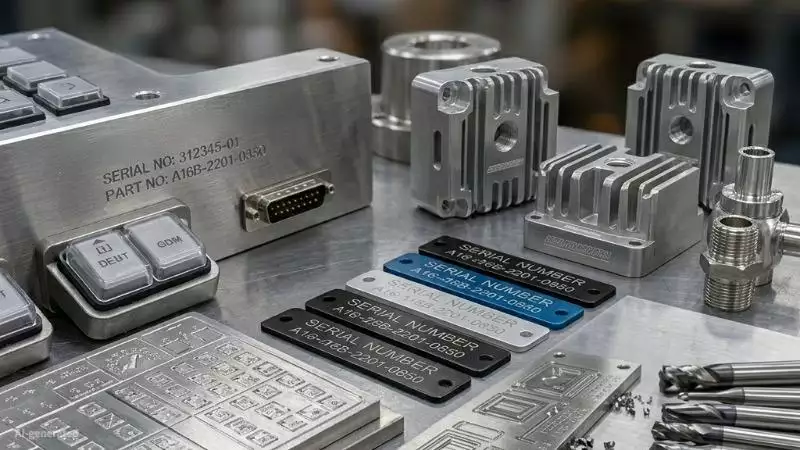
В связи с растущим спросом на обеспечение прослеживаемости, идентификацию продукции и изготовление компонентов по индивидуальному заказу ротационная гравировка получила широкое применение в таких отраслях, как аэрокосмическая промышленность, медицина, электроника, автомобилестроение и производство промышленного оборудования. Она позволяет производителям наносить серийные номера, логотипы, предупреждающие надписи и функциональные маркировки непосредственно на металлические и пластиковые детали, обеспечивая при этом высокую точность и долговечность.
При ротационной гравировке с ЧПУ траектории движения инструмента, управляемые компьютером, обеспечивают стабильное качество гравировки, возможность выполнения сложных узоров и повторяемость результатов как при изготовлении прототипов, так и при серийном производстве. Данный процесс подходит для обработки широкого спектра материалов, включая алюминий, нержавеющую сталь, латунь, титан, инженерные пластики и композитные материалы.
В этой статье рассказывается о принципе работы ротационной гравировки, её преимуществах, подходящих материалах, типичных областях применения, а также о том, чем она отличается от лазерной гравировки, чтобы помочь вам выбрать подходящий метод маркировки для ваших деталей.
Что такое ротационная гравировка?
Ротационная гравировка — это субтрактивный метод обработки, при котором с помощью вращающегося режущего инструмента с поверхности заготовки физически удаляется материал. В ходе этого процесса гравировальный резец вращается с высокой скоростью, перемещаясь по запрограммированным траекториям, и создает точные канавки, символы, узоры или идентификационные маркировки с контролируемой глубиной и геометрией.
В отличие от методов нанесения маркировки на поверхность, таких как лазерная гравировка, ротационная гравировка создает физическое углубление в материале. Благодаря этому маркировка становится более устойчивой к истиранию, воздействию химических веществ и суровым условиям эксплуатации, что делает её подходящей для применения в случаях, когда требуются долгосрочная читаемость и долговечность.
Ротационная гравировка может выполняться вручную или с помощью оборудования с ЧПУ. Современные системы ротационной гравировки с ЧПУ используют программное обеспечение CAD/CAM для преобразования цифровых чертежей в точные траектории движения инструмента, что позволяет производителям наносить однородную маркировку на сложные детали с высокой степенью повторяемости.
Как работает ротационная гравировка?
Процесс ротационной гравировки, как правило, включает в себя несколько основных этапов:
1. Подготовка проекта
Рисунок гравировки, текст, логотип или код создаются с помощью программного обеспечения CAD или преобразуются в совместимый векторный файл. Дизайн определяет геометрию гравировки, размеры и траектории движения инструмента.
2. Выбор инструмента
Выбор подходящего резца для гравировки зависит от материала заготовки, требуемой глубины гравировки и степени детализации. К распространенным инструментам относятся твердосплавные резцы, алмазные инструменты для гравировки и специализированные гравировальные сверла.
3. Закрепление заготовки
Деталь надежно закреплена на станке, чтобы предотвратить её смещение во время резки. Правильное закрепление детали особенно важно для обеспечения равномерной глубины гравировки и аккуратных краёв.
4. Процесс обработки на станках с ЧПУ
Шпиндель вращает гравировальный инструмент с высокой скоростью, а система ЧПУ управляет его перемещением по запрограммированным осям X, Y и Z. Режущий инструмент снимает материал слой за слоем до тех пор, пока не будет достигнута требуемая глубина гравировки.
5. Контроль качества и отделка
После гравировки деталь очищают от стружки и загрязнений. В зависимости от требований могут применяться дополнительные процессы, такие как нанесение покрытия, окраска или отделка поверхности, для улучшения внешнего вида или повышения контрастности.
Ротационные гравировальные станки и инструменты
Производительность и качество ротационной гравировки во многом зависят от используемого гравировального оборудования и режущих инструментов. От простых ручных гравировальных станков до современных обрабатывающих центров с ЧПУ — выбор системы зависит от сложности детали, объема производства, типа материала и требуемой точности гравировки.
Современное ротационное гравировальное оборудование с ЧПУ обеспечивает точное управление перемещением инструмента, скоростью вращения шпинделя и глубиной резания, что позволяет производителям наносить однородную маркировку как на плоские, так и на профилированные поверхности.
Типы ротационных гравировальных станков
Ротационные гравировальные станки с ЧПУ
Ротационные гравировальные станки с ЧПУ используют движения, управляемые компьютером, для автоматизации процесса гравировки. Станок следует запрограммированным траекториям движения инструмента, сгенерированным на основе файлов CAD/CAM, что позволяет выполнять точную и воспроизводимую гравировку сложных рисунков.
К основным преимуществам относятся:
- Согласованность в высоком измерении
- Постоянная глубина гравировки
- Способность обрабатывать сложные узоры и текст
- Подходит для изготовления прототипов и серийного производства
Ротационная гравировка с ЧПУ широко применяется для маркировки промышленных деталей, нанесения серийных номеров, логотипов, а также для обеспечения отслеживаемости.
Ручные ротационные гравировальные станки
Ручные гравировальные станки предполагают управление оператором, который направляет режущий инструмент по поверхности заготовки. Они часто используются для мелкосерийного производства, гравировки по индивидуальному заказу, ремонтных работ, а также в случаях, требующих индивидуального мастерства.
По сравнению с системами ЧПУ ручная гравировка обеспечивает большую гибкость при создании единичных изделий, но отличается меньшей повторяемостью при крупных серийных партиях.
Многоосевые системы гравировки с ЧПУ
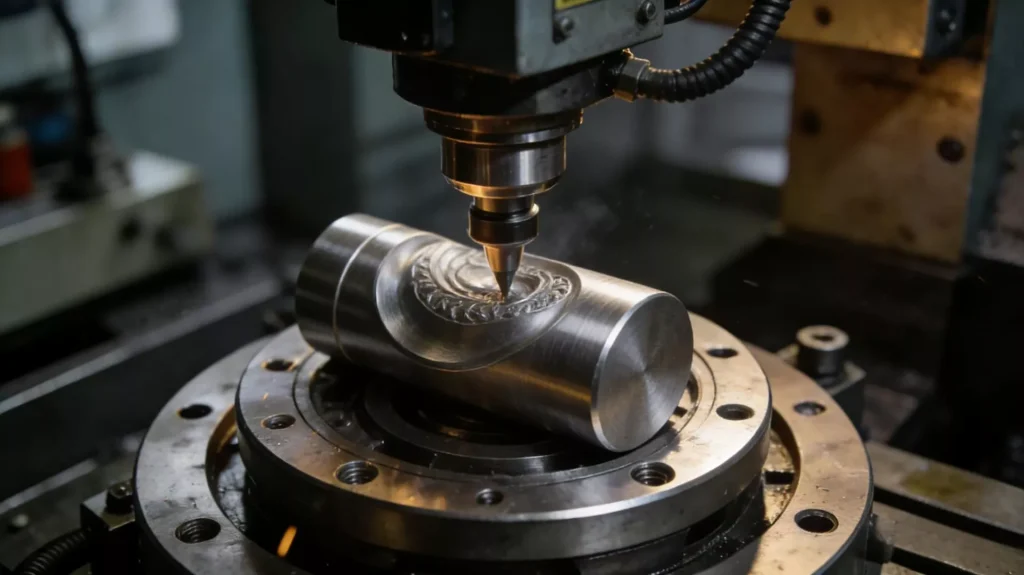
В случае деталей с изогнутыми или сложными геометрическими формами многоосное оборудование с ЧПУ позволяет одновременно регулировать ориентацию инструмента и положение заготовки. Это дает возможность выполнять гравировку на наклонных поверхностях, цилиндрических деталях и трехмерных изделиях.
К типичным областям применения относятся:
- Аэрокосмические компоненты
- Медицинские инструменты
- Прецизионные механические детали
- Промышленные компоненты на заказ
Ротационные гравировальные инструменты
Режущий инструмент для гравировки является одним из важнейших факторов, влияющих на качество маркировки. Выбор инструмента зависит от твердости материала, глубины гравировки, ширины линии и требуемого внешнего вида поверхности.
Твердосплавные гравировальные фрезы
Твердосплавные режущие инструменты широко используются в промышленной ротационной гравировке благодаря своей твердости и износостойкости. Они подходят для обработки таких металлов, как алюминий, нержавеющая сталь, латунь и титан.
Типичные области применения:
- Гравировка серийного номера
- Идентификация продукта
- Металлические таблички с надписями
- Детали машины
Алмазные инструменты для бурения
В инструментах с алмазным наконечником используется алмазный наконечник, который царапает поверхность, не удаляя при этом большого количества материала. Они идеально подходят для создания тонких линий, декоративных отметок и контрастных деталей на поверхности.
Типичные области применения:
- Гравировка на ювелирных изделиях
- Электронные компоненты
- Декоративные металлические детали
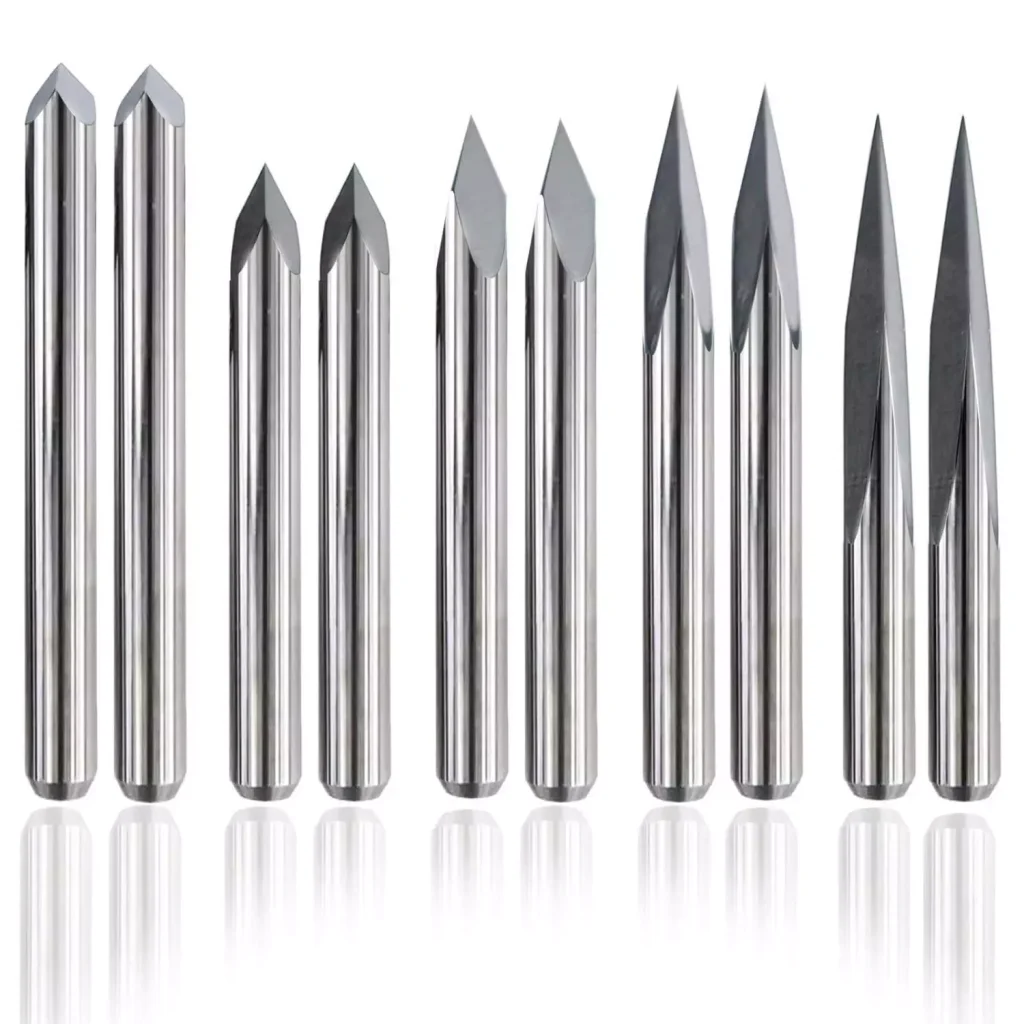
Гравировальные фрезы V-Bit
V-образные режущие элементы создают угловые канавки с острыми краями и обычно используются для вырезания текста, логотипов и мелких графических элементов.
Внутренний угол режущего инструмента влияет на:
- Ширина линии
- Глубина гравировки
- Разрешение деталей
Резаки с меньшим углом наклона позволяют создавать более тонкие детали, тогда как резаки с большим углом наклона обеспечивают более прочные и долговечные маркировки.
Фрезы для гравировки с плоским концом
Плоскогубцы с плоскими губками используются в тех случаях, когда требуется прорезать более широкие канавки или наносить маркировку одинаковой ширины. Их обычно выбирают для нанесения крупных символов, глубокой гравировки и промышленных идентификационных маркировок.
Виды ротационной гравировки
Ротационную гравировку можно разделить на различные типы в зависимости от оборудования, метода обработки и требований к гравировке. Каждый метод обеспечивает разные уровни точности, контроля глубины и внешнего вида поверхности, благодаря чему они подходят для различных областей применения — от маркировки промышленных деталей до декоративной гравировки.
Гравировка на токарном станке с ЧПУ
При ротационной гравировке с ЧПУ используются системы обработки с компьютерным управлением для нанесения точных маркировок на основе цифровых файлов чертежей. Станок автоматически управляет движением гравировального инструмента, включая направление, скорость и глубину резания, что обеспечивает стабильные результаты при обработке большого количества деталей.
По сравнению с ручной гравировкой ротационная гравировка с ЧПУ обеспечивает более высокую повторяемость и лучший контроль над сложными рисунками. Она широко применяется в производственных условиях, где точность, стабильность и отслеживаемость имеют решающее значение.
К типичным областям применения относятся:
- Серийные номера и идентификационные коды
- Логотипы компаний и брендовые знаки
- Панели управления и надписи на приборах
- Маркировка компонентов для аэрокосмической и медицинской отраслей
- Детали, изготовленные по индивидуальному заказу
Ручная ротационная гравировка
При ручной ротационной гравировке направление режущего инструмента в процессе гравировки осуществляется оператором. Хотя этот метод не обеспечивает такой же уровень автоматизации и повторяемости, как системы с ЧПУ, он по-прежнему остается востребованным для выполнения заказов на индивидуальные изделия, мелких партий, а также в случаях, когда требуются художественные или персонализированные детали.
К преимуществам ручной ротационной гравировки относятся:
- Гибкость в эксплуатации
- Подходит для разовых проектов
- Более низкие требования к оборудованию
- Возможность корректировки траекторий гравировки в процессе работы
К числу типичных областей применения относятся:
- Товары с индивидуальным дизайном
- Декоративная гравировка по металлу
- Награды и таблички с надписями
- Ремонтные и модификационные работы
Гравировка алмазным шлифом
Гравировка алмазным инструментом — это специальный метод ротационной гравировки, при котором с помощью инструмента с алмазным наконечником на поверхности создаются мелкие отметки путем царапания, а не глубокого врезания в материал.
Поскольку данный процесс позволяет получать очень тонкие и четкие линии, он идеально подходит для задач, требующих детализированной графики или высококачественного внешнего вида.
К числу распространенных способов использования относятся:
- Гравировка на ювелирных изделиях
- Маркировка электронных компонентов
- Изящный шрифт
- Декоративные узоры
По сравнению с традиционной режущей гравировкой алмазная гравировка с перетяжкой обеспечивает минимальный снос материала и позволяет получить гладкую, похожую на полированную отметку на многих металлических поверхностях.
3D-гравировка на вращающейся детали
При 3D-ротационной гравировке создаются различные глубины гравировки, что позволяет получать рельефные или углубленные узоры с трехмерным эффектом. Регулируя глубину прохода инструмента по различным траекториям, производители могут создавать сложные текстуры, рельефные узоры и детализированные элементы поверхности.
Этот метод часто используется для:
- Декоративные элементы
- Формы и вставки для инструментов
- Потребительские товары премиум-класса
- Механические детали на заказ
Для 3D-гравировки с вращением требуется точное управление с ЧПУ и современное программирование, чтобы обеспечить плавные переходы по глубине и точность воспроизведения мелких деталей.
Внутренняя ротационная гравировка
Внутренняя ротационная гравировка применяется для нанесения маркировки на внутренние поверхности цилиндрических или закрытых деталей. Специализированный инструмент позволяет выполнять гравировку на участках, к которым трудно получить доступ стандартными методами.
Области применения включают:
- Трубные детали
- Кольца и втулки
- Промышленные корпуса
- Медицинские инструменты
Краткий обзор типов ротационной гравировки
| Тип | Основная особенность | Типичные области применения |
| Гравировка на токарном станке с ЧПУ | Высокая точность и повторяемость | Промышленные детали, серийные номера, логотипы |
| Ручная ротационная гравировка | Гибкое управление с возможностью настройки | Продукция, выпускаемая небольшими партиями, и индивидуализированная продукция |
| Гравировка алмазным шлифом | Точная маркировка поверхности | Ювелирные изделия, электроника, декоративные элементы |
| 3D-гравировка на вращающейся детали | Конструкции с переменной глубиной | Вставки для пресс-форм, компоненты премиум-класса |
| Внутренняя ротационная гравировка | Позволяет наносить метки в труднодоступных местах | Цилиндрические и закрытые детали |
Материалы, подходящие для ротационной гравировки
Одним из ключевых преимуществ ротационной гравировки является возможность обработки широкого спектра материалов. Поскольку в этом процессе используется вращающийся режущий инструмент для физического удаления материала, с его помощью можно наносить прочные и долговечные маркировки на металлы, пластмассы и другие инженерные материалы.
Выбор материала, гравировального инструмента и параметров резки напрямую влияет на конечное качество гравировки, в том числе на остроту краев, внешний вид поверхности и глубину гравировки.
Металлы для ротационной гравировки
Металлические материалы широко используются в ротационной гравировке, поскольку они обладают превосходной прочностью, стабильностью размеров и обеспечивают долговечность маркировки. К числу металлов, на которых обычно выполняется гравировка, относятся:
- Алюминий и алюминиевые сплавы
- Отличная обрабатываемость и низкая масса
- Подходит для нанесения мелкого текста, логотипов, серийных номеров и детализированной графики
- Типичные области применения: детали для аэрокосмической промышленности, корпуса электронных устройств, панели управления, паспортные таблички оборудования
- Нержавеющая сталь
- Обеспечивает коррозионную стойкость и износостойкость гравированных маркировок
- Подходит для использования в суровых условиях, требующих постоянной идентификации
- Типичные области применения: медицинские инструменты, оборудование для пищевой промышленности, промышленные компоненты, маркировка для отслеживания
- Латунь, медь и бронза
- Хорошая обрабатываемость и привлекательный внешний вид поверхности
- Подходит как для функциональной, так и для декоративной гравировки
- Типичные области применения: идентификационные таблички, электрические компоненты, метизы на заказ, прецизионные приборы
- Титан
- Высокое соотношение прочности к массе и превосходная коррозионная стойкость
- Требует использования специального инструмента в связи с повышенной сложностью обработки
- Типичные области применения: детали для аэрокосмической промышленности, медицинские компоненты, высокопроизводительные механические детали
- Закаленная сталь и специальные сплавы
- Используется в условиях, требующих высокой износостойкости и долговечности
- Для получения надежных результатов требуются гравировальные инструменты из карбида или алмаза
- Типичные области применения: пресс-формы, промышленное оборудование, детали для тяжелого оборудования
Пластмассы и инженерные материалы для ротационной гравировки
Ротационная гравировка также подходит для различных пластиковых и композитных материалов. По сравнению с некоторыми методами термической маркировки механическая гравировка позволяет наносить четкие маркировки, сохраняя целостность материала.
К распространенным материалам относятся:
- Акрил (ПММА)
- Обеспечивает получение высококонтрастных гравированных поверхностей с четкими краями
- Подходит для применения в условиях, требующих хорошей видимости
- Типичные области применения: дисплейные панели, вывески, декоративные элементы
- ABS
- Легко поддается механической обработке, после гравировки сохраняет хорошее качество поверхности
- Подходит для нанесения функциональной маркировки и идентификационных обозначений
- Типичные области применения: корпуса электронных устройств, промышленные кожухи, прототипы деталей
- Поликарбонат (PC)
- Обладает превосходной ударопрочностью и стабильностью размеров
- Подходит для гравированных этикеток и идентификационных маркировок
- Типичные области применения: защитные чехлы, ограждения для оборудования, электронные компоненты
- POM (Delrin), нейлон, PEEK и ПВХ
- Обеспечить различные комбинации прочности, химической стойкости и легкости
- Подходит для изготовления прецизионных пластиковых деталей и применения в машиностроении
- Типичные области применения: механические детали, приспособления, медицинское оборудование, элементы электрической изоляции
Факторы, влияющие на выбор материала для ротационной гравировки
При выборе материала для ротационной гравировки производителям следует учитывать следующее:
Твёрдость материала
Для обработки более твердых материалов требуются более прочные режущие инструменты и оптимизированные параметры обработки.
Требуемая глубина гравировки
Для глубокой гравировки может потребоваться несколько проходов резания и специальный инструмент.
Требования к качеству поверхности
Точность деталей и гладкость кромок зависят от правильного выбора инструмента и условий резания.
Рабочая среда
На деталях, подверженных истиранию, воздействию химических веществ или атмосферных воздействий, может потребоваться нанесение более глубокой и стойкой маркировки.
Краткий обзор совместимости материалов
| Материал | Характеристики гравировки | Типичные области применения |
| Алюминий | Отличная обрабатываемость, четкие детали | Именные таблички, детали для аэрокосмической промышленности |
| Нержавеющая сталь | Стойкая постоянная маркировка | Медицинские и промышленные компоненты |
| Латунь/медь | Декоративная и точная гравировка | Оборудование, электрические детали |
| Титан | Высокоэффективная маркировка | Аэрокосмическая отрасль, медицина |
| Акрил | Высококонтрастный внешний вид | Витрины, вывески |
| АБС/ПК | Чистые края, простота обработки | Корпуса, панели |
| PEEK/нейлон/POM | Применение в инженерии | Прецизионные пластиковые детали |
Преимущества ротационной гравировки
Ротационная гравировка обладает рядом преимуществ для нанесения постоянной маркировки, идентификации и декоративной отделки в различных отраслях промышленности.
- Постоянные и стойкие маркировки: Создает физические канавки в материале, обеспечивая долговечную маркировку, устойчивую к износу, воздействию химических веществ и внешних факторов.
- Широкая совместимость с материалами: Подходит для металлов, пластмасс, дерева и композитных материалов без необходимости использования специальных подложек для гравировки.
- Гибкое регулирование глубины: Различные режущие инструменты позволяют точно регулировать глубину, ширину и детализацию гравировки — от мелкого текста до глубоких отметков.
- Подходит для различных поверхностей: При использовании подходящего инструмента и правильной настройке позволяет добиваться стабильных результатов на плоских, изогнутых и неровных поверхностях.
- Отсутствие зоны термического влияния: Использует механическую резку вместо тепловой энергии, что позволяет избежать изменения цвета, деформации или термического повреждения материала.
- Экологичный и экономичный процесс: Обеспечивает образование стружки, которую легко удалить, при этом требуя меньших затрат на техническое обслуживание и эксплуатацию по сравнению с некоторыми системами лазерной гравировки.
- Возможности функциональной маркировки: Поддерживает такие элементы, как серийные номера, логотипы, панели управления, тактильные обозначения и указатели, соответствующие требованиям ADA.
Ротационная гравировка и лазерная гравировка
Ротационная гравировка и лазерная гравировка — два широко используемых метода нанесения постоянных маркировок на детали и изделия. Хотя оба метода позволяют наносить детализированный текст, логотипы и идентификационные знаки, их принципы действия принципиально различаются.
При ротационной гравировке используется вращающийся режущий инструмент, который физически удаляет материал с поверхности, создавая измеримую глубину гравировки. При лазерной гравировке используется сфокусированный энергетический луч, который изменяет, выжигает или удаляет материал без прямого контакта с инструментом.
Оптимальный выбор зависит от таких факторов, как тип материала, требуемая глубина гравировки, долговечность маркировки, сложность рисунка и производственные требования.
Основные различия между ротационной гравировкой и лазерной гравировкой
| Особенность | Ротационная гравировка | Лазерная гравировка |
| Метод обработки | Механическая резка с помощью вращающегося инструмента | Бесконтактная обработка с использованием лазерного луча |
| Удаление материала | Физически удаляет материал | Изменяет или удаляет поверхностный слой материала под воздействием тепла |
| Глубина гравировки | Подходит для глубокой гравировки | Обычно оставляет неглубокие следы на поверхности |
| Тепловой эффект | Отсутствие зоны термического влияния | Может вызывать тепловые эффекты на определенных материалах |
| Контакт с поверхностью | Инструмент соприкасается с заготовкой | Отсутствие прямого контакта |
| Наилучшим образом подходит для | Стойкая промышленная разметка | Мелкие детали и сложная графика |
Преимущества ротационной гравировки
Ротационная гравировка предпочтительна в тех случаях, когда решающее значение имеют долговечность и глубина.
К основным преимуществам относятся:
- Обеспечивает более глубокую и износостойкую маркировку
- Подходит для металлических деталей и твёрдых пластиков
- Обеспечивает создание рельефных гравированных элементов
- Поддерживает гравировку с заполнением краской
- Хорошо подходит для плоских и изогнутых поверхностей
- Обеспечивает снижение затрат на оборудование и техническое обслуживание во многих областях применения
Типичные области применения:
- Промышленные таблички с маркировкой
- Маркировка серийного номера
- Панели управления
- Детали машины
- Предупредительные этикетки
Преимущества лазерной гравировки
Лазерная гравировка идеально подходит для задач, требующих высокой детализации, быстрой обработки и бесконтактной маркировки.
К основным преимуществам относятся:
- Превосходная детализация мелкого текста и сложных узоров
- Подходит для высокоскоростной маркировки
- Отсутствие износа режущего инструмента
- Может обрабатывать самые разные материалы
- Идеально подходит для штрих-кодов, QR-кодов и декоративных рисунков
Типичные области применения:
- Электронные компоненты
- Потребительские товары
- Декоративные детали
- Брендинг продукции
- Мелкие прецизионные маркировки
Как выбрать между ротационной и лазерной гравировкой?
При выборе метода гравировки следует учитывать следующие факторы:
- Требуемая долговечность:
Выбирайте ротационную гравировку для нанесения глубоких и долговечных маркировок, подверженных износу или воздействию агрессивных условий эксплуатации. - Сложность конструкции:
Выбирайте лазерную гравировку для воспроизведения чрезвычайно мелких деталей, сложных графических изображений или мелкого шрифта. - Требования к материалам:
Ротационная гравировка особенно эффективна при работе с металлами и инженерными пластиками, тогда как лазерная гравировка обеспечивает более широкий спектр подходящих материалов. - Требования к производству:
Лазерная гравировка может быть более подходящей для маркировки больших партий, тогда как ротационная гравировка идеально подходит в тех случаях, когда глубина и долговечность имеют большее значение.
Какой метод гравировки лучше?
Ни один из этих методов не является универсально лучшим. Правильный выбор зависит от конкретных требований к приложению.
Выбирайте ротационную гравировку, если вам требуется:
- Выраженные физические признаки
- Высокая износостойкость
- Долгосрочная идентификация
- Тактильные или функциональные особенности
Выберите лазерная гравировка когда вам нужно:
- Мелкие детали поверхности
- Сложные конструкции
- Быстрая бесконтактная маркировка
- Минимальное механическое воздействие
Области применения ротационной гравировки
Ротационная гравировка широко используется для нанесения постоянной маркировки, идентификации и создания декоративных элементов в различных отраслях промышленности. Благодаря способности создавать глубокие и долговечные отметки она подходит как для функциональных, так и для эстетических целей.
К числу типичных областей применения относятся:
- Маркировка промышленных деталей
- Серийные номера, номера деталей, логотипы и коды отслеживания на обработанных деталях и оборудовании.
- Компоненты для аэрокосмической и оборонной промышленности
- Постоянные идентификационные маркировки, данные о проверках и этикетки для отслеживания компонентов.
- Медицинские приборы и инструменты
- Маркировка хирургических инструментов, медицинского оборудования и информации, обеспечивающей отслеживаемость.
- Электроника и панели управления
- Гравированные этикетки, маркировка переключателей, интерфейсные панели и корпуса оборудования.
- Автомобильные компоненты
- Идентификация деталей, нанесение логотипов и стойких маркировок на механические и интерьерные компоненты.
- Изделия на заказ и декоративные изделия
- Именные таблички, мемориальные доски, логотипы, награды и изделия из металла или пластика с индивидуальной гравировкой.
Рекомендации по проектированию ротационной гравировки
Правильная подготовка чертежа помогает добиться четких, точных и долговечных результатов ротационной гравировки. К ключевым факторам, которые следует учитывать, относятся:
- Глубина гравировки
- Выберите подходящую глубину с учетом долговечности маркировки, читаемости и требований к применению.
- Размер текста и уровень детализации
- Убедитесь, что надписи, логотипы и узоры имеют размер, достаточный для использования выбранного инструмента для гравировки и обеспечения требуемой степени детализации.
- Выбор инструмента
- Выберите подходящий диаметр режущего инструмента, угол наклона режущей кромки и материал инструмента с учетом материала заготовки и требований к гравировке.
- Состояние поверхности
- Ровные и устойчивые поверхности, как правило, обеспечивают более стабильное качество гравировки, тогда как для изогнутых деталей может потребоваться специальная настройка оборудования.
- Файлы с проектами
- Предоставьте четкие чертежи в формате CAD или векторные файлы с указанием текста, графических элементов, размеров и требований к гравировке.
Процесс ротационной гравировки
Процесс ротационной гравировки состоит из нескольких этапов, позволяющих наносить точные и долговечные маркировки на различные материалы. Каждый этап — от подготовки чертежа до окончательного контроля — играет важную роль в обеспечении требуемого качества гравировки.
1. Подготовка проекта
Подготовьте макет для гравировки, текст, логотипы или файлы CAD в соответствии с требуемыми техническими условиями маркировки. В макете должны быть указаны размер, расположение и глубина гравировки, а также прочие необходимые детали.
2. Выбор материалов и инструментов
Выберите подходящие режущие инструменты для гравировки и параметры обработки с учетом материала заготовки, глубины гравировки и требований к деталям.
3. Закрепление заготовки
Надежно закрепите деталь, чтобы предотвратить её смещение во время обработки. Правильное закрепление обеспечивает стабильную точность гравировки, особенно на изогнутых или сложных поверхностях.
4. Операция гравировки
Вращающийся режущий инструмент движется по запрограммированной траектории, удаляя материал и создавая нужный текст, узоры или идентификационные маркировки.
5. Контроль качества
Перед отправкой проверьте готовую гравировку на глубину, четкость, точность размеров и качество поверхности.
Заключение
Ротационная гравировка — это надежный способ нанесения стойких, точных и долговечных маркировок на самые разные материалы. По сравнению с другими методами маркировки она обладает преимуществами в плане глубины гравировки, износостойкости, совместимости с материалами и возможностей функциональной маркировки.
От маркировки промышленных деталей для идентификации и отслеживания до декоративных элементов и компонентов, изготовленных по индивидуальному заказу, ротационная гравировка представляет собой практичное решение для задач, требующих долговечных результатов.
В компании Xtmade мы предлагаем высокоточная обработка на станках с ЧПУ а также услуги по гравировке для удовлетворения потребностей в изготовлении деталей по индивидуальному заказу в различных отраслях промышленности. Благодаря современному оборудованию с ЧПУ, опыту в области механической обработки и строгим процедурам контроля качества мы помогаем клиентам добиваться высокой точности гравировки как при изготовлении прототипов, так и серийных деталей.
Независимо от того, нужны ли вам серийные номера, логотипы, идентификационные маркировки или индивидуальные гравировки, компания Xtmade готова предложить надежные решения по механической обработке, разработанные с учетом требований вашего проекта.