Tous les articles

Procédé de gravure rotative par CNC sur une surface métallique
Engraving, Tous les articles

Gravure rotative CNC : procédé, matériaux, avantages et applications industrielles

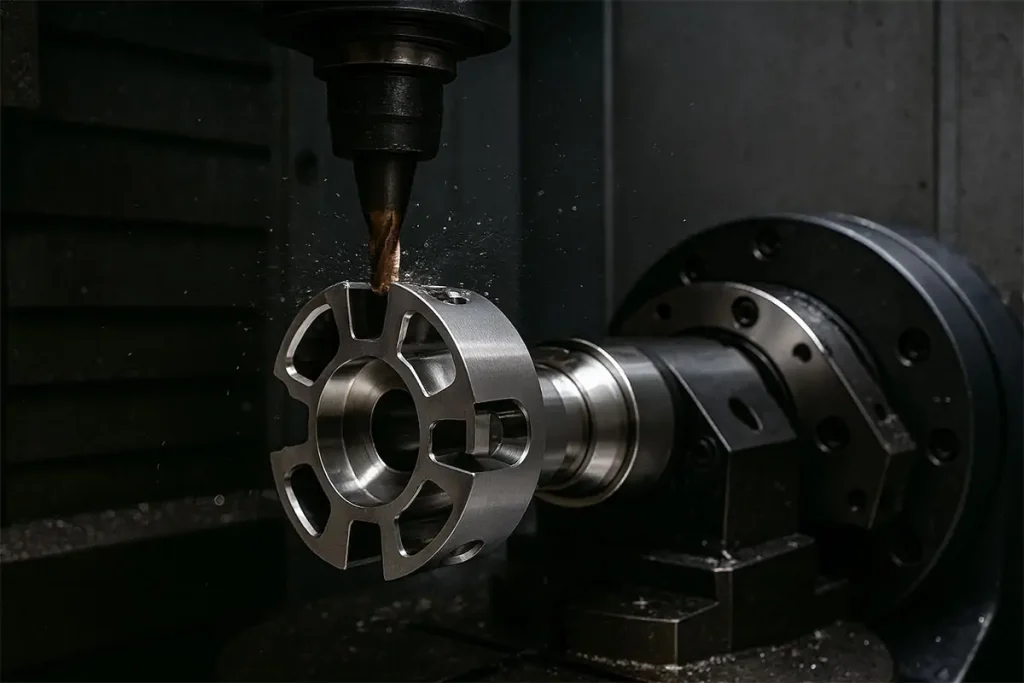
CNC rotary engraving is a precision machining process that creates permanent markings, text, logos, and identification features by removing material with a rotating cutting tool. This article explains how rotary engraving works, suitable materials, engraving tools, benefits, design considerations, industrial applications, and the differences between rotary engraving and laser engraving to help you choose the right marking solution for your parts.

Mesurer le pas d'un filetage à l'aide d'un calibre à filetage
Tous les articles, Connaissances en matière de fabrication

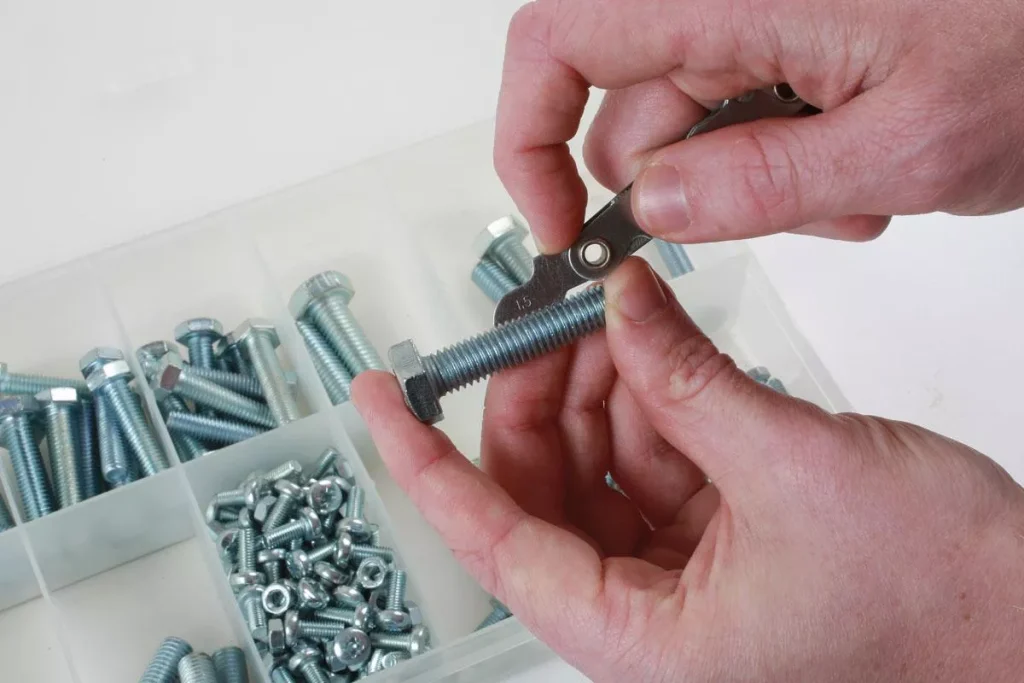
Comment mesurer le diamètre d'un filetage ?

Une mesure précise du filetage est essentielle pour identifier la spécification de filetage correcte et garantir la compatibilité des composants. Ce guide explique comment mesurer la taille d'un filetage en vérifiant les dimensions clés telles que le diamètre du filetage, le pas, le nombre de filets par pouce (TPI) et l'angle du filetage. Il présente les méthodes de mesure courantes à l'aide de jauges de pas de filetage, de pieds à coulisse, de règles et de techniques de comparaison de filetages, ainsi que les différences entre les normes de filetage métriques, UNC, UNF et de tuyauterie. En maîtrisant les méthodes de mesure et les pratiques d'inspection appropriées, les fabricants et les ingénieurs peuvent éviter les incompatibilités de filetage et garantir des performances d'assemblage fiables pour les composants mécaniques et les pièces usinées par CNC.

Fraisage avancé à 4 axes xtproto
Usinage CNC à 4 axes, Tous les articles

Tout ce qu'il faut savoir sur l'usinage CNC à 4 axes

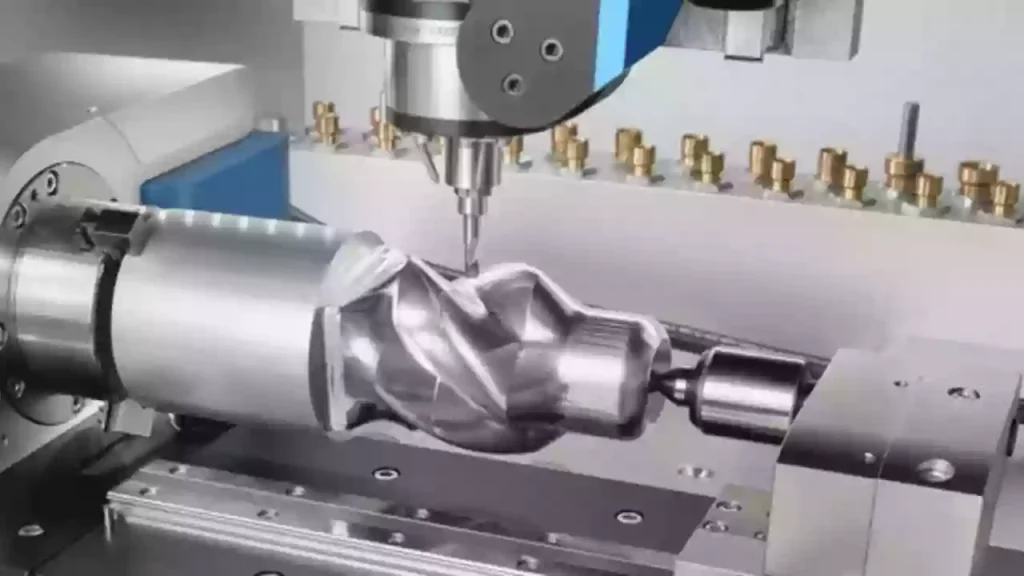
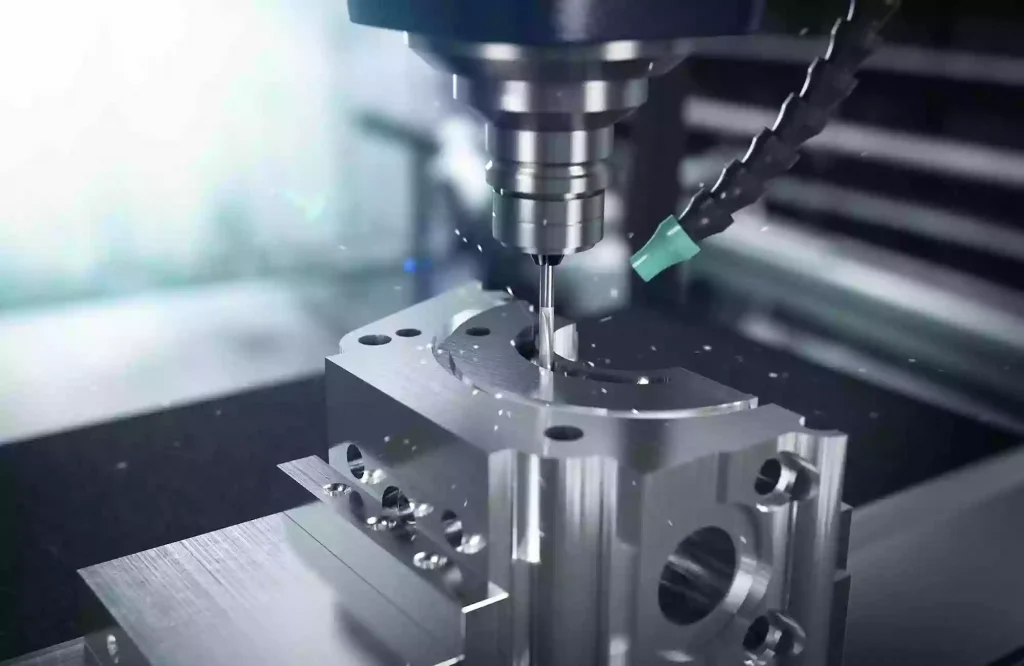
L'usinage CNC à 4 axes ajoute un axe rotatif à l'usinage CNC traditionnel, ce qui permet aux fabricants d'usiner plusieurs surfaces, des formes complexes et des géométries cylindriques avec moins de réglages. Ce guide explique tout ce qu'il faut savoir sur l'usinage CNC à 4 axes, notamment ses principes de fonctionnement, les configurations des machines, le processus d'usinage, les considérations de conception, les pièces adaptées, les applications, les facteurs de coût et les comparaisons avec l'usinage à 3 et 5 axes.

What is 32 Axis Machining
Tous les articles, 5-Axis Machining

Qu'est-ce que l'usinage 3+2 axes ?

3+2 axis machining (positional 5-axis) is the ultimate high-ROI sweet spot in modern manufacturing, blending the flexibility of 5-axis positioning with the high rigidity of standard 3-axis cutting. By tilting and mechanically locking the workpiece before machining, it enables “one-setup, multi-sided” production—eliminating cumulative setup errors and allowing the use of shorter, more rigid tools for superior surface finishes. While ideal for prismatic parts like manifolds and housings, its efficiency is further unlocked through smart DFM design, such as minimizing indexing planes and ensuring tool clearance. As your precision manufacturing partner, Xtmade leverages advanced multi-axis CNC centers and expert DFM support to maximize these 3+2 axis benefits, delivering complex, high-precision components with exceptional speed, accuracy, and cost-efficiency.

swiss machining1
Tous les articles, Swiss Machining

Comprendre l'usinage CNC sur machine suisse : principes fondamentaux, limites du procédé et spécifications de conception

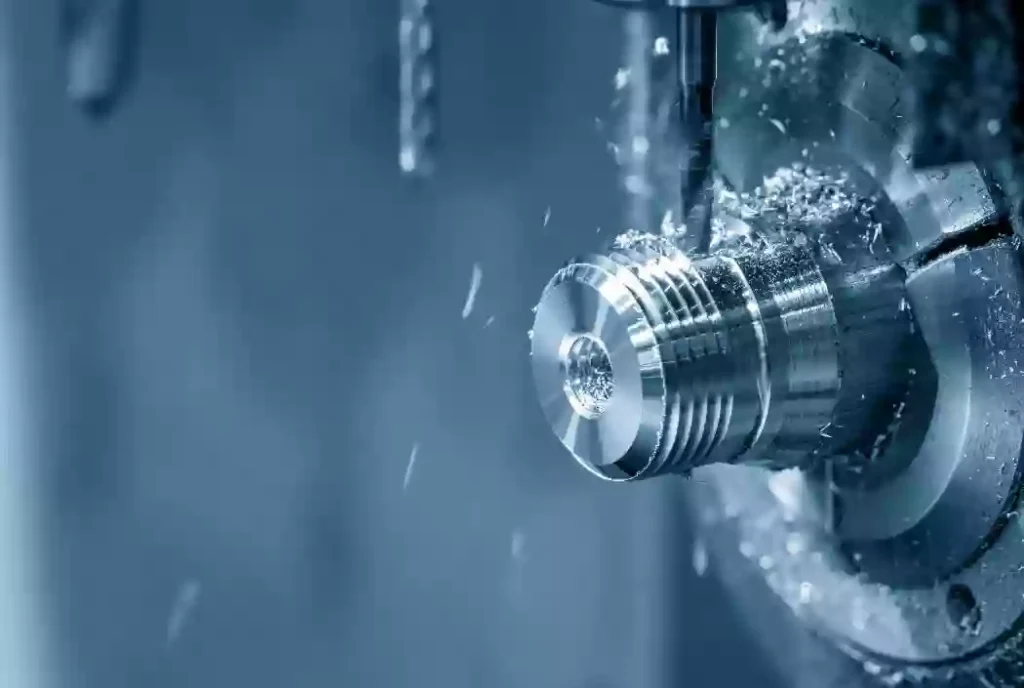
This technical paper analyzes CNC Swiss machining, a precision manufacturing method that eliminates workpiece deflection by synchronizing a sliding headstock with a fixed guide bushing. By keeping the cutting tool mere millimeters from the rigid support point, this architecture bypasses the structural bending moments of conventional lathes, enabling micro-tolerance production (±5 μm) and high length-to-diameter aspect ratios (>10:1) directly alongside multi-axis live tooling and sub-spindle processing.

However, the process introduces specific physical constraints, including a strict diameter ceiling (typically ≤38 mm), the requirement for premium centerless ground bar stock, and unavoidable material waste from unmachinable bar remnants. Maximizing its economic and manufacturing viability requires strict Design for Manufacturability (DFM) optimization—such as switching to “chucker mode” for short parts or providing clear gripping surfaces for the sub-spindle—making it the ideal high-volume automation pathway for complex components in the medical, electronics, and aerospace sectors.

CNC Surface Grinding
Tous les articles, Rectification CNC

Guide complet sur la rectification CNC : précision et mécanique

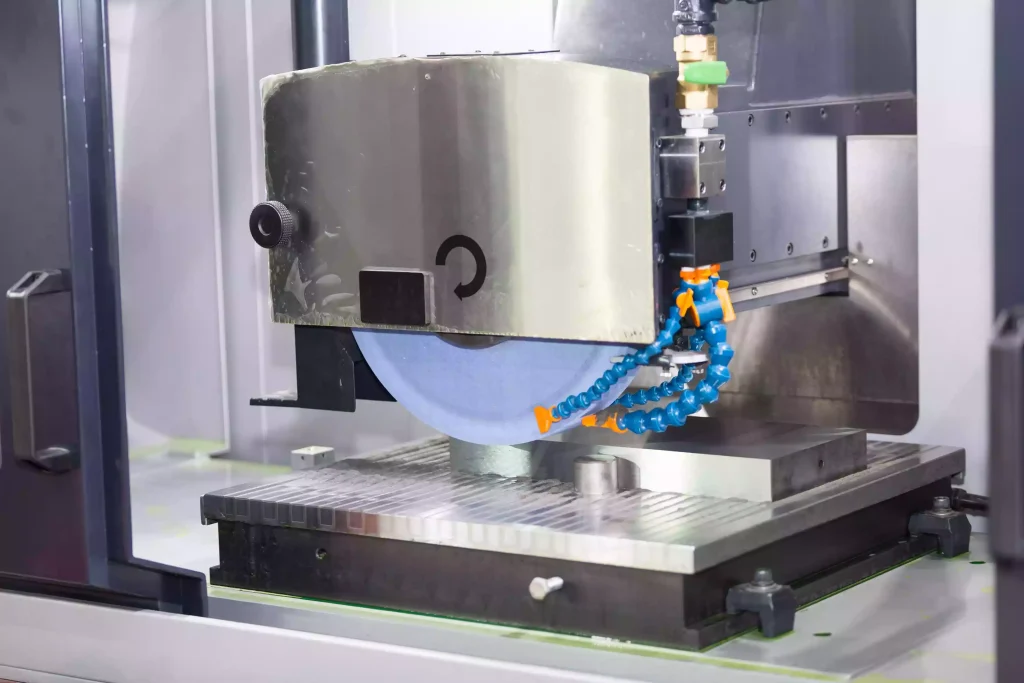
CNC grinding is a high-precision machining process that uses abrasive grinding wheels to remove material and achieve exceptionally tight tolerances, superior surface finishes, and excellent dimensional accuracy. Commonly used as a final finishing operation after milling, turning, and heat treatment, CNC grinding plays a critical role in manufacturing components for aerospace, medical, automotive, tooling, and other high-performance industries.

This guide explores how CNC grinding works, the different types of grinding processes, the key advantages of grinding hardened and difficult-to-machine materials, and how to select the right grinding wheel for specific applications. It also compares CNC grinding with milling and turning, explains their complementary roles in modern manufacturing, and highlights the industries that rely on grinding to produce reliable, high-precision components.

What is CNC Drilling
Tous les articles, Perçage CNC

Qu'est-ce que le perçage CNC ?

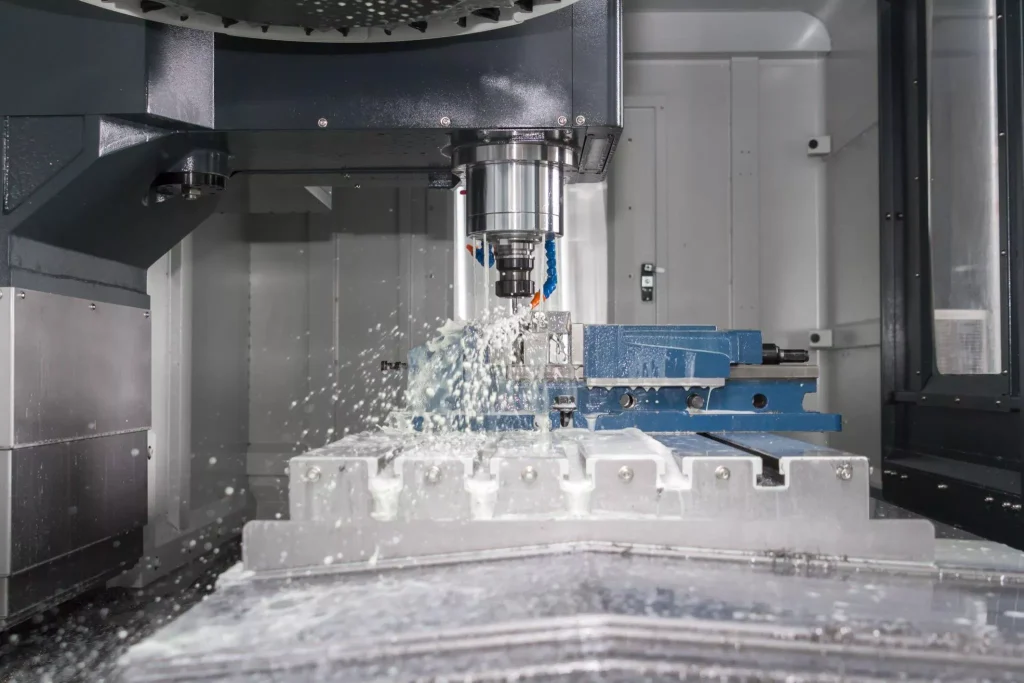
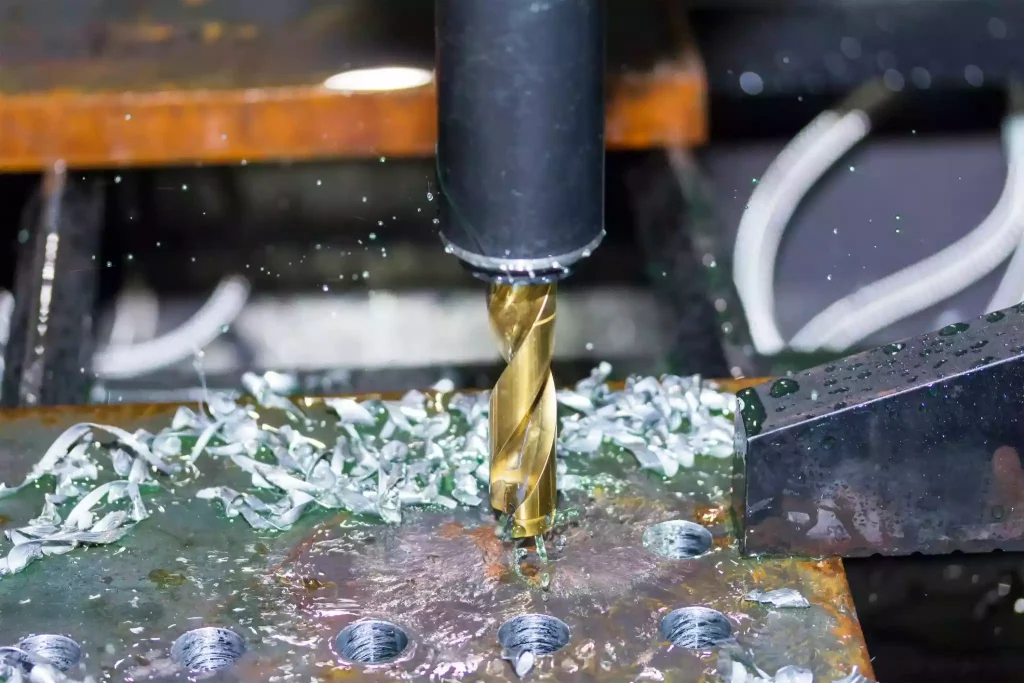
CNC drilling is a computer-controlled machining process used to create precise holes in various materials with high accuracy and repeatability. Compared to manual drilling, it eliminates human error and ensures consistent mass production through automated control of spindle speed, feed rate, and positioning via G-code.

The process starts with a CAD design, which is converted into machine instructions through CAM software. The CNC machine then automatically performs drilling operations including positioning, cutting, cooling, and chip removal. Advanced operations such as spot drilling, peck drilling, counterboring, countersinking, reaming, and tapping can also be performed depending on the application.

CNC drilling is widely used in aerospace, automotive, electronics, and medical industries for structural fastening holes, fluid channels, and PCB micro-holes. Key cost factors include material machinability, hole depth-to-diameter ratio, tolerance requirements, and production volume.

Design optimization (DFM) such as using standard hole sizes, limiting deep holes, and relaxing non-critical tolerances can significantly reduce manufacturing cost and improve efficiency.

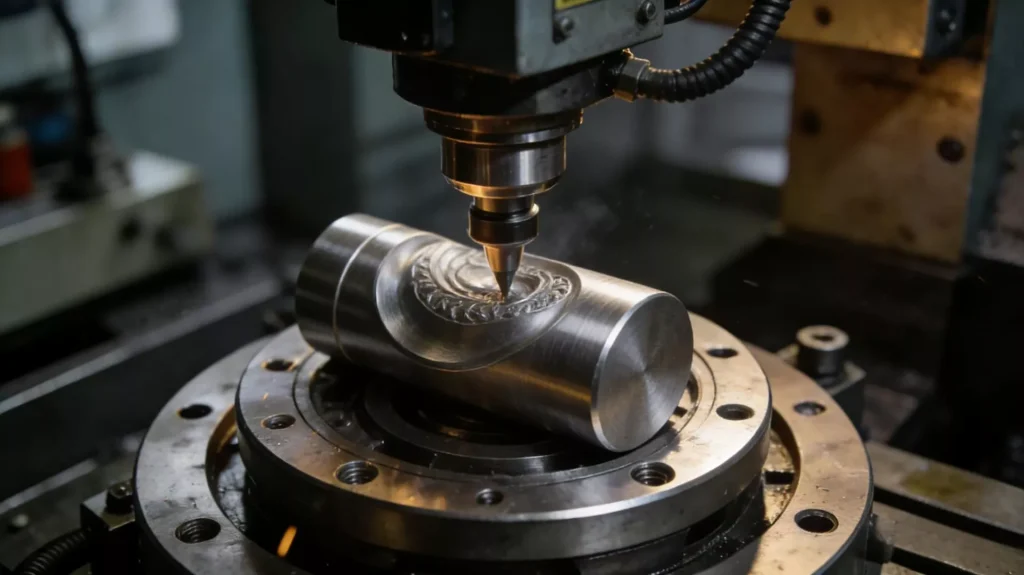
5 axis CNC Mill Machine scaled 1
Tous les articles, 5-Axis Machining

Le guide complet de l'usinage CNC 5 axes : de la cinématique à la modernisation de la chaîne d'approvisionnement

5-axis CNC machining adds two rotary axes to traditional 3-axis machining, allowing complex parts to be completed in a single setup with higher precision, better surface finish, and shorter lead times. It is widely used for aerospace, medical, mold, and high-performance industrial components.

The technology includes two main approaches:

* **3+2 machining** for angled faces and multi-sided parts.
* **Simultaneous 5-axis machining** for complex freeform surfaces like impellers and turbine blades.

Key advantages include reduced fixturing, lower setup time, improved tool life, and faster production. However, it also requires advanced CAM programming, RTCP control, collision simulation, and regular machine calibration.

Modern 5-axis manufacturing is increasingly combined with automation, robotics, adaptive control, and hybrid additive manufacturing. Platforms like [XTPROTO](https://www.xtproto.com?utm_source=chatgpt.com) help companies access advanced 5-axis production through automated quoting, DFM analysis, and distributed manufacturing networks without investing in expensive equipment.

Retour en haut