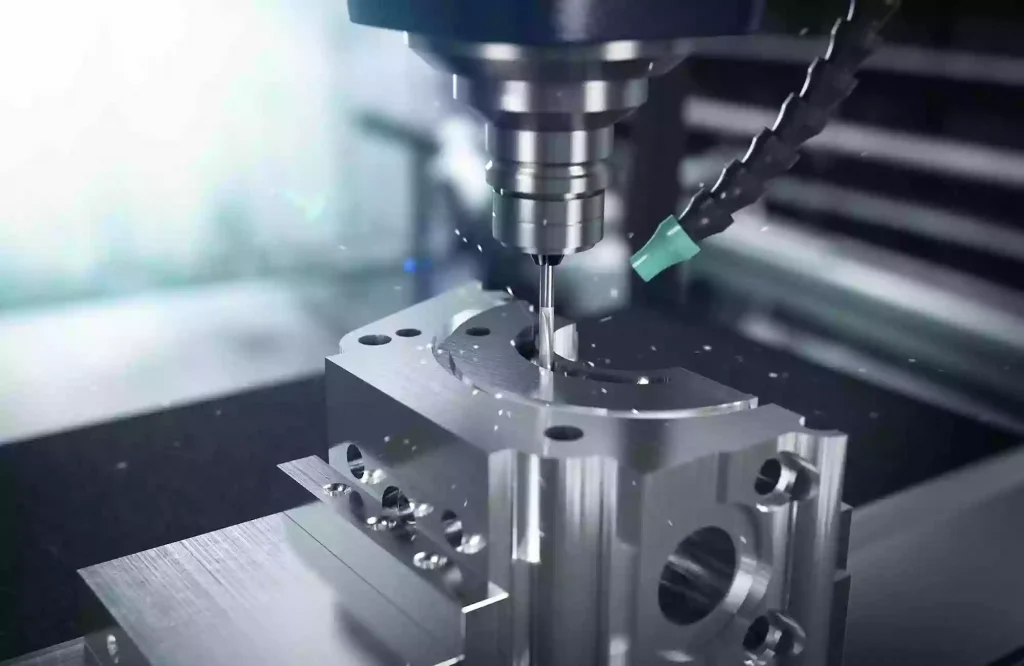
What Types of Materials Can Be Processed Using CNC Machines?
Lavorazione CNC can be used to produce components and products from a wide range of materials, including metals, plastics, composites, and specialty materials. The material selected for CNC machining affects cutting performance, tool wear, achievable tolerances, surface finish, production efficiency, and the properties of the finished product.
What types of materials can be processed using CNC machines? Common choices include aluminum, steel, stainless steel, brass, copper, titanium, engineering plastics, carbon fiber composites, and other CNC machinable materials. Each material behaves differently during milling, turning, drilling, and other CNC processes.
This guide covers the main materials for CNC machining, from commonly used metals and plastics to composites and more specialized options. For a broader overview of material properties, applications, and selection factors, see our CNC Machining Materials Guide.
What Materials Can Be CNC Machined?
CNC machines can process materials that can be effectively shaped through controlled cutting operations. The actual range depends on the CNC equipment, machining process, cutting tools, material properties, and required results.
The most common materials used in CNC machining include:
- Metals: Aluminum, steel, stainless steel, brass, copper, titanium, bronze, magnesium, and nickel alloys
- Plastics: ABS, POM, nylon, polycarbonate, PEEK, PTFE, PVC, acrylic, and other engineering plastics
- Composites: Carbon fiber, fiberglass, G10, FR4, and other reinforced materials
- Specialty materials: Tool steel, hardened steel, high-temperature alloys, and other difficult-to-machine materials
Among these options, metals and engineering plastics are especially common because they cover a broad range of mechanical, thermal, electrical, and chemical requirements.
Metal CNC Machining Materials
Metals are among the most widely used CNC machining materials because they offer a broad combination of strength, hardness, durability, machinability, and dimensional stability. Different metal grades can be selected according to the requirements of the application and machining process.
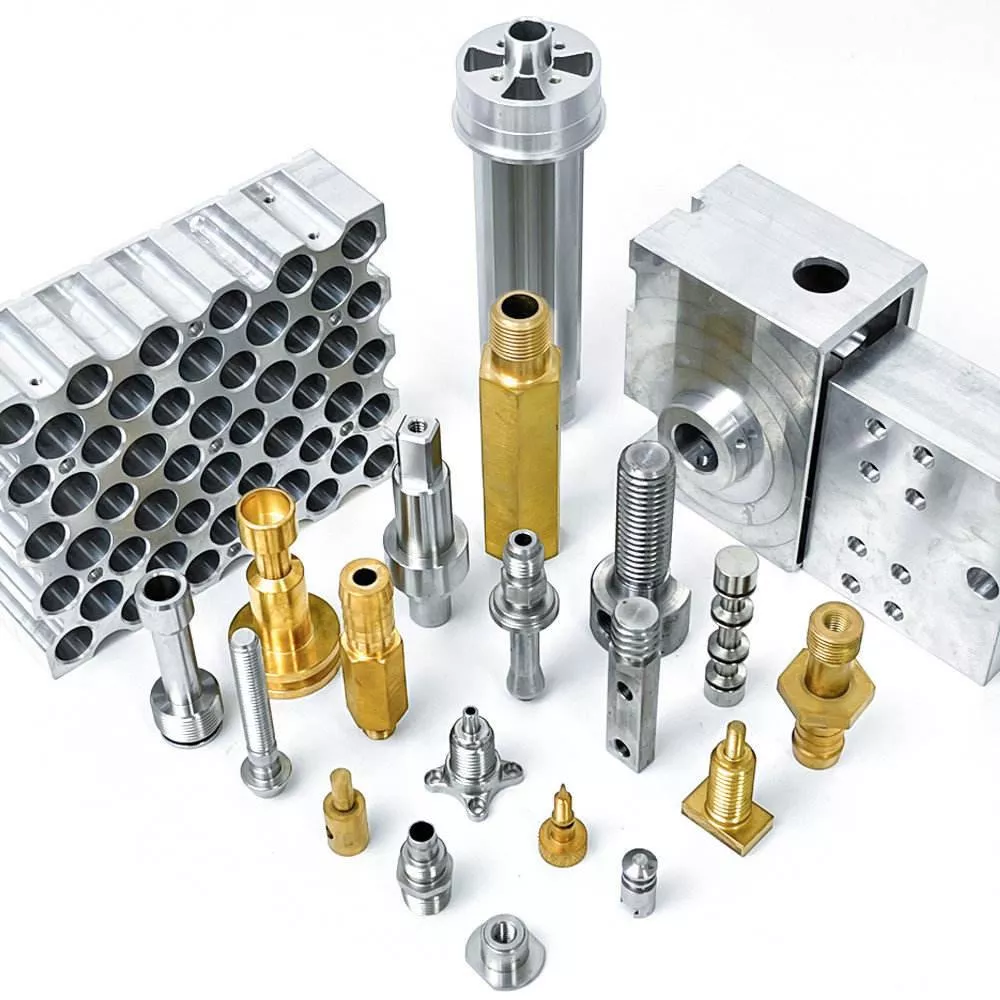
Alluminio
Aluminum is one of the most commonly machined metals because of its low density, good strength-to-weight ratio, corrosion resistance, and excellent machinability. It can be efficiently machined through milling, turning, drilling, and other CNC processes.
Common grades include 6061, 6063, and 7075.
Acciaio
Steel provides high strength, hardness, and wear resistance across a wide range of grades. Carbon steels and alloy steels are commonly machined for industrial, automotive, machinery, and structural applications.
Common grades include 1018, 1045, and 4140.
Acciaio inossidabile
Stainless steel combines mechanical strength with corrosion resistance. It is suitable for applications exposed to moisture, chemicals, cleaning processes, or demanding operating environments.
Common grades include 303, 304, 316, and 17-4 PH.
Ottone
Brass is known for excellent machinability, good corrosion resistance, and electrical conductivity. Its relatively easy cutting characteristics make it suitable for precision machining and applications involving fittings, electrical components, and hardware.
Rame
Copper provides excellent electrical and thermal conductivity. It is commonly selected for electrical and thermal applications, although its ductility and tendency to produce burrs can affect machining behavior.
Titanio
Titanium offers high strength at relatively low weight along with excellent corrosion resistance. However, its low thermal conductivity and tendency to retain heat in the cutting zone make it more challenging to machine than aluminum or brass.
Bronzo
Bronze provides good wear resistance, corrosion resistance, and low-friction characteristics. It is often used where sliding contact, durability, or resistance to repeated wear is required.
Magnesio
Magnesium alloys have very low density and good machinability. They can be considered for applications where reducing weight is a major design requirement.
Nickel Alloys
Nickel-based alloys retain strength and corrosion resistance under demanding conditions, including elevated temperatures. Their high strength and work-hardening characteristics can make them more difficult to machine.
For a more detailed breakdown of metal grades, characteristics, and applications, see Metal CNC Machining Materials.
Plastic CNC Machining Materials
Plastics for CNC machining are widely used when low weight, corrosion resistance, electrical insulation, low friction, or specific chemical and thermal properties are required. Compared with metals, plastics generally have lower density and hardness, but engineering plastics can provide excellent performance for specialized applications.
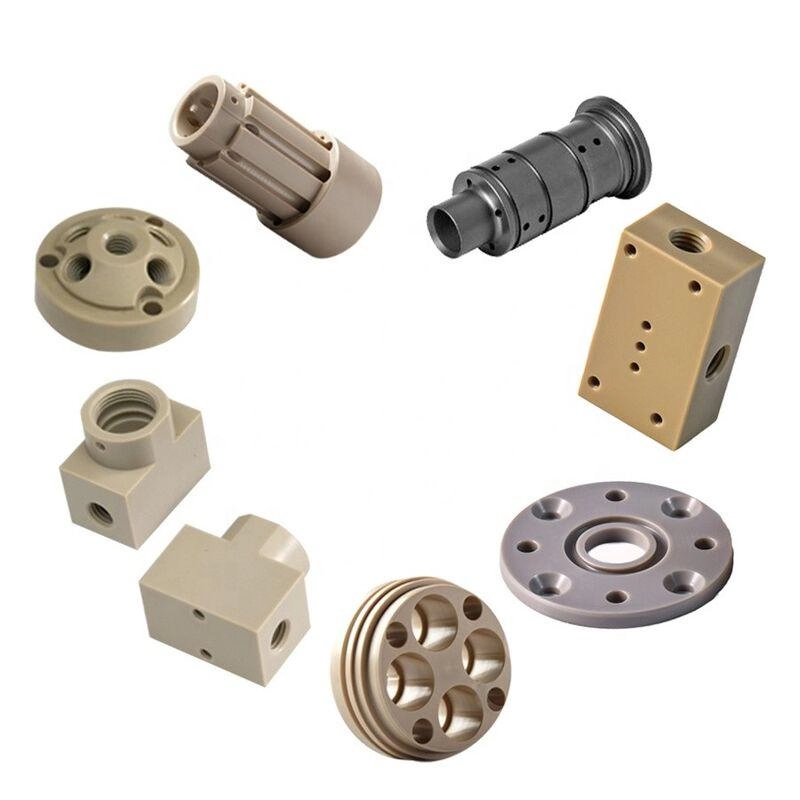
ABS
ABS is a versatile engineering plastic with good impact resistance, dimensional stability, and machinability. It is commonly used for prototypes, housings, enclosures, and general-purpose applications.
POM (Delrin)
POM provides good dimensional stability, low friction, wear resistance, and machinability. It is particularly useful for mechanical applications involving moving or sliding surfaces.
Nylon
Nylon combines toughness, wear resistance, and relatively low friction. It is commonly used for mechanical applications involving repeated movement and contact.
Policarbonato (PC)
Polycarbonate offers high impact resistance and good dimensional stability. It is suitable for applications where toughness is more important than hardness.
PEEK
PEEK is a high-performance engineering plastic with excellent temperature resistance, chemical resistance, wear resistance, and mechanical strength. It is used for demanding applications where conventional plastics may not provide sufficient performance.
PTFE
PTFE has extremely low friction and excellent chemical resistance. It is commonly considered for sliding applications and environments involving aggressive chemicals.
PVC
PVC provides good chemical resistance and electrical insulation. It can be CNC machined for various industrial and general-purpose applications.
PMMA (acrilico)
PMMA is valued for its optical clarity, weather resistance, and good machinability. It is often selected when transparency is required.
HDPE
HDPE is lightweight, chemically resistant, and relatively easy to machine. It is suitable for applications requiring low moisture absorption and chemical resistance.
Polipropilene (PP)
Polypropylene has low density, good chemical resistance, and good fatigue resistance. It is useful for lightweight applications and components exposed to repeated flexing.
UHMW-PE
UHMW-PE offers excellent abrasion resistance, low friction, and high impact resistance. It is commonly considered for applications involving continuous sliding or wear.
For a more detailed comparison of plastic CNC machining materials, see Plastic CNC Machining Materials.
Composite CNC Machining Materials
Composite materials combine two or more materials to achieve specific performance characteristics. In CNC machining, composites are often selected for their low weight, high stiffness, strength-to-weight ratio, electrical insulation, or dimensional stability.
Carbon Fiber Composites
Carbon fiber composites provide high stiffness and strength at relatively low weight. They are commonly used in aerospace, automotive, robotics, sporting equipment, and other weight-sensitive applications.
Fiberglass
Fiberglass-reinforced materials offer good strength, dimensional stability, corrosion resistance, and electrical insulation. They are used in structural, industrial, and electrical applications.
G10 and FR4
G10 and FR4 are glass-fiber-reinforced epoxy laminates with good mechanical strength, dimensional stability, and electrical insulation. CNC machining can produce holes, slots, pockets, and other precise features in these materials.
Other Reinforced Composites
Other composite materials can also be CNC machined when their structure and properties are compatible with the selected process. Tool selection and machining parameters need to account for the reinforcing fibers or fillers within the material.
Specialty CNC Machining Materials
Some applications require materials with properties beyond those offered by conventional metals and plastics. These specialty materials for CNC machining may be selected for extreme hardness, high-temperature performance, wear resistance, or demanding chemical environments.
Acciaio per utensili
Tool steels provide high hardness, toughness, and wear resistance. They are commonly used for demanding industrial applications where durability is critical.
Hardened Steel
Hardened steels offer increased hardness and wear resistance compared with their untreated condition. Their machinability depends on the specific grade, hardness level, geometry, and machining method.
High-Temperature Alloys
High-temperature alloys are designed to retain strength and stability at elevated temperatures. They can be used in demanding environments but generally require careful control of tooling and machining parameters.
Other Difficult-to-Machine Materials
Certain high-strength alloys and reinforced materials can generate high cutting forces, heat, or tool wear. These difficult-to-machine materials may require specialized cutting tools, cooling methods, and machining strategies.
How Material Properties Affect CNC Machining
Different CNC machinable materials respond differently to cutting forces, heat, and tooling. Understanding these differences is important for achieving consistent dimensions and surface quality.
Hardness
Hard materials generally require greater cutting forces and can accelerate tool wear. Hardened steels and some high-performance alloys may therefore require specialized tooling and machining strategies.
Lavorabilità
Machinability describes how easily a material can be cut while maintaining acceptable tool life, surface quality, and production efficiency. Aluminum and brass generally offer good machinability, while titanium and hardened materials can be more demanding.
Thermal Conductivity
Materials with low thermal conductivity tend to retain more heat near the cutting zone. This can influence cutting conditions, tool life, and dimensional stability.
Ductility
Highly ductile materials can produce long chips and may require appropriate chip-control strategies. Material ductility can also affect burr formation and surface quality.
Dimensional Stability
Thermal expansion, internal stresses, moisture absorption, and other material characteristics can influence dimensional accuracy. These factors become particularly important when machining thin sections or components with tight tolerances.
How to Choose a Material for CNC Machining
Choosing among different materials for CNC machining requires more than comparing material prices. The material should meet the functional requirements of the finished product while remaining practical to machine.
Consider:
- Strength: Required load-bearing capacity and mechanical performance
- Weight: Whether low density or a high strength-to-weight ratio is important
- Temperature: Expected operating and processing temperatures
- Corrosion resistance: Exposure to moisture, chemicals, or corrosive environments
- Wear resistance: Friction, abrasion, and repeated contact
- Machinability: Cutting performance, tool wear, and machining efficiency
- Finitura superficiale: Required appearance and functional surface characteristics
- Dimensional stability: Expected behavior during and after machining
- Cost and availability: Material price, grade availability, and production requirements
The most suitable material is therefore the one that provides the required performance without creating unnecessary machining difficulty or cost.
CNC Machining Materials Comparison
The following table provides a general comparison of commonly used CNC machining materials.
| Materiale | Tipo di materiale | Peso | Forza | Lavorabilità | Key Advantage |
| Alluminio | Metal | Basso | Medium–High | Eccellente | Lightweight and easy to machine |
| Acciaio | Metal | Medium–High | Alto | Bene | Strength and wear resistance |
| Acciaio inossidabile | Metal | Medium–High | Alto | Moderate | Resistenza alla corrosione |
| Ottone | Metal | Medio | Medio | Eccellente | Ottima lavorabilità |
| Rame | Metal | Medio | Medio | Moderate | Electrical and thermal conductivity |
| Titanio | Metal | Basso | Molto alto | Difficult | High strength-to-weight ratio |
| ABS | Plastica | Very Low | Medio | Eccellente | Impact resistance |
| POM | Plastica | Very Low | Medio | Eccellente | Low friction and dimensional stability |
| Nylon | Plastica | Very Low | Medio | Bene | Toughness and wear resistance |
| PEEK | Plastica | Very Low | Alto | Moderate | High-performance properties |
| Carbon Fiber Composite | Composite | Very Low | Alto | Moderate | High stiffness-to-weight ratio |
Material properties can vary between grades, so this comparison should be used as a general reference rather than a substitute for grade-specific data.
Domande frequenti
What materials can be CNC machined?
CNC machines can process a wide range of metals, plastics, composites, and specialty materials. Common choices include aluminum, steel, stainless steel, brass, copper, titanium, ABS, POM, nylon, PEEK, and carbon fiber composites.
What materials can CNC machines cut?
CNC machines can cut and machine many metals, plastics, composites, and other suitable materials. The actual material range depends on the CNC process, machine capability, cutting tools, material properties, and required result.
What are the most common CNC machining materials?
Aluminum, steel, stainless steel, brass, and engineering plastics are among the most commonly used materials. Their combination of availability, machinability, cost, and performance makes them suitable for a wide range of applications.
Can CNC machines process plastic?
Yes. Many engineering plastics can be CNC machined, including ABS, POM, nylon, polycarbonate, PEEK, PTFE, PVC, acrylic, HDPE, and polypropylene.
Can CNC machines process composites?
Yes. Carbon fiber composites, fiberglass, G10, and FR4 can be CNC machined. Because reinforcing fibers can increase tool wear and affect edge quality, the tooling and machining conditions need to match the specific composite.
What is the easiest material to CNC machine?
Titanium, nickel-based alloys, hardened steels, and some reinforced composites can be more difficult to machine. High hardness, work hardening, low thermal conductivity, or abrasive reinforcement can increase cutting forces and tool wear.
Which materials are difficult to CNC machine?
Titanium, nickel-based alloys, hardened steels, and some reinforced composites can be more difficult to machine. High hardness, work hardening, low thermal conductivity, or abrasive reinforcement can increase cutting forces and tool wear.
Conclusione
CNC machining can process a broad range of materials, including metals, plastics, composites, and specialty materials. Aluminum, steel, stainless steel, brass, copper, titanium, engineering plastics, and reinforced composites are among the many options available for different manufacturing requirements.
Understanding what materials can be CNC machined helps narrow down suitable choices before production. The final material should provide the required mechanical and environmental performance while also offering appropriate machinability, availability, and cost for the intended application.