Nome dell'autore: stoppino

choosing the right metal for cnc machining
Tutti gli articoli, Blog sui materiali per la lavorazione CNC

Easy-to-Machine Metals for CNC Machining

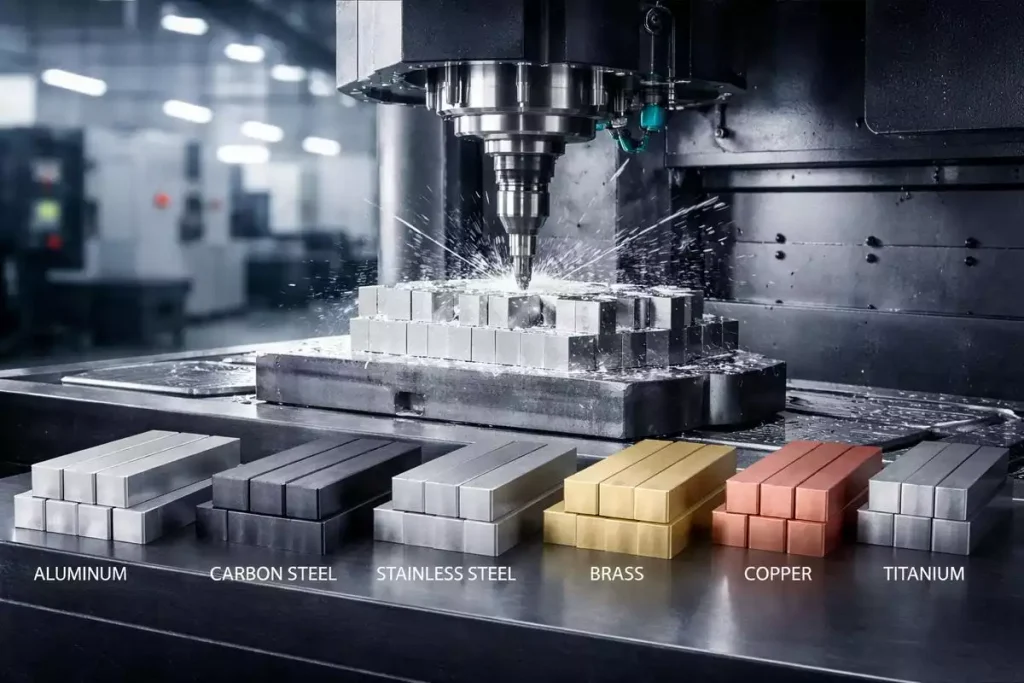
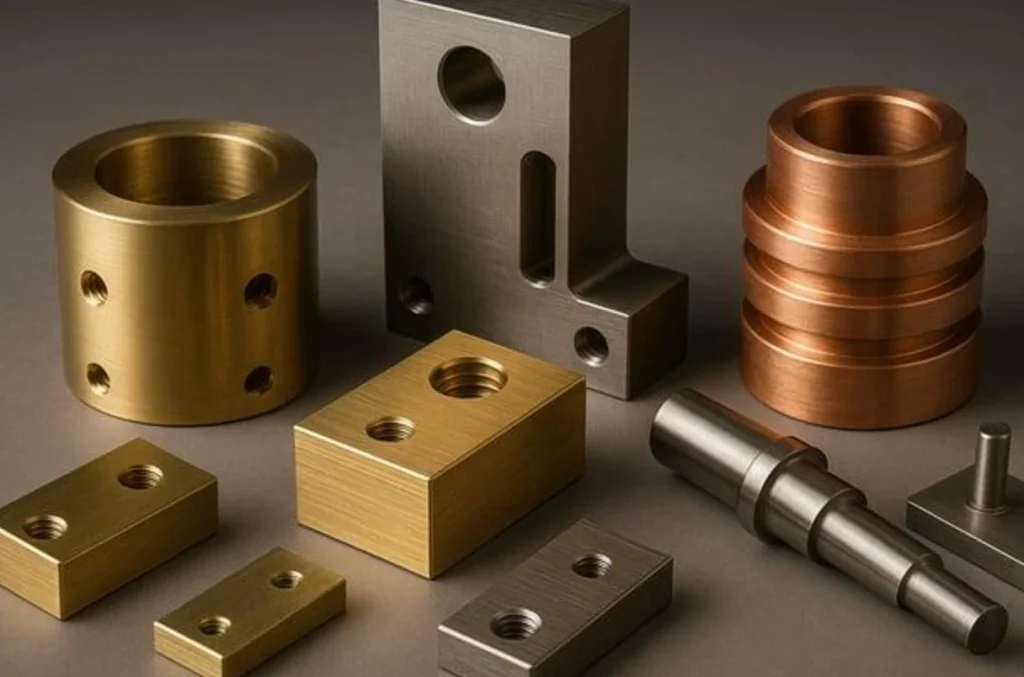
Easily machinable metals—such as aluminum, brass, free-cutting steel, 1018 steel, 303 stainless steel, and copper—offer excellent machining characteristics, making them ideal for efficient CNC production. This article outlines the machinability, common CNC processes, production advantages, application areas, and DFM (Design for Manufacturability) considerations for these materials.
Kovar Alloy Machining 6 7
Tutti gli articoli, Blog sui materiali per la lavorazione CNC

CNC Machining Material Selection: How to Choose the Right Material

This article outlines how to select suitable materials for CNC machining based on part requirements and manufacturing considerations. It covers key factors such as mechanical properties, operating temperature, corrosion resistance, machinability, dimensional stability, surface finish, weight, material availability, and total cost. Additionally, the article provides a step-by-step selection process, application-based recommendations, comparative material analysis, common pitfalls, and a practical checklist, aiming to help manufacturers choose materials that balance performance, manufacturability, and cost.

How to Choose CNC Cutting Tools for Different Materials
Blog sui materiali per la lavorazione CNC

How to Choose CNC Cutting Tools for Different Materials

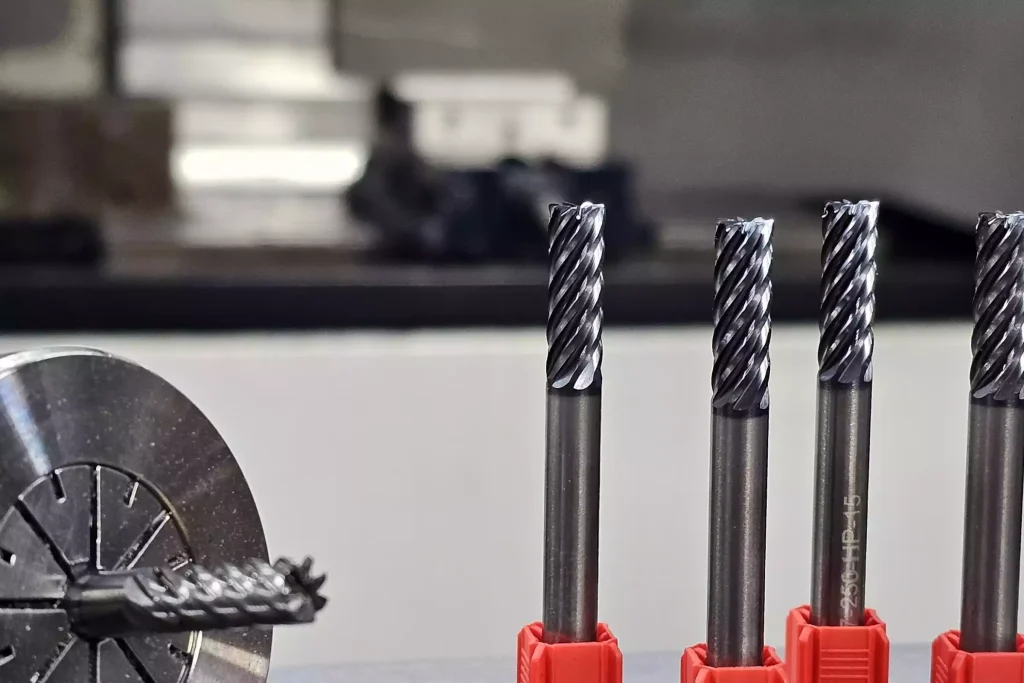
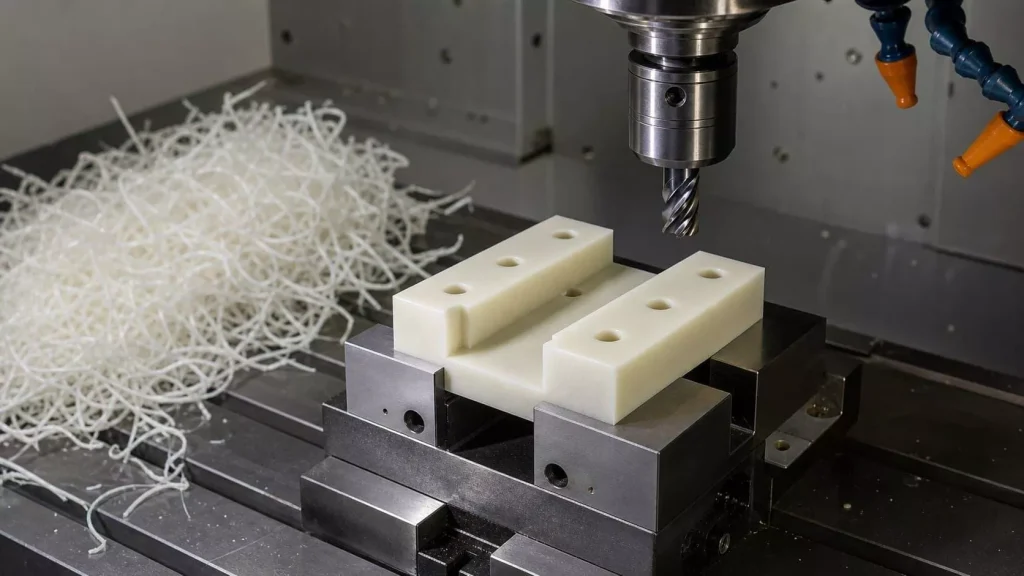
This guide outlines how to select CNC cutting tools for materials such as aluminum, stainless steel, steel, titanium alloys, copper, brass, and engineering plastics. It covers tool materials—including high-speed steel (HSS), carbide, ceramics, cubic boron nitride (CBN), and polycrystalline diamond (PCD)—as well as factors such as tool coatings, flute design, cutting edge geometry, tool dimensions, and machine operating conditions.

properties of CNC machining materials
Blog sui materiali per la lavorazione CNC

CNC Material Properties: Key Characteristics for CNC Machining

The properties of CNC machining materials directly affect machining performance and the functional properties of finished parts. This guide describes the key mechanical, thermal, physical, chemical, and machinability properties of CNC machining materials, including strength, hardness, toughness, ductility, thermal conductivity, coefficient of thermal expansion, corrosion resistance, and machinability. Furthermore, this guide explores how material composition and microstructure affect cutting forces, tool wear, surface finish, dimensional accuracy, machining efficiency, and the performance of finished parts.

Galleria dei materiali per la lavorazione CNC
Tutti gli articoli, Blog sui materiali per la lavorazione CNC

Materiali per la lavorazione CNC: tipi, proprietà, applicazioni e guida alla scelta

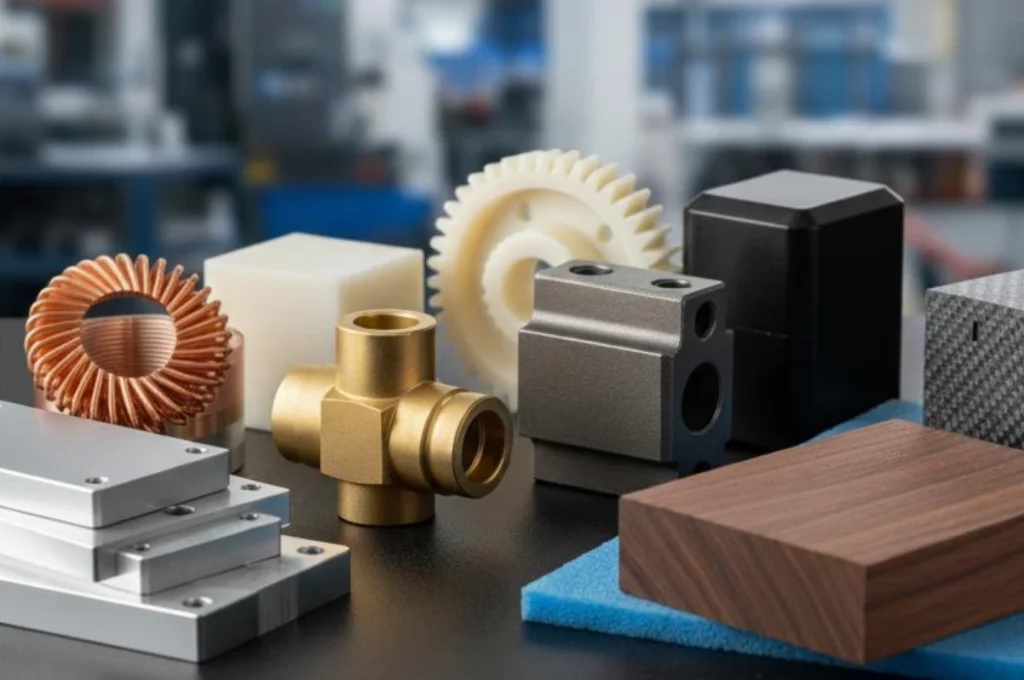
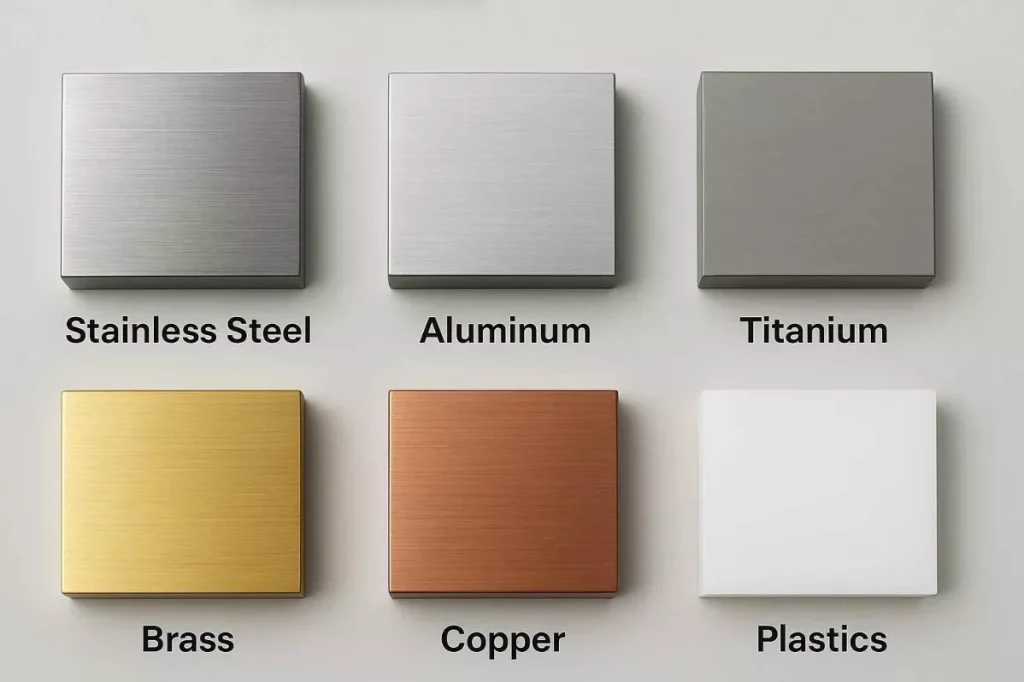
CNC machining materials include a wide range of metals, plastics, composites, and specialty materials, each offering different properties, machining characteristics, and application benefits. This guide covers the main types of CNC materials, their key properties, common applications, material grades and standards, and their suitability for different machining processes. It also explains how factors such as strength, weight, corrosion resistance, temperature resistance, machinability, surface finish, and cost affect material selection, helping you choose the right material for custom CNC machined components.

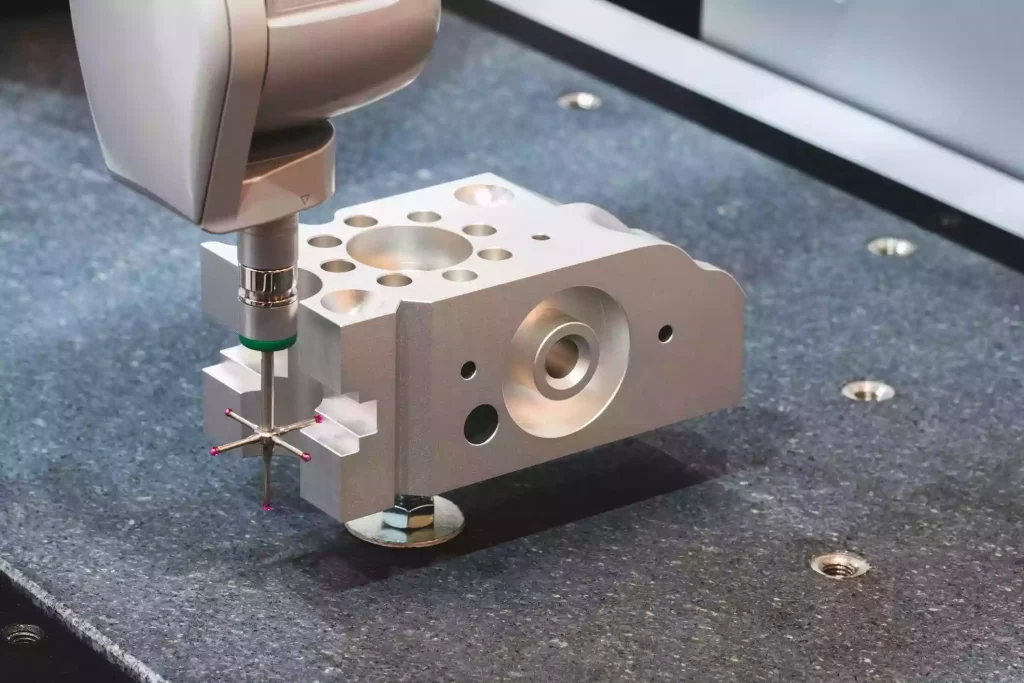
Controllo delle tolleranze nella lavorazione CNC con CMM 1
Blog sulle conoscenze nel settore manifatturiero, Tutti gli articoli

Come progettare componenti per la lavorazione CNC: linee guida complete sul DFM per gli ingegneri

Questa guida illustra i principi fondamentali della progettazione per la lavorazione CNC, tra cui l’accessibilità degli utensili, lo spessore delle pareti, la progettazione di fori e filettature, i raggi degli angoli interni, le tolleranze di lavorazione CNC, i disegni tecnici e le pratiche di progettazione orientata alla produzione (DFM). Ottimizzando la progettazione dei componenti prima della produzione, gli ingegneri possono migliorare la producibilità, ridurre i costi di lavorazione, abbreviare i tempi di consegna e creare assiemi CNC affidabili e pronti per la produzione.

Torna in alto