Todos los artículos

High precision CNC milling of aluminum alloy parts
Todos los artículos, Fresado CNC

La guía definitiva sobre el fresado CNC: principios, maquinaria y diseño para el éxito

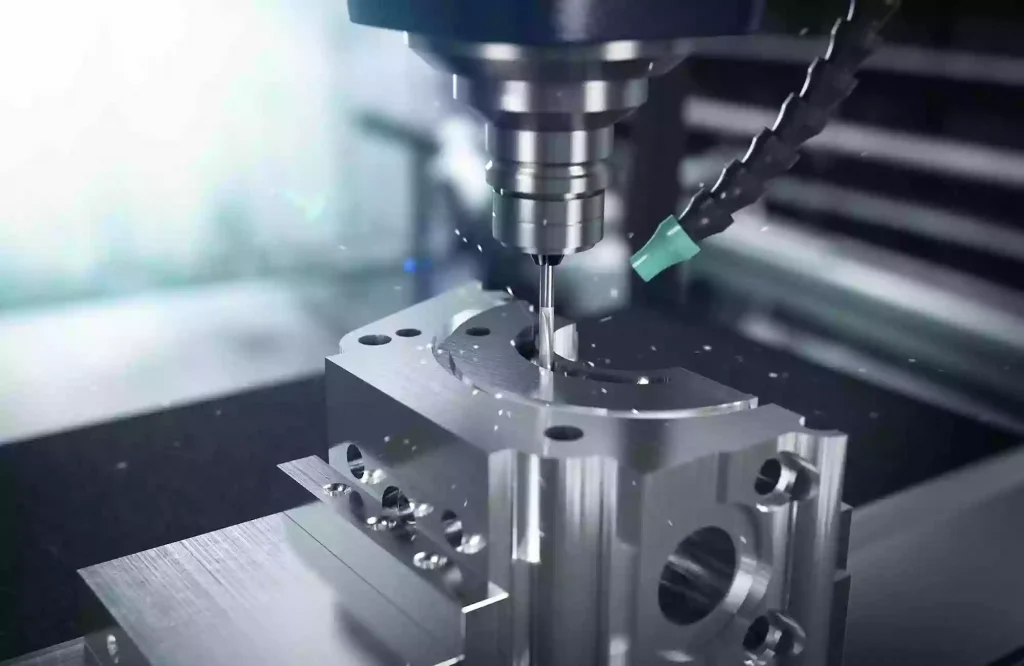
This guide explores the fundamentals of CNC milling, including how the process works, the differences between 3-axis to 5-axis machining, common machine types, cutting tools, and material selection. It also covers surface finishing methods, key DFM principles for reducing manufacturing costs, and emerging trends such as AI-driven CAM programming and automated lights-out manufacturing.

Servicio de torneado CNC 02
Todos los artículos, Torneado CNC

Guía sobre el torneado CNC: proceso, máquinas, materiales, aplicaciones y diseño

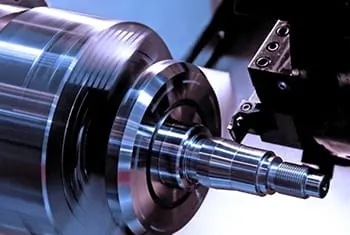
CNC turning is a highly efficient machining process used to produce precision rotational parts by rotating the workpiece while a stationary cutting tool removes material. It is widely used for cylindrical components such as shafts, bushings, and connectors due to its high accuracy, fast cycle time, and excellent concentricity control.

The process includes operations like turning, boring, threading, and parting, and is compatible with materials such as aluminum, stainless steel, brass, carbon steel, and engineering plastics. Key factors affecting accuracy include spindle runout, tool deflection, thermal stability, and fixturing rigidity.

CNC turning is cost-efficient for high-volume production but requires careful design (DFM), especially for wall thickness, corner radii, and thread features. Compared to CNC milling, turning is more suitable for axisymmetric parts and offers better efficiency and consistency.

It remains a core manufacturing process across industries such as automotive, aerospace, medical, robotics, and fluid systems, and is evolving with automation, hybrid machining, and smart manufacturing technologies.

Mecanizado CNC
Todos los artículos, Conocimientos sobre fabricación

La economía de la fabricación de precisión: análisis de la estructura de costes del mecanizado CNC

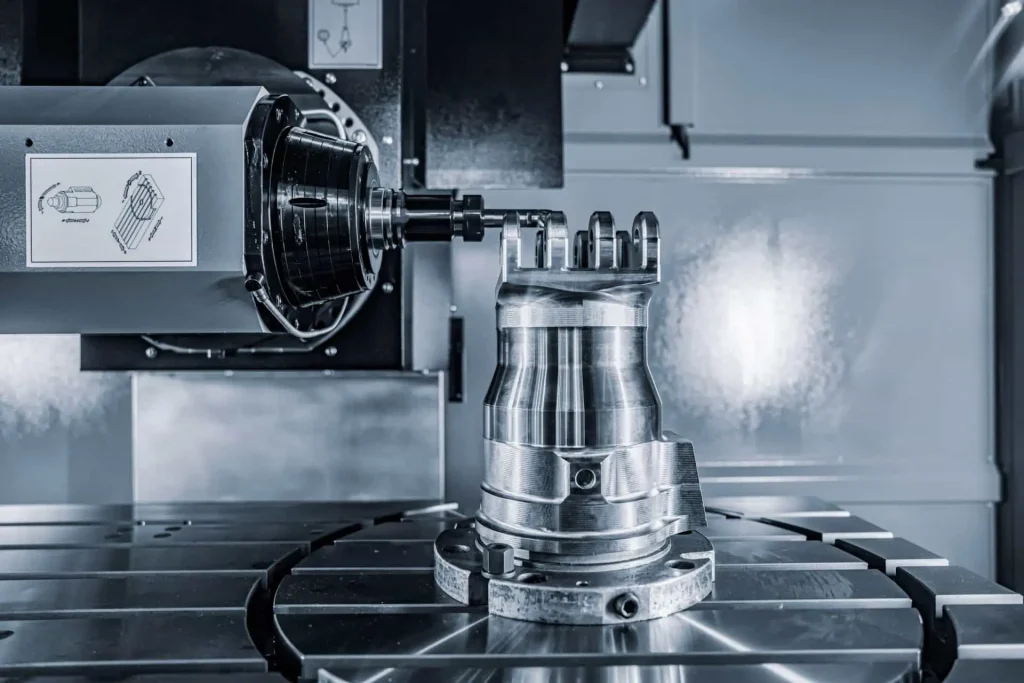
¿Por qué varían tanto los presupuestos de mecanizado CNC para un mismo archivo CAD? Esta guía exhaustiva desentraña los aspectos económicos ocultos de la fabricación de precisión. Analizamos los principales factores que influyen en los costes, incluida la relación exponencial entre la tolerancia y el precio, el impacto de las geometrías de alta relación de aspecto en la física del mecanizado y la relación “Buy-to-Fly” de las materias primas. Descubre cómo aplicar los principios del “Diseño para el coste” (DFC) para optimizar tu presupuesto de producción y encontrar el «punto óptimo» en el que la precisión funcional se une a la eficiencia de fabricación.

Scroll al inicio